Will it snow this Christmas? Most of us – especially those with children in the house – look hopefully for the glittering white to come and throw its blanket over the difficulties of the year so we can look with new eyes through the refracted light at the promise of the crib. We hope the snow will wash us clean so we can start again. We ask so much from the season but we often feel that in the end it has asked too much of us.
In James Joyce’s story “The Dead”, Gabriel Conroy and his wife Gretta arrive at the family Christmas party just as the snow begins to drift outside. Snow gathers in the boots of each guest, to be beaten off at the door. Gabriel does his best to be good to everyone he talks to but somehow everything he says is misinterpreted. A series of snubs and petty cruelties gather on him. Never mind – this year, Gabriel and Gretta will stay at a city hotel after the party and rekindle the passion of their early marriage. He can accept all manner of slights at the family party if the night is to end in sweetness. But when they are finally alone, Gretta is distracted by memories of a boy who loved her many years ago, a delicate boy who died on a cold night like this. Gabriel comes to realise that his wife no longer loves him, that perhaps she could never love him as she did this long-dead boy and that he, and Gretta, and all the old relations at the party will soon be dead themselves, and none of them ever fully satisfied in their lives. The snow begins to fall in an earnest, taping at the hotel window pane. All over Ireland the snow falls on the living and the dead until in Gabriel’s mind there is little to distinguish the one from the other.
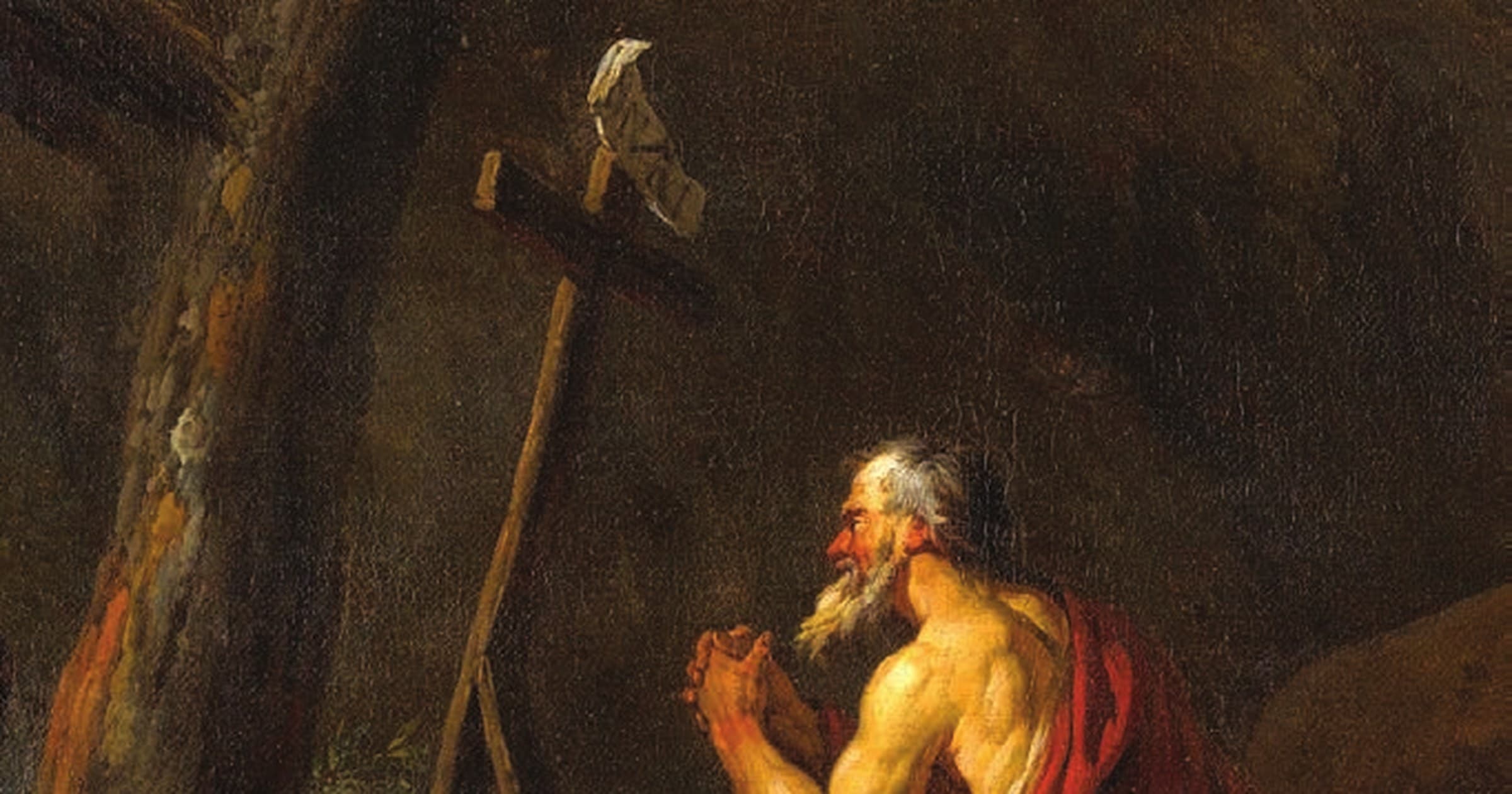
We have become so accustomed to thinking of Christmas as a festival of joy that the inevitable rubs and annoyances of family gatherings are best ignored as though a contradiction. But Christmas has always been a time for gathering in good things and for sorrow. Medieval calendars knew the coldest month was the most hygienic time for slaughtering animals: December was often depicted by the agricultural art of draining blood from beasts hung up in the snow as though they were Christ crucified. The calendars knew that Christmas contains the promise of Easter just as winter holds inside it the knowledge of spring. In the days before Christmastide, we see the building up of Feasts that combine death with life. The Immaculate Conception and the Slaughter of the Innocents. The Nativity and Stephen, the first martyr. Perhaps we ought to remember that the crib brings more than joy.
“It’s going to snow for Christmas,” shouts Mrs Marsh, the embittered suburban grandmother in Alice Thomas Ellis’ profound and hilariously funny 1980 novel The Birds of the Air. There’s no need for Mrs Marsh to shout: the house is so small she could whisper and still be heard through the crashing of dishes and preparing of food. In the room next door is Mary, Mrs Marsh’s daughter, as she sits in her invalid’s chair, staring out at the bleak midwinter garden, looking for the snow. Mary has had a breakdown after her only child died young. She’s been forced to take refuge in her mother’s suffocating, well-ordered house. A bedroom has been made for her in the dining room so this year Christmas will be in the servants’ hall. Around the table in that room come the family all eager to smile and get on together as they serve the turkey and serve up those closer quarters and enforced cheerfulness.
At first, the surface proceedings of the Marsh family pass unhindered. But beneath the stocking of the tablecloths lurks the sullen figure of a quiet teenager who rather be prowling the estate, off London, a cadalous spontaneous youth, a lonely retired policeman, and a precocious child of the household, proving himself too clever for his own good. In this household of several generations – the poor and the not-so-poor; the very old and the very young; strangers all over grown-ups – all of them locked in the silent battle of a season that makes strange, hidden battle lines of loyalty that draw together those who abide by the same social codes against those who observe some other set of codes. There’s too much food of the kind no one wants to eat and they drink too much.
The sharp-elbowed Mrs Marsh believes only she can keep the holiday from sliding into the kind of horror the reader knows is inevitable. Normally Mrs Marsh loves the bustle and dream of Christmas catering, but this year, filled with drink and red-faced from basting the turkey, even she musters a desperate prayer: “Forgive us our Christmases as we forgive those who Christmas against us?” Among the few of those still believing in the promise of the day, Mary sits resplendent in her grief, looking for the snow to fall. She looks for her dead child in the gathering whiteness. Her lost baby is enshrined against her awareness like the crib is enshrined against the Advent darkness.
Christmas is no longer necessary for Mary. For her, only Easter deserves the “roll of drums, the fanfare, the held breath”, when God’s greatest and most unanswerable feat was to bring her dead child back to her. It is her son who offers the ill-timed dinner toast to God (it’s his birthday after all) when Mrs Marsh would prefer to keep everyone focused on the Queen’s speech.
The snow falls then melts. Then, just as everyone is due to leave, it begins to fall in earnest. Great drifts of white surround the house and bury the roads. Trapped together, the Marsh family must fight it out. Only Mary, her brother and sister attuned to the presence of the divine, see through the cold, mute, angelic descent of the snow and think its time to accept the compromise hidden in the crib.
The child lies swaddled in the black midwinter, bearing all our hopes, and we gather around it, willing it to live and thrive, holding off against the Cross, squabbling and ill-tempered in our cramped houses. Charity prohibits us from speaking too openly the difficulties of this particular season but novels can do that for us.
Read The Dead and The Birds of the Air and your own Christmas will shine in comparison, a time of merriment and love.


.png)