


Are you baffled by the modern world and its alarming transformation of values? I certainly am, but now I’m reading a book which explains so much of what is going on. Douglas Murray’s The Madness of Crowds: Gender, Race and Identity was published to acclaim last year, and this autumn it came out in paperback. It really clarifies so much of the change we have experienced – implying, “a new metaphysics, a new religion”, in his words. Social values have altered throughout history, but what is striking about the past 20 years or so is the unprecedented speed of change. The impact of the printing machine, says Murray, is but a footnote in comparison to the shattering influence of the internet and social media, which has so dramatically accelerated and transformed all values. Take the example of gay marriage. The idea of homosexual marriage was first mooted in about 1995. But once it got traction, it became, almost overnight, an orthodoxy, endorsed in every significant quarter. Politicians like Nicky Morgan who had voted against equalising the age of consent between straight and gay people, suddenly embraced gay rights. Indeed, tabloid newspapers which had railed, rather nastily, against gay men in church life, with words like “pulpit pooftahs”, switched to atttacking anyone as a “homophobe” who wasn’t flying the gay pride flag. I saw this myself in the Irish same-sex marriage referendum of 2015 (pictured). Anyone who had doubts about changing a matrimonial (and dynastic) arrangement which had existed for millenia, was accused of being a “homophobe”. As Murray – himself a gay man – says, big social changes need time for reflection, yet everything now is rushed through instantly. His analysis of gay couples “becoming parents” is serious and thoughtful: there are genetic and ethical complications. Among the changes we have been asked to accept is that biology doesn’t meaningfully exist. A man can become a woman, or a woman, a man, and anyone who challenges this is “transphobic”. Many of these new orthodoxies are full of contradictions. But if we try to explore them we’ll be accused of “hate speech”. Murray shows how these new orthodoxies began with cultural Marxism in the universities (and Foucault’s “post-truth” theories) and then spread immediately through the internet. His book is a brilliant exposé of so many of the falsehoods and fictions on a range of issues, including feminism. Perhaps in the aftermath of Covid, and of terrible events like the slaying of French schoolteacher Samuel Paty, we will come to see some of the dangers of our instant technology.
12:00 AM
In the internet age, long-held social values can change overnight
Mary Kenny


4 min read



Already a subscriber? Sign in
5freearticles every month
Continue reading with a free account. No card needed.
- Five free articles every thirty days, on any device you sign in on
- The Catholic Herald newsletter, every morning
- Subscribe whenever you like for everything: every article and the magazine
Related articles
 Newsroom
Church leaders urge Drumcree dialogue: ‘Too much is at stake’
The Catholic and Church of Ireland Archbishops of Armagh have urged a renewed commitment to peace and reconciliation amid the Drumcree stand-off
Corrie Douglas-Young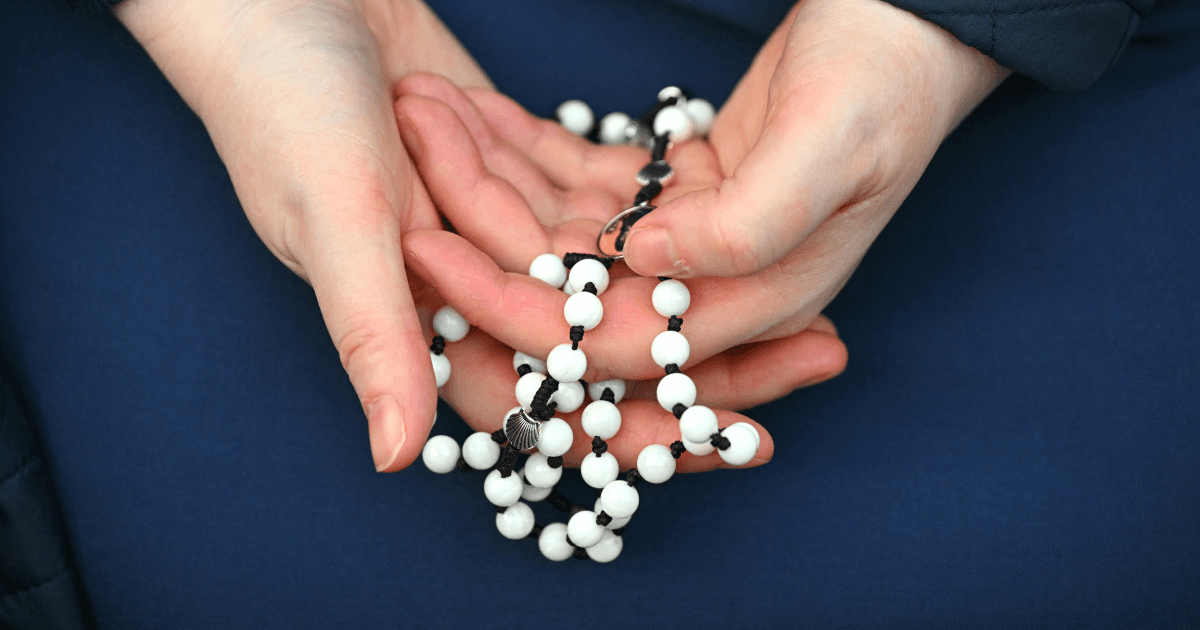 Newsroom
Thousands of Irish children to join global Rosary campaign
Corrie Douglas-Young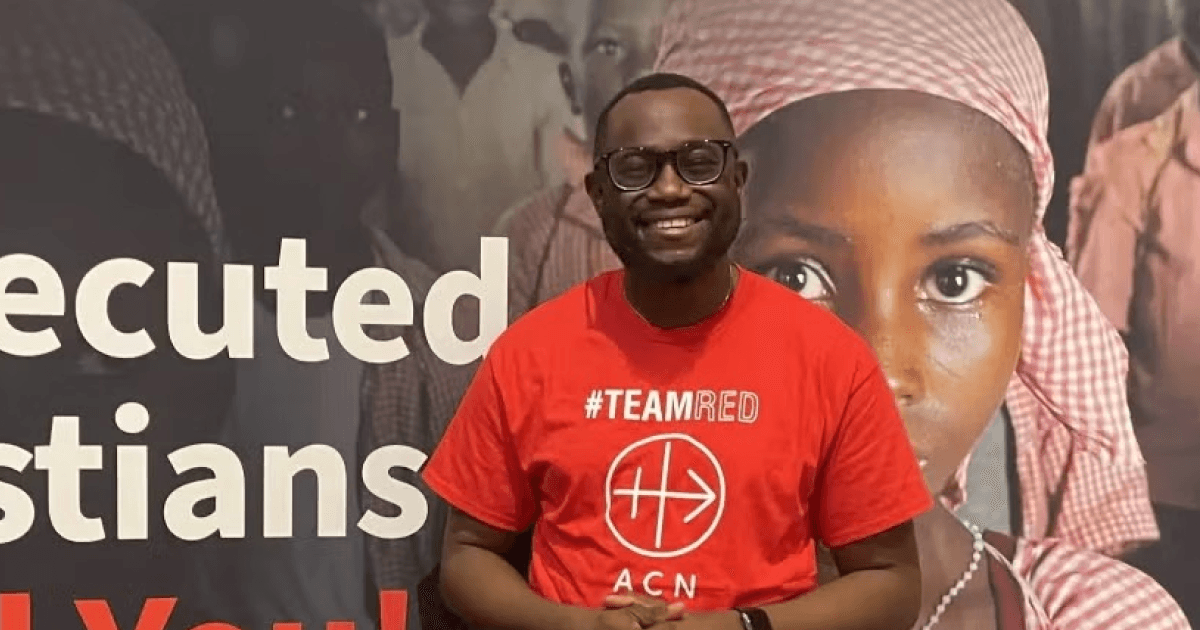 Newsroom
TikTok priest urges young people to stand with persecuted Christians
Nathalie Raffray Newsroom
Baby born at 25 weeks reunites with neonatologist two years after leaving hospital
The Catholic Herald Newsroom
Joe Biden honoured by Planned Parenthood after defending abortion rights
Christine Rousselle
subscribe to the catholic herald today
Our best content is exclusively available to our subscribers. Subscribe today and gain instant access to expert analysis, in-depth articles, and thought-provoking insights—anytime, anywhere. Don’t miss out on the conversations that matter most.
Subscribe



