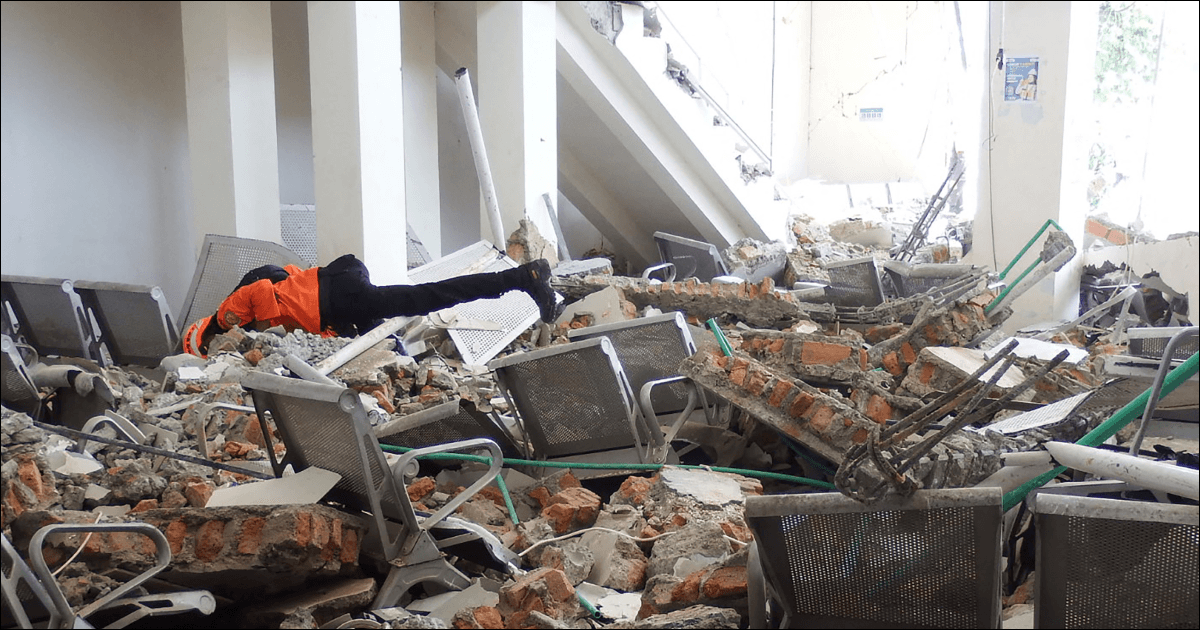



An Indonesian bishop has described the feelings of panic felt by the faithful on the predominantly Catholic island of Flores when it was struck by a 7.7-magnitude earthquake. At least 68 people have died across the country following the August 15 earthquake and 213 people have been injured, making it the deadliest since 2022.
Archbishop Paulus Budi Kleden of Ende, SVD, told Vatican News that he was preparing to celebrate a Confirmation Mass later in the day when the earthquake struck at 5am local time. “We were all panicking,” he said, though within hours he had begun visiting families displaced by the disaster.
As the archbishop travelled on the damaged roads by motorbike, he saw displaced people seeking safety from the earthquake. The locals also sheltered in forests and open areas and were again visited by Archbishop Kleden in the afternoon and evening.
“First, I saw the panic and fear of the people because they did not know when they would be able to return home. It was painful to witness. But I also saw an extraordinary solidarity among the faithful,” he said. “Their houses were cracked, but their love was not broken.”
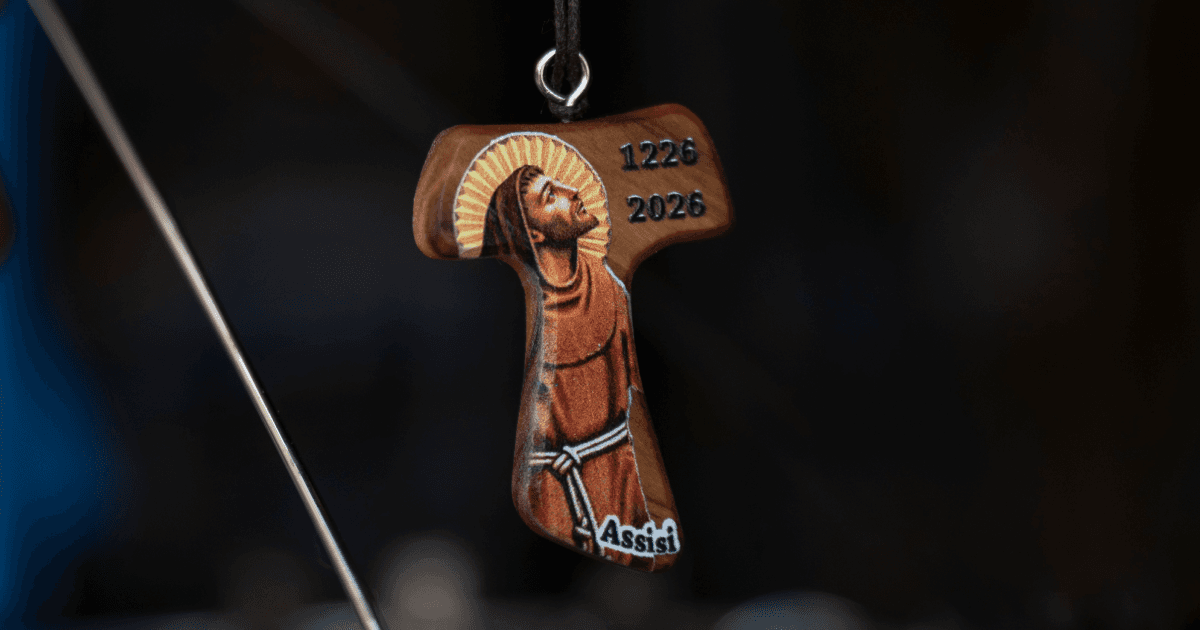
The archbishop noted a “profound expression of faith” as he saw three children travelling on a motorbike with their mother as one of the children carried a small crucifix. “That child was carrying the crucified Lord in the midst of their own way of the cross,” he said.
In a message to the faithful, Archbishop Kleden said: “As believers, we trust that we are not alone in a situation like this. God has not abandoned us. With this conviction, we help ourselves, and we help others. Solidarity is the key in a situation like this."
Indonesia’s National Disaster Management Agency stated that more than 900 homes were destroyed during the disaster with a further 450 damaged. The destruction has forced around 5,000 people into temporary accommodation and thousands spent the night outdoors.
Yulian Juita Ekalia, who lives in Ruteng city, which is around 60 miles from the epicentre, told AFP that the earthquake felt larger than he had experienced before.
“It felt like we were on a trampoline; it was really scary," he said. "As I rushed to get outside, everything in the house fell down: the television, my son's trophies, the dish racks, suitcases on top of the wardrobes. When I got outside, my son and neighbours were already there, screaming in fear."
By August 16, relief workers had begun distributing meals, water and medicine, with rescuers searching through debris for people who could have been buried beneath landslides. Immediately following the earthquake, the diocesan community began offering provisional help to those affected while a formal emergency response programme was being established, which the archbishop described as “Caritas in its truest sense”.
The Archdiocese of Ende’s coordination team has worked closely with Caritas Indonesia to facilitate emergency assistance, such as psychological and trauma-healing support. Following the initial response, Church leaders also looked to rebuilding the many ruined structures. The archbishop said they were working with the Indonesian Government, NGOs, and volunteers to rebuild, asking for the continued prayers of the faithful for the people of Flores.
He received a telegram from Pope Leo XIV, who conveyed his condolences to families and expressed his deep sadness at the loss of life. The Holy Father also offered prayers for the dead and injured as well as the teams participating in rescue and relief efforts.
Indonesia, which is located at the convergence of major tectonic plates, is prone to disastrous earthquakes. In 1992, a tsunami caused by an earthquake killed around 2,500 people on Flores, where the Archdiocese of Ende is located.
The 2004 Indian Ocean tsunami had its epicentre in Sumatra, Indonesia. Almost 230,000 people across a number of countries, and it is believed to have been the second or third most powerful globally since 1900.