

A new initiative to digitally record the interiors of Ireland’s churches is set to launch next month. The project will record the interiors of more than 3,000 Irish Catholic churches, which could bring new possibilities for genealogical research.
The launch will come as part of the Catholic Historical Society of Ireland’s annual conference, entitled ‘Irish Catholic Spaces: Pasts and Futures’, at St Patrick’s Campus in Dublin City University, Drumcondra, Dublin on September 19.
Parish – Preserving and Recording Ireland’s Sacred Heritage – is a collaborative history and heritage project of Maynooth University and the Keough-Naughton Institute for Irish Studies at the University of Notre Dame’s Keough School of Global Affairs.
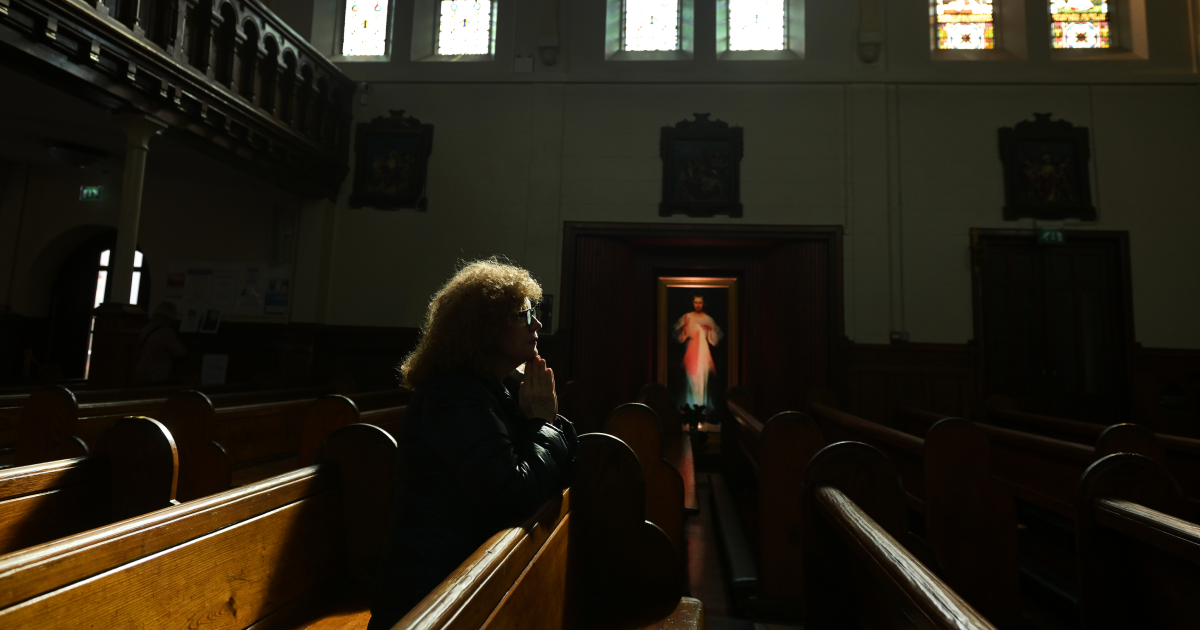
The project is producing a comprehensive online database with photographs and other records of the interiors of the more than 3,000 Catholic churches on the island of Ireland, most of them built in the 19th and 20th-centuries. Parish’s database, which will be freely accessible to anyone for research, will provide an ongoing record of the Irish Catholic Church’s infrastructure and the people who built it.
Committee member Prof John McCafferty of UCD’s School of History, who is also chair of the Irish Manuscripts Commission, said the numerous churches reflect “the extraordinary built heritage of the Church in Ireland”.
He said: “Interest in Ireland’s many beautiful and significant Catholic churches continues to grow apace. We hope that our conference will spark even further appreciation and study of this key part of Ireland’s heritage.”
Bishop Paul Connell of Ardagh and Clonmacnoise, who is a committee member of the Catholic Historical Society, said: “The built heritage of the Catholic Church in Ireland is a wonderful legacy which flourished on the faith of those who have gone before us. It is vital that we continue to maintain and preserve it.”
Sarah Roddy, a historian at Maynooth University, said at the launch of Parish in 2023 that Ireland’s 19th and 20th century parishes were able to be built through the voluntary contributions of ordinary parishioners.
Roddy said: “Inside most of the Catholic churches in Ireland you'll find that many elements of the building and the furniture and fittings are inscribed with the names of at least some of the parishioners who actually donated the money that built them.”
She noted that some churches have hundreds of such dedications and are “often very rich in terms of the information that they offer. They contain a really significant amount of data on local and diaspora populations connected to particular parishes.”
Roddy noted that the inscriptions often include birth and death dates, addresses and occupations inscribed, meaning the new database could be highly valuable for tracing family histories.
The conference sessions will also examine the Franciscan friary network, 20th- century stained glass, the religious built environment and the Irish diaspora.