December 30, 2025
December 30, 2025

Inventing the king’s fool

Min read
share

Peter K. Andersson’s Fool is a curious and ingenious book, the intriguing outcome of a consciously doomed attempt to write the biography of a man upon whose mere and sparsely documented existence an inverted pyramid of anecdote and legend was precariously erected in the century that followed his death. The subject of this unusual exercise is William, or Will Somer, a marginal figure on the payroll of the royal court in the last dozen years of the reign of Henry VIII and through the reigns of Edward VI and Mary I. His role at court was as the king’s (or queen’s) fool, a role which was subsequently romanticised into that of the court jester, but which in the Tudor era, the author emphasises, represented not so much a comedian as a figure of fun.

Selection for the role commonly reflected an evident physical or mental disability or at least difference, something that, in an age less civil and more cruel, did not evoke either sympathy or even embarrassment. The fool was indeed licensed to breach the protocols of decorum and deference that governed a profoundly hierarchical society, but not through the deliberate exercise of knowing wit; rather through mere ignorance or simplicity. The court fool, in those days, was a joke rather than a joker, laughed at rather than laughed with, even though laughter was often prompted by what he said as well as by what he did, or what he was.

The premise of this book is the sharp contrast between the scraps of evidence that are all that survive from the lifetime of Will Somer and the swelling body of anecdote that accumulated around his name over the next century. Beginning in the 1560s, the legend of Will Somer grew like a pearl for a few decades, then rolled like a snowball from the 1590s, culminating in the publication in 1637 of what purported to be an account of his life, though it was little more than a collection of merry tales. Andersson starts his quest for his man with the relatively abundant material from the 17th century and works his way down the pyramid and back in time towards the fool’s actual life, stripping away most of what we think we know about him. In the end, Somer’s real life only briefly and faintly blinks into view, mostly thanks to occasional records of the clothing provided for him at the cost of the royal wardrobe. These few records are remarkable only for the extraordinary number of buttons supplied to him — a fact in which Andersson bravely seeks some meaning, but which probably indicates a high attrition rate for buttons in Somer’s case, perhaps for some reason connected with impulsive or compulsive behaviour.

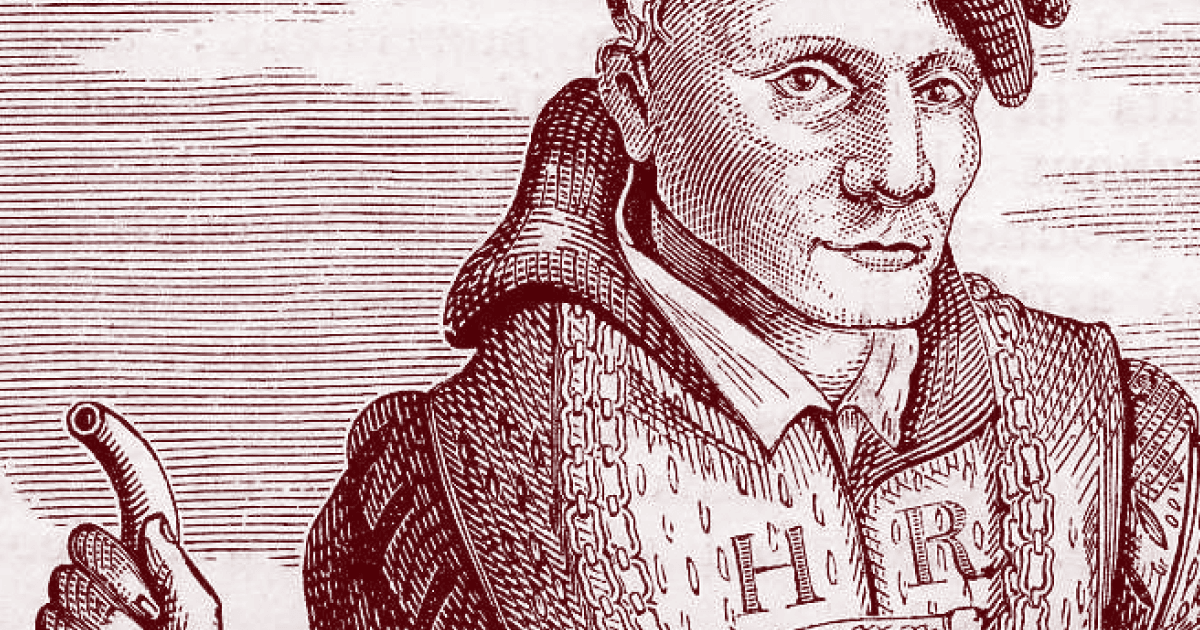
Bizarrely — for someone who was neither royal nor noble, and who achieved no high office in church or state — we know what Will Somer looked like. He appears in several surviving depictions of Henry VIII or his family, though most of them postdate Henry’s reign.

His most notable appearance is an illumination in the manuscript psalter produced for the king’s personal use by Jean Mallard in the early 1540s. This psalter features versions of several of the stock images of King David that were used to decorate manuscript or printed copies of the Book of Psalms. In each case, Mallard’s David is shown as Henry VIII himself (in the hunky version of his prime, that is, not the bloated edition of the 1540s).

Somer appears in an illustration opposite Psalm 52, which includes the famous line: “The fool hath said in his heart, ‘There is no God.’” There is no reason, of course, to imagine that Somer was any kind of atheist. Avowed atheists were rare birds indeed in Tudor England. His depiction in Mallard’s psalter, from which all the other pictures shown in this book look as though they ultimately derive, is presumably just another joke at his expense.

As Andersson reminds us, Henry’s good servant Thomas More likewise had a fool in his household, one Henry Patenson. Like Somer, his appearance is recorded, for he is shown in a version of the group portrait of More’s family that was originally painted by Holbein in the 1520s. It is highly unlikely that More looked to Patenson for wit, which he was more than capable of supplying himself. In the early to mid-1520s, Henry VIII liked having More around at court precisely because he was a witty and entertaining companion. Patenson’s presence in More’s household reminds us that to keep a fool was also a deed of charity, affording a secure living to those unable to gain a living any other way.

Interesting and artful, more than somewhat donnish, and engaging in debates about the role of the fool in life and in the theatre, Fool is in the end the story of a man who almost never was. It would require a true connoisseur of human folly — such as Thomas More, or his friend Erasmus — to do full justice to it.

Peter K. Andersson’s Fool is a curious and ingenious book, the intriguing outcome of a consciously doomed attempt to write the biography of a man upon whose mere and sparsely documented existence an inverted pyramid of anecdote and legend was precariously erected in the century that followed his death. The subject of this unusual exercise is William, or Will Somer, a marginal figure on the payroll of the royal court in the last dozen years of the reign of Henry VIII and through the reigns of Edward VI and Mary I. His role at court was as the king’s (or queen’s) fool, a role which was subsequently romanticised into that of the court jester, but which in the Tudor era, the author emphasises, represented not so much a comedian as a figure of fun.

Selection for the role commonly reflected an evident physical or mental disability or at least difference, something that, in an age less civil and more cruel, did not evoke either sympathy or even embarrassment. The fool was indeed licensed to breach the protocols of decorum and deference that governed a profoundly hierarchical society, but not through the deliberate exercise of knowing wit; rather through mere ignorance or simplicity. The court fool, in those days, was a joke rather than a joker, laughed at rather than laughed with, even though laughter was often prompted by what he said as well as by what he did, or what he was.

The premise of this book is the sharp contrast between the scraps of evidence that are all that survive from the lifetime of Will Somer and the swelling body of anecdote that accumulated around his name over the next century. Beginning in the 1560s, the legend of Will Somer grew like a pearl for a few decades, then rolled like a snowball from the 1590s, culminating in the publication in 1637 of what purported to be an account of his life, though it was little more than a collection of merry tales. Andersson starts his quest for his man with the relatively abundant material from the 17th century and works his way down the pyramid and back in time towards the fool’s actual life, stripping away most of what we think we know about him. In the end, Somer’s real life only briefly and faintly blinks into view, mostly thanks to occasional records of the clothing provided for him at the cost of the royal wardrobe. These few records are remarkable only for the extraordinary number of buttons supplied to him — a fact in which Andersson bravely seeks some meaning, but which probably indicates a high attrition rate for buttons in Somer’s case, perhaps for some reason connected with impulsive or compulsive behaviour.

Bizarrely — for someone who was neither royal nor noble, and who achieved no high office in church or state — we know what Will Somer looked like. He appears in several surviving depictions of Henry VIII or his family, though most of them postdate Henry’s reign.

His most notable appearance is an illumination in the manuscript psalter produced for the king’s personal use by Jean Mallard in the early 1540s. This psalter features versions of several of the stock images of King David that were used to decorate manuscript or printed copies of the Book of Psalms. In each case, Mallard’s David is shown as Henry VIII himself (in the hunky version of his prime, that is, not the bloated edition of the 1540s).

Somer appears in an illustration opposite Psalm 52, which includes the famous line: “The fool hath said in his heart, ‘There is no God.’” There is no reason, of course, to imagine that Somer was any kind of atheist. Avowed atheists were rare birds indeed in Tudor England. His depiction in Mallard’s psalter, from which all the other pictures shown in this book look as though they ultimately derive, is presumably just another joke at his expense.

As Andersson reminds us, Henry’s good servant Thomas More likewise had a fool in his household, one Henry Patenson. Like Somer, his appearance is recorded, for he is shown in a version of the group portrait of More’s family that was originally painted by Holbein in the 1520s. It is highly unlikely that More looked to Patenson for wit, which he was more than capable of supplying himself. In the early to mid-1520s, Henry VIII liked having More around at court precisely because he was a witty and entertaining companion. Patenson’s presence in More’s household reminds us that to keep a fool was also a deed of charity, affording a secure living to those unable to gain a living any other way.

Interesting and artful, more than somewhat donnish, and engaging in debates about the role of the fool in life and in the theatre, Fool is in the end the story of a man who almost never was. It would require a true connoisseur of human folly — such as Thomas More, or his friend Erasmus — to do full justice to it.

share

subscribe to the catholic herald today

Our best content is exclusively available to our subscribers. Subscribe today and gain instant access to expert analysis, in-depth articles, and thought-provoking insights—anytime, anywhere. Don’t miss out on the conversations that matter most.
Subscribe