


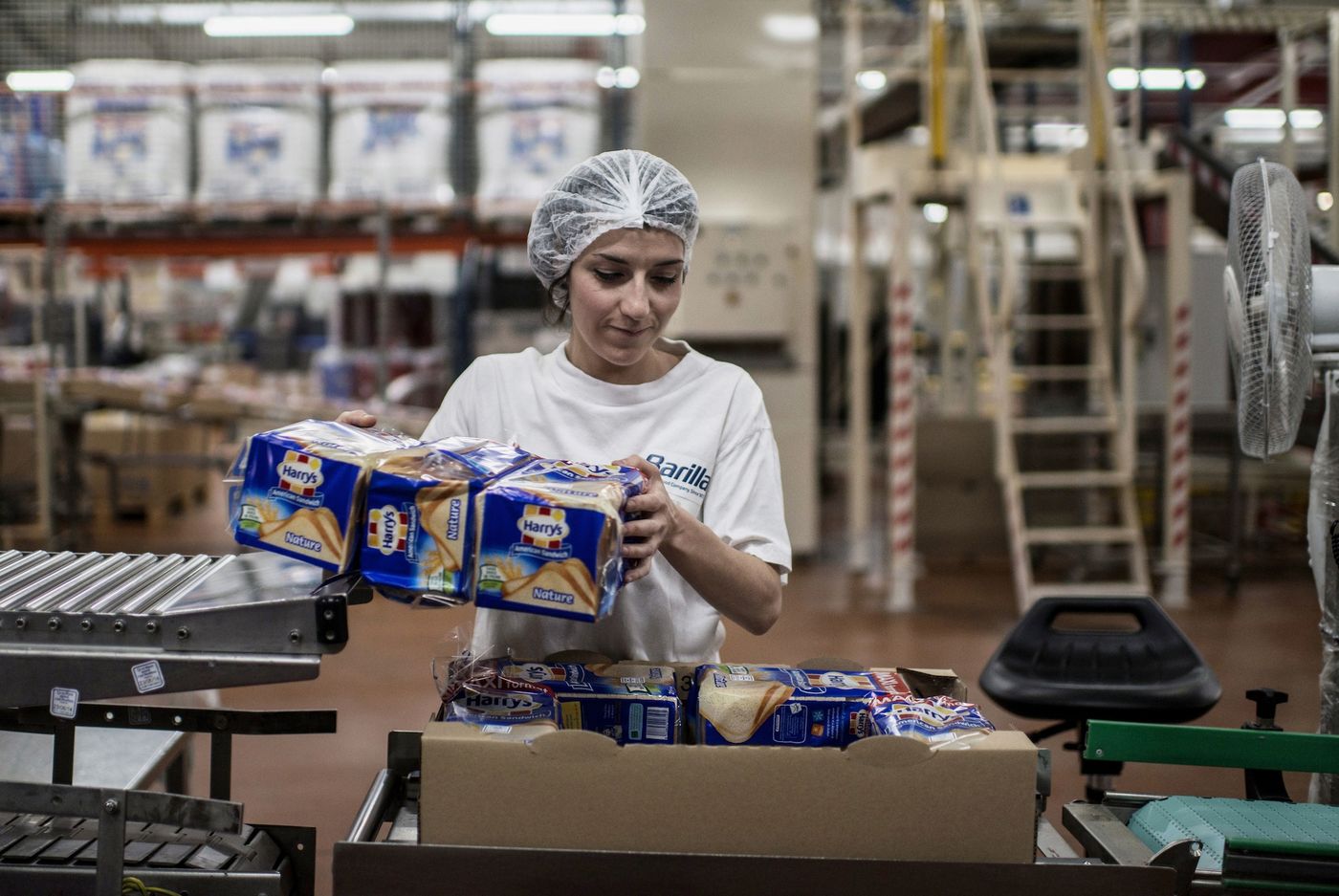
As the cost of the orgy of Christmas consumption pops up in the bank account, I wonder if I am being naive and foolish to pay through the nose for de luxe British-made things – such as pricey cashmere from Brora, say, or a gleaming stainless steel Dualit toaster, instead of the far cheaper mass-produced equivalent? Victoria Stapleton, the remarkable woman who founded Brora in 1993, summed up the difference between cheap cashmere and her Scottish version when she told a Telegraph interviewer that a Brora jumper would probably be “double the weight” of something cheaper. Why is that? Well, they use only the best cashmere from the goats of the Mongolian plateau. And once they bring it to Britain – where all the dyeing, milling, knitting and clever blending of the colours goes on – they discard the coarse hairs and use only the finest and longest fibres. This means that the finished product should be stronger and last longer. Now I don’t know about you, but I like the idea of paying more for something that will last longer and keep its quality. At the same time you are contributing to the employment of British workers – like those at the venerable Scottish mill Johnstons of Elgin, which Brora uses – in satisfying jobs that require them to use worthwhile craft skills. The same principle applies to the Dualit toaster I bought the family this year. It was hand-built in the UK, is fully repairable – I’ve ordered parts before and fitted them myself – and should last a lifetime. The only reason I’m replacing our 25-year-old model is to because we now need four slots instead of two. Of course the world cannot flourish without the vast benefits that mass production has brought – and only a decadent Western fantasist would want to go back to some pre-industrial idyll where everything was made by artisans. But mass production doesn’t have to go hand in hand with the stripping away of skills, so that a job is reduced to a soul-destroying process of pushing a succession of buttons. This de-skilling surely takes away the essential dignity of work that Pope Leo XIII talks about in his encyclical Rerum Novarum.
2:30 PM
Is there a Catholic way to mass-produce goods?
as the cost of the orgy of christmas consumption pops up in the bank account, i wonder if i am being naive and foolish to pay through the no...
Andrew M Brown

5 min read



Already a subscriber? Sign in
5freearticles every month
Continue reading with a free account. No card needed.
- Five free articles every thirty days, on any device you sign in on
- The Catholic Herald newsletter, every morning
- Subscribe whenever you like for everything: every article and the magazine



subscribe to the catholic herald today
Our best content is exclusively available to our subscribers. Subscribe today and gain instant access to expert analysis, in-depth articles, and thought-provoking insights—anytime, anywhere. Don’t miss out on the conversations that matter most.
Subscribe



