February 12, 2026

Islam is everywhere in today’s art world

Lucien de Guise
More
No items found.
Related
Min read
share

One of the most significant cultural events of the year took place at the British Museum last week: the glitzy new Albukhary Foundation Gallery of the Islamic World was formally opened. The gallery is huge both in size and in terms of the message it sends about the growing Islamic influence in the London art world.

The gallery rehouses the British Museum’s existing Islamic art collection in far grander premises. The collection is no longer located in a corner near the entrance where coaches offload school groups. It is now next to the star attraction of the Sutton Hoo treasure.
The works were formerly housed in the John Addis Gallery, named after an obscure British diplomat; the new gallery is named after Malaysian businessman Syed Mokhtar Albukhary, founder of the Albukhary Foundation, an international charity.

The British Museum is just the latest respected institution to highlight Islamic art. The Victoria and Albert Museum set the ball rolling with its Jameel Gallery of Islamic Art, opened in 2006 by the Prince of Wales. The Jameel family of Saudi Arabia are also sponsors of the world’s leading prize for contemporary artists inspired by Islamic tradition.

After the V&A came the Metropolitan Museum of Art in New York, which emerged from its 10-year refurbishment with 15 new galleries called, in an unwieldy but geographically precise way, “Art of the Arab Lands, Turkey, Iran, Central Asia, and Later South Asia”. Among the most prominent areas of this enormous space are two Koc Family Galleries, after a substantial gift from the Vehbi Koc Foundation in Istanbul.

Then came the Louvre, whose astonishing reworked Islamic galleries were funded largely by another Saudi, Prince Al-Waleed bin Talal.

What do all the new benefactors have in common? Vast wealth, of course, and pride in Islamic culture in its many manifestations. They want Muslims and non-Muslims alike to appreciate 1,400 years of creativity, rather than the violence with which many associate Islam today.

At the same time as all this goodwill is being shown to leading Western institutions, museums of Islamic art are springing up around the world. They are mainly in the Gulf, but also as far apart as Malaysia and Canada – where the Aga Khan placed his collection in 2014 after the British authorities got cold feet about his hoped-for purchase of land next to St Thomas’ Hospital. London’s loss was Toronto’s gain, and the Aga Khan Museum remains the only dedicated museum of Islamic art in North America.

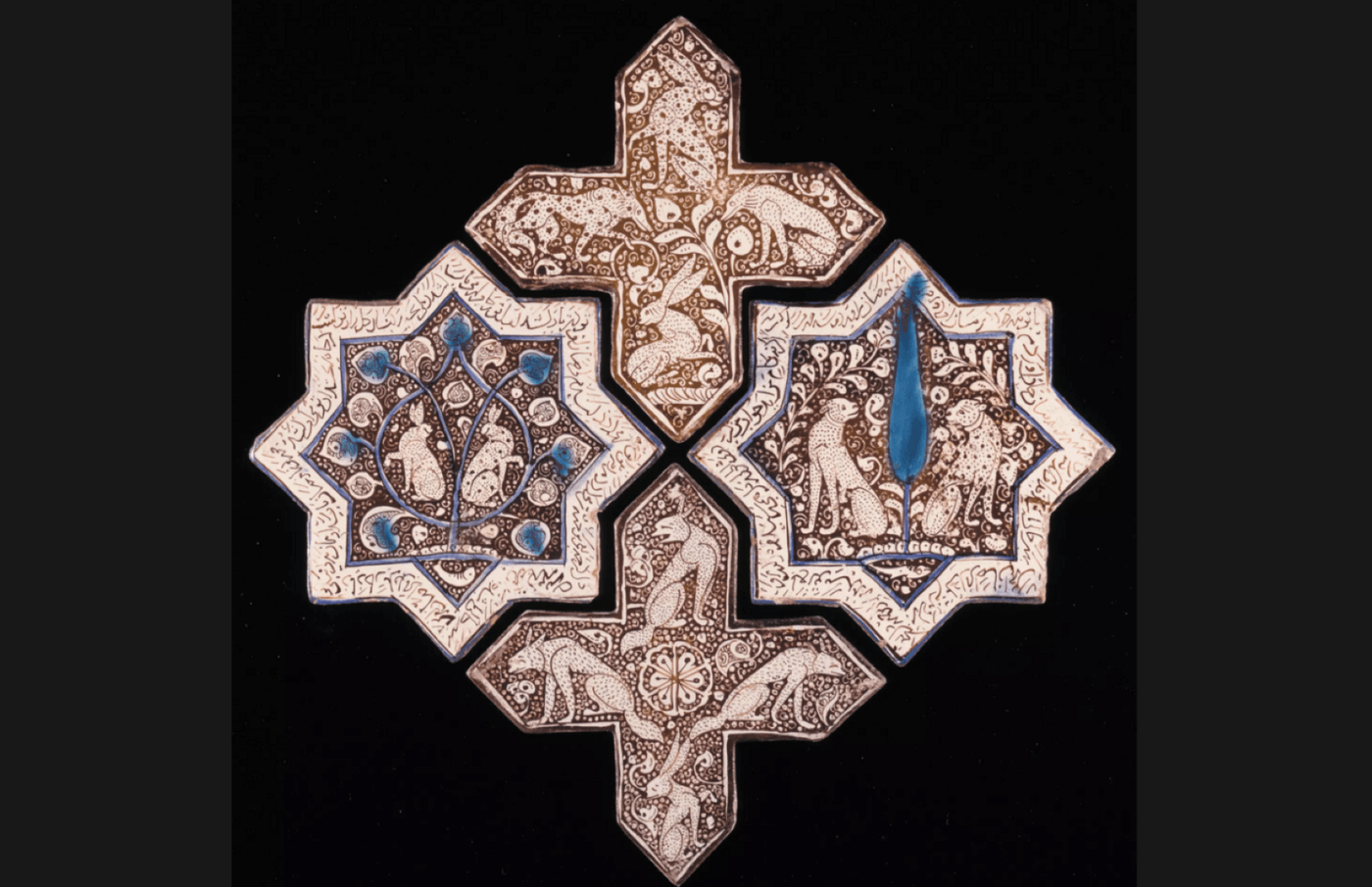
Apart from promoting Islamic heritage, what all these projects have in common is that they are lovely to look at. There is not a carbuncle in sight, which might be why enlightened Western art lovers, such as Prince Charles, enthuse about Islamic aesthetics. The London-based Prince’s School of Traditional Arts encourages a wide range of cultures, but somehow it is the Islamic component that always steals the show.

The new gallery at the British Museum is probably the most stunning so far and it comes at a useful time. The week the gallery opened also saw the release of the radical Islamist preacher Anjem Choudary from jail. In the unlikely event that he should visit, it might even change his perception of Islamic values.

One of the most significant cultural events of the year took place at the British Museum last week: the glitzy new Albukhary Foundation Gallery of the Islamic World was formally opened. The gallery is huge both in size and in terms of the message it sends about the growing Islamic influence in the London art world.

The gallery rehouses the British Museum’s existing Islamic art collection in far grander premises. The collection is no longer located in a corner near the entrance where coaches offload school groups. It is now next to the star attraction of the Sutton Hoo treasure.
The works were formerly housed in the John Addis Gallery, named after an obscure British diplomat; the new gallery is named after Malaysian businessman Syed Mokhtar Albukhary, founder of the Albukhary Foundation, an international charity.

The British Museum is just the latest respected institution to highlight Islamic art. The Victoria and Albert Museum set the ball rolling with its Jameel Gallery of Islamic Art, opened in 2006 by the Prince of Wales. The Jameel family of Saudi Arabia are also sponsors of the world’s leading prize for contemporary artists inspired by Islamic tradition.

After the V&A came the Metropolitan Museum of Art in New York, which emerged from its 10-year refurbishment with 15 new galleries called, in an unwieldy but geographically precise way, “Art of the Arab Lands, Turkey, Iran, Central Asia, and Later South Asia”. Among the most prominent areas of this enormous space are two Koc Family Galleries, after a substantial gift from the Vehbi Koc Foundation in Istanbul.

Then came the Louvre, whose astonishing reworked Islamic galleries were funded largely by another Saudi, Prince Al-Waleed bin Talal.

What do all the new benefactors have in common? Vast wealth, of course, and pride in Islamic culture in its many manifestations. They want Muslims and non-Muslims alike to appreciate 1,400 years of creativity, rather than the violence with which many associate Islam today.

At the same time as all this goodwill is being shown to leading Western institutions, museums of Islamic art are springing up around the world. They are mainly in the Gulf, but also as far apart as Malaysia and Canada – where the Aga Khan placed his collection in 2014 after the British authorities got cold feet about his hoped-for purchase of land next to St Thomas’ Hospital. London’s loss was Toronto’s gain, and the Aga Khan Museum remains the only dedicated museum of Islamic art in North America.

Apart from promoting Islamic heritage, what all these projects have in common is that they are lovely to look at. There is not a carbuncle in sight, which might be why enlightened Western art lovers, such as Prince Charles, enthuse about Islamic aesthetics. The London-based Prince’s School of Traditional Arts encourages a wide range of cultures, but somehow it is the Islamic component that always steals the show.

The new gallery at the British Museum is probably the most stunning so far and it comes at a useful time. The week the gallery opened also saw the release of the radical Islamist preacher Anjem Choudary from jail. In the unlikely event that he should visit, it might even change his perception of Islamic values.

subscribe to
the catholic herald

Continue reading your article with a subscription.
Read 5 articles with our free plan.
Subscribe

subscribe to the catholic herald today

Our best content is exclusively available to our subscribers. Subscribe today and gain instant access to expert analysis, in-depth articles, and thought-provoking insights—anytime, anywhere. Don’t miss out on the conversations that matter most.
Subscribe