


February 12, 2026

It’s okay to grieve at Christmas

Samantha Smith
More
Related
Min read
share

Christmas is meant to be a season of merriment and joy, filled with colourful paper crowns, twinkling fairy light garlands strung around a tree, and the laughter of young children echoing throughout homes from Tamworth to Timbuktu. For Christians, the feast is all the more precious, as we celebrate the arrival of the Infant Christ. 

But loss is part of the Christian experience too. For anyone grieving the ghosts of Christmases past, learning to live with that hollowness is often hardest during the holidays.
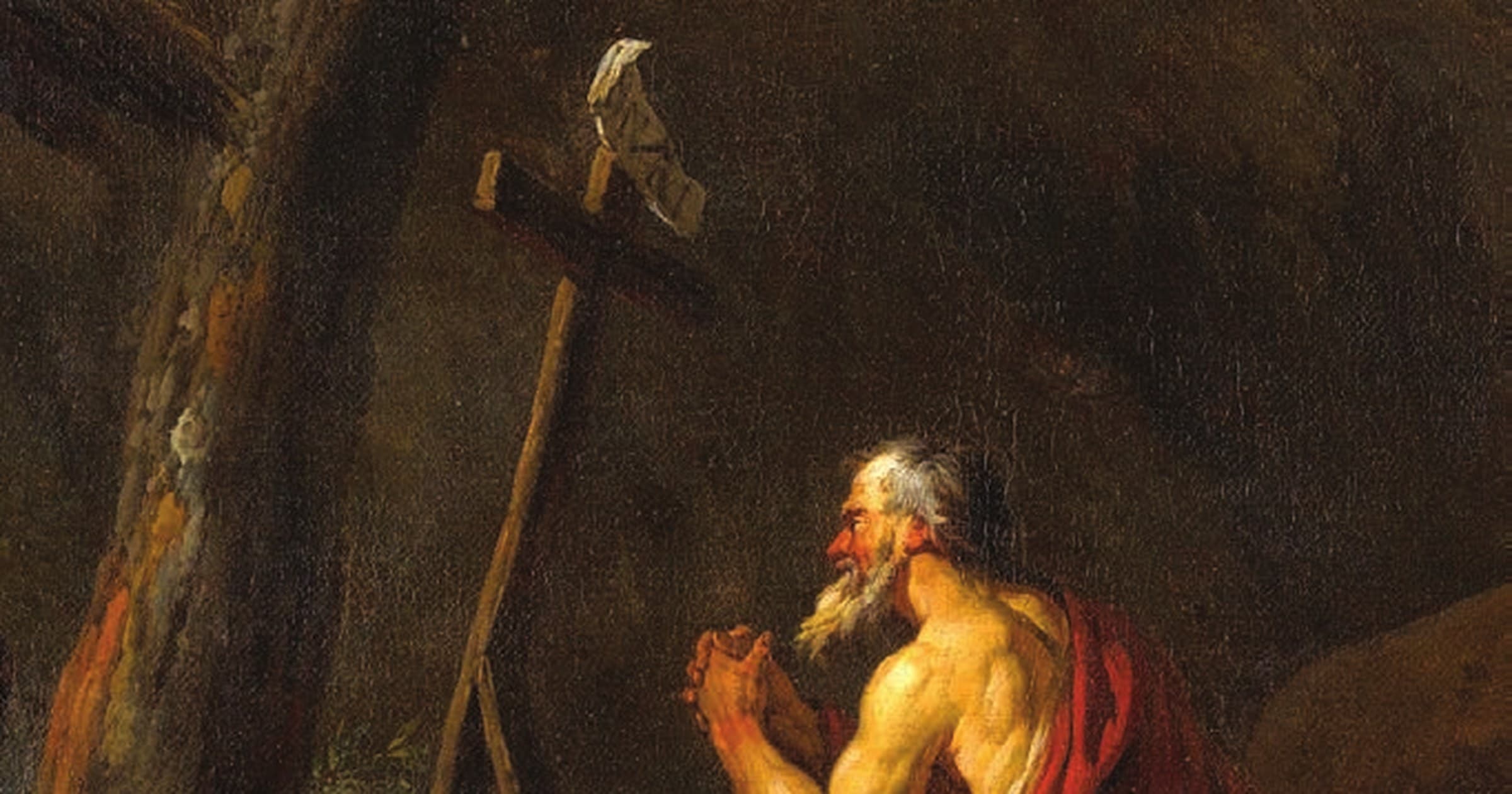
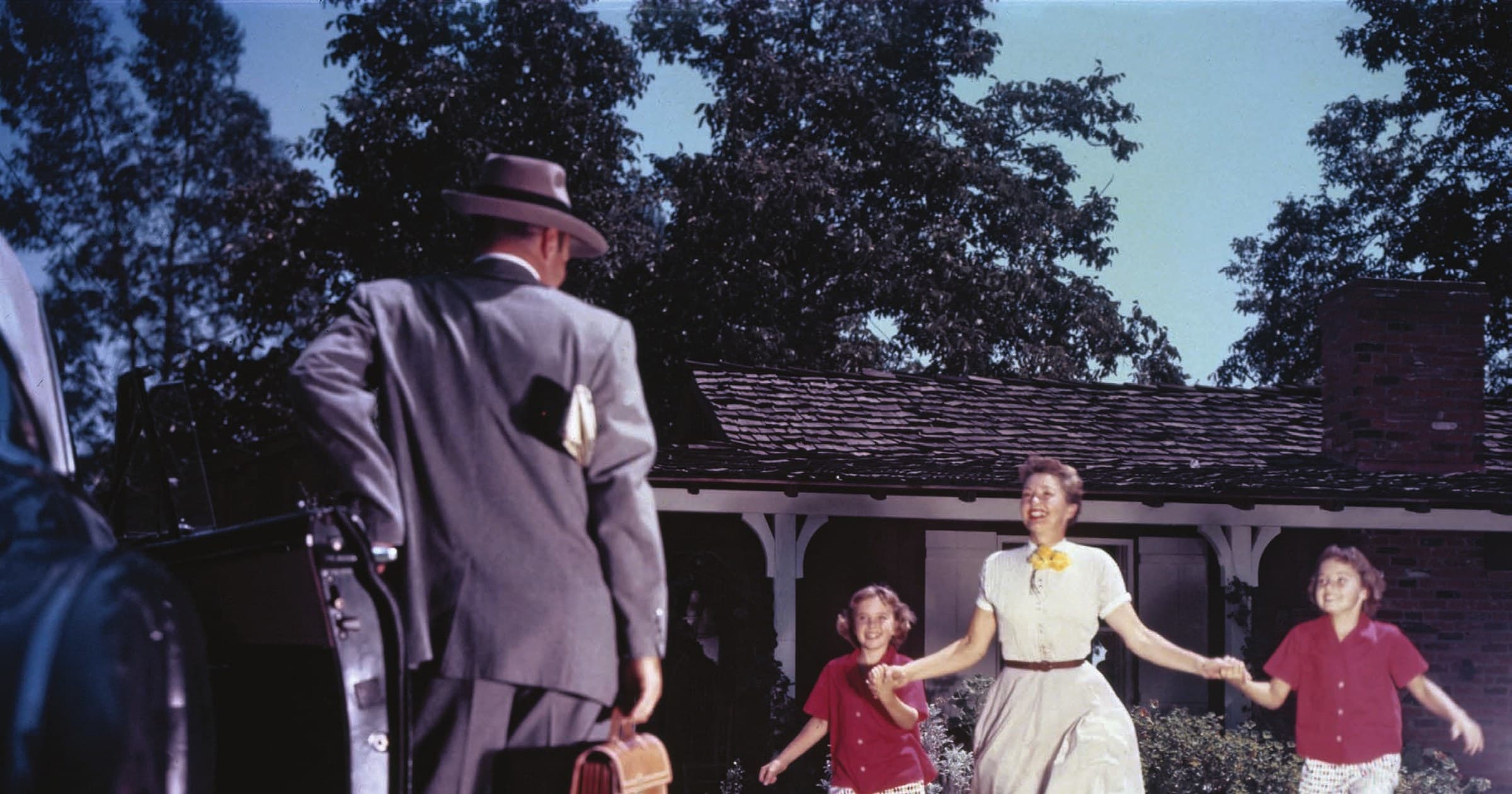
For all its jingles and bells, I have always struggled most at this time of year. To be grieving when everyone around you is filled with gaiety can make you feel like a right Scrooge. Growing up in a devout Roman Catholic household, family and fellowship were always at the heart of our celebrations. Mass attendance was mandatory, Skype calls with scattered relatives in far flung corners of the world were unavoidable, and every day of Advent seemed to be filled with a different festive event.

I lost my father under tragic circumstances at the age of four. His last Christmas, though I did not learn this until many years later, was spent renting a house for myself and my siblings. He filled it with presents, bunk beds and toys for us to play with, wanting all of his children under his roof for the happiest day of every child’s year. But I was not there on Christmas Day. As far as I know, no one was. He died two months later.

Christmas after he passed was never quite the same. I do not remember ever feeling as tall as I used to when he lifted me up to place the star atop the tree. The decorations were never quite as boisterous as when we spent weekends decking the halls together. The tree was never real again, as my newly widowed mum had far more to worry about than sweeping up pine needles every night for a month.

My grandfather was the next to pass, just four days after Christmas, in a hospice bed surrounded by loved ones. He was a Church of England deacon and remains one of the greatest inspirations in my faith to this day.

Then Nanny Jo in the summer of 2011. I never did receive another hand knitted jumper or pair of fluffy pink gloves. An uncle was murdered in 2013. My other grandad died from cancer shortly after. I still miss picking potatoes on bitter winter mornings and roasting chestnuts by the fire on the farm. This Christmas is the first I will spend without my Mama Bebe, or Lola for all the Filipinos out there, after she passed away in early October.

I still had a network around me. My mum enlisted a carousel of friends, colleagues and family members to make every Christmas special and sparkly. My Nanny Sue brought me along to multiple church events each week once school broke up, and I relished the free biscuits and coos of “What a good girl!” as I waxed pews during church cleaning or clumsily followed along at the rosary group. The extended family trekked to Stafford every Boxing Day for the annual festive feast, with trays of picky bits and Christmas crackers snapping across the table.

Despite the losses, I still have many wonderful Christmas memories. Father Christmas still came when I was far too old to believe in him, though I did until the age of fourteen. I still trudged to Midnight Mass at the height of teenage rebellion. I still begged to put the tree up weeks before it was socially acceptable and fought to keep it long past the Feast of the Epiphany. Despite being left alone to raise a little girl while navigating her own grief, my mum had the patience of a saint and the work ethic of a North Pole elf. For that, I am eternally grateful.

Still, when the Advent candles are lit and the sound of carollers fills the air, a melancholy settles at the base of my chest and refuses to lift until the snowdrops peek through the grass in mid-January.

We are taught to rejoice in the birth of Christ, to treat the feast of his arrival as a moment of pure jubilation and light, to hold our loved ones closer than ever. But how does one do that when those dearest to us have gone? It feels impossible to celebrate in their memory without wishing they were simply here to do it with us instead.

As I have grown older, I have come to understand the place of grief within the Christian calendar. While Christmas has been reduced to a candy cane striped caricature in much of the West, I have found myself returning to my Filipino roots to understand how grief, penance and contemplation belong within the season.

Advent is not a warm up act for joy, but a season of waiting and restraint. Christ’s birth did not resolve humanity’s woes, nor was Jesus spared a life marked by loss. Christ was born into a world already scarred by grief and suffering. God, through his only Son, chose to enter a world where people die, where families fracture, and where absence can both break a heart and deepen love.

Isaiah spoke of a people “walking in darkness” long before anyone reached Bethlehem. That darkness never fully lifted, and Christ’s crucifixion reminds us that no one is exempt from the limits of human life. Death is an inevitable consequence of living. Yet just as Christ rose again and ascended into heaven, eternal life awaits us when our time on earth is complete.

We must sit with darkness before we are given light. Christmas is far more than mince pies and television reruns. It marks the beginning of the Christian life cycle, holding every shade of human emotion. Joy, jubilation and grief.

If Christ had not been loved, he would not be missed. If he had not lived, suffered and died, there would be no reason to celebrate the twenty fifth of December. Without the pain of the crucifixion, the joy of the resurrection would lose its meaning.

Loss is part of the Christian experience. Grief is a gift because it shows how deeply we are capable of loving. Christmas reminds us that to be grieved, a life must first have been lived and cherished.

I still feel the ache in the pit of my stomach each year. Sometimes I listen to the hymns but cannot bring myself to sing. At other times, I laugh so hard that tears gather from emotions I had forgotten could still surface. When Midnight Mass ends and people instinctively turn to embrace their families, the ache does not diminish with time.

The difference is that I no longer expect it to.

I no longer believe my grief makes me ungrateful, faithless or broken in some uniquely inconvenient way. It simply means I have loved people who are no longer here. Christmas insists on reminding me of that truth.

Christmas is meant to be a season of merriment and joy, filled with colourful paper crowns, twinkling fairy light garlands strung around a tree, and the laughter of young children echoing throughout homes from Tamworth to Timbuktu. For Christians, the feast is all the more precious, as we celebrate the arrival of the Infant Christ. 

But loss is part of the Christian experience too. For anyone grieving the ghosts of Christmases past, learning to live with that hollowness is often hardest during the holidays.
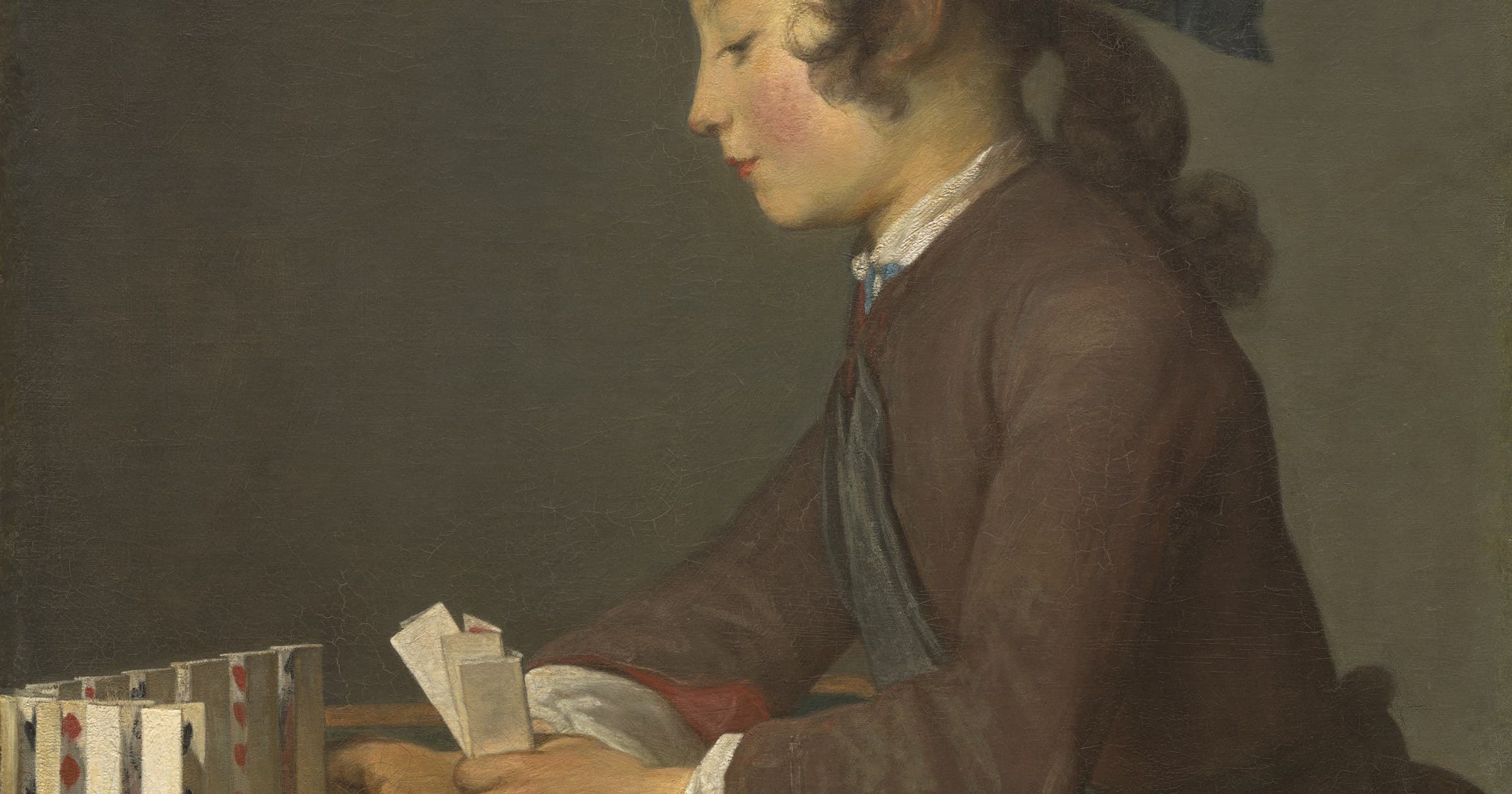
For all its jingles and bells, I have always struggled most at this time of year. To be grieving when everyone around you is filled with gaiety can make you feel like a right Scrooge. Growing up in a devout Roman Catholic household, family and fellowship were always at the heart of our celebrations. Mass attendance was mandatory, Skype calls with scattered relatives in far flung corners of the world were unavoidable, and every day of Advent seemed to be filled with a different festive event.

I lost my father under tragic circumstances at the age of four. His last Christmas, though I did not learn this until many years later, was spent renting a house for myself and my siblings. He filled it with presents, bunk beds and toys for us to play with, wanting all of his children under his roof for the happiest day of every child’s year. But I was not there on Christmas Day. As far as I know, no one was. He died two months later.

Christmas after he passed was never quite the same. I do not remember ever feeling as tall as I used to when he lifted me up to place the star atop the tree. The decorations were never quite as boisterous as when we spent weekends decking the halls together. The tree was never real again, as my newly widowed mum had far more to worry about than sweeping up pine needles every night for a month.

My grandfather was the next to pass, just four days after Christmas, in a hospice bed surrounded by loved ones. He was a Church of England deacon and remains one of the greatest inspirations in my faith to this day.

Then Nanny Jo in the summer of 2011. I never did receive another hand knitted jumper or pair of fluffy pink gloves. An uncle was murdered in 2013. My other grandad died from cancer shortly after. I still miss picking potatoes on bitter winter mornings and roasting chestnuts by the fire on the farm. This Christmas is the first I will spend without my Mama Bebe, or Lola for all the Filipinos out there, after she passed away in early October.

I still had a network around me. My mum enlisted a carousel of friends, colleagues and family members to make every Christmas special and sparkly. My Nanny Sue brought me along to multiple church events each week once school broke up, and I relished the free biscuits and coos of “What a good girl!” as I waxed pews during church cleaning or clumsily followed along at the rosary group. The extended family trekked to Stafford every Boxing Day for the annual festive feast, with trays of picky bits and Christmas crackers snapping across the table.

Despite the losses, I still have many wonderful Christmas memories. Father Christmas still came when I was far too old to believe in him, though I did until the age of fourteen. I still trudged to Midnight Mass at the height of teenage rebellion. I still begged to put the tree up weeks before it was socially acceptable and fought to keep it long past the Feast of the Epiphany. Despite being left alone to raise a little girl while navigating her own grief, my mum had the patience of a saint and the work ethic of a North Pole elf. For that, I am eternally grateful.

Still, when the Advent candles are lit and the sound of carollers fills the air, a melancholy settles at the base of my chest and refuses to lift until the snowdrops peek through the grass in mid-January.

We are taught to rejoice in the birth of Christ, to treat the feast of his arrival as a moment of pure jubilation and light, to hold our loved ones closer than ever. But how does one do that when those dearest to us have gone? It feels impossible to celebrate in their memory without wishing they were simply here to do it with us instead.

As I have grown older, I have come to understand the place of grief within the Christian calendar. While Christmas has been reduced to a candy cane striped caricature in much of the West, I have found myself returning to my Filipino roots to understand how grief, penance and contemplation belong within the season.

Advent is not a warm up act for joy, but a season of waiting and restraint. Christ’s birth did not resolve humanity’s woes, nor was Jesus spared a life marked by loss. Christ was born into a world already scarred by grief and suffering. God, through his only Son, chose to enter a world where people die, where families fracture, and where absence can both break a heart and deepen love.

Isaiah spoke of a people “walking in darkness” long before anyone reached Bethlehem. That darkness never fully lifted, and Christ’s crucifixion reminds us that no one is exempt from the limits of human life. Death is an inevitable consequence of living. Yet just as Christ rose again and ascended into heaven, eternal life awaits us when our time on earth is complete.

We must sit with darkness before we are given light. Christmas is far more than mince pies and television reruns. It marks the beginning of the Christian life cycle, holding every shade of human emotion. Joy, jubilation and grief.

If Christ had not been loved, he would not be missed. If he had not lived, suffered and died, there would be no reason to celebrate the twenty fifth of December. Without the pain of the crucifixion, the joy of the resurrection would lose its meaning.

Loss is part of the Christian experience. Grief is a gift because it shows how deeply we are capable of loving. Christmas reminds us that to be grieved, a life must first have been lived and cherished.

I still feel the ache in the pit of my stomach each year. Sometimes I listen to the hymns but cannot bring myself to sing. At other times, I laugh so hard that tears gather from emotions I had forgotten could still surface. When Midnight Mass ends and people instinctively turn to embrace their families, the ache does not diminish with time.

The difference is that I no longer expect it to.

I no longer believe my grief makes me ungrateful, faithless or broken in some uniquely inconvenient way. It simply means I have loved people who are no longer here. Christmas insists on reminding me of that truth.

subscribe to
the catholic herald

Continue reading your article with a subscription.
Read 5 articles with our free plan.
Subscribe

subscribe to the catholic herald today

Our best content is exclusively available to our subscribers. Subscribe today and gain instant access to expert analysis, in-depth articles, and thought-provoking insights—anytime, anywhere. Don’t miss out on the conversations that matter most.
Subscribe