


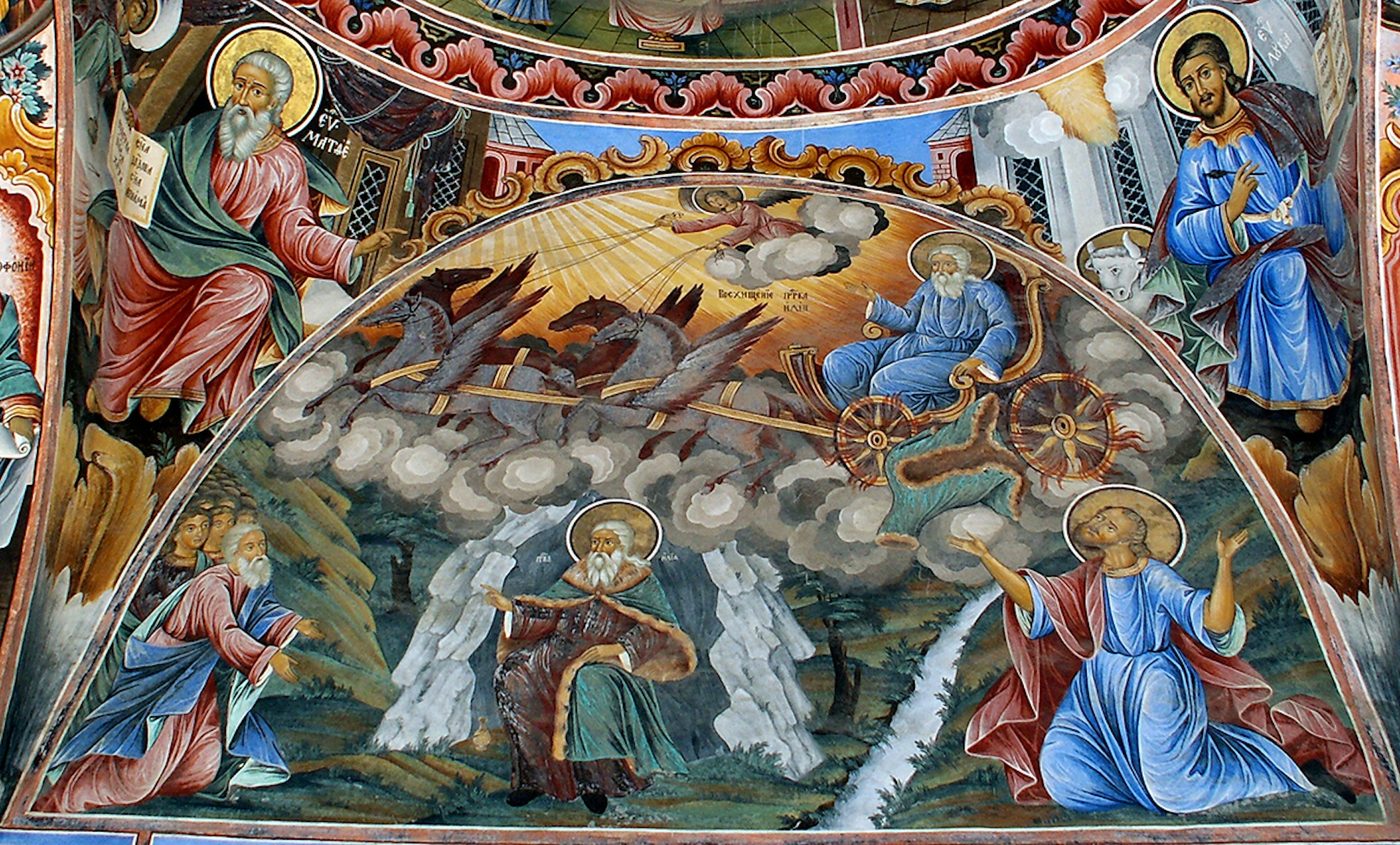
‘Lord, I have had enough. Take my life; I am no better than my ancestors.” Elijah the prophet was one of the greatest heroes of Israel’s faith, and yet even he was brought to the point of utter despair. He had fought bravely against the apostasy of Israel’s ruling classes, bringing down on his head the wrath of King Ahab and Jezebel, his infamous Queen. Now, a refugee in the wilderness, his faith was utterly spent. As the narrative unfolds, Elijah, alone in the desert, was tended by an angel. Each morning he woke to the freshly baked scones and water, the food that gave him the strength to continue to his encounter with the Lord on Mount Horeb. This simple story reminds us that the Eucharist is our food for the journey through life. As with Elijah, there will be times in our own lives when we feel abandoned and alone, seemingly cut off from the faith that once sustained us. It is in such moments that Christ’s presence in the Eucharist becomes the living Bread that sustains our own journey. The words of Jesus in the Gospel draw us into the deepest meaning of the Eucharist. Inevitably our attendance at the Eucharist is surrounded by routine that can blunt our sensitivity to the communion that it promises. “No one can come to me unless he has been drawn by the Father who sent me.” Our presence at the Eucharist, routine though it might be, must be seen against the wider purpose of God’s call. From all eternity the Father has chosen us, calling us to live through love in the presence of his Son. Whenever we go to Mass we are caught up in the wonder of a God who calls as Father, and reveals in us the presence of his Son Jesus Christ. “It is written in the prophets, they will be taught by God, and to hear the teaching of the Father, and learn from it, is to come to me.” When we approach Holy Communion with open hearts, we become, in the words of Jesus, those who are taught by his Father. To be one with Jesus is to share his heart and mind, to become, like him, completely one with the Father. For most of us this is a gradual process, but only achieved in grace of the Eucharist. It is here that the Father calls, and here that we respond in his Son Jesus Christ. “Anyone of eats this Bread will live forever; and the bread that I shall give is my flesh, for the life of the world.” The Eucharist is not an impassive communion with Christ. It is a communion with him whose flesh, his whole self, is sacrificed for us. In such a gift we are truly alive. This article first appeared in the latest edition of the Catholic Herald magazine (07/8/15). Take up our special subscription offer – 12 issues currently available for just £12!
12:00 PM
Jesus' Gospel words draw us into the deepest meaning of the Eucharist
Nineteenth Sunday of the Year 1 Kings 19: 4-8; Eph 4:30-5:2; John 6: 41-51 (Year B)
Bishop David McGough

3 min read



Already a subscriber? Sign in
5freearticles every month
Continue reading with a free account. No card needed.
- Five free articles every thirty days, on any device you sign in on
- The Catholic Herald newsletter, every morning
- Subscribe whenever you like for everything: every article and the magazine
Related articles
 Newsroom
Church leaders urge Drumcree dialogue: ‘Too much is at stake’
The Catholic and Church of Ireland Archbishops of Armagh have urged a renewed commitment to peace and reconciliation amid the Drumcree stand-off
Corrie Douglas-Young Newsroom
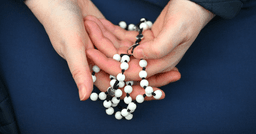
Thousands of Irish children to join global Rosary campaign
Corrie Douglas-Young Newsroom
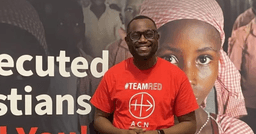
TikTok priest urges young people to stand with persecuted Christians
Nathalie Raffray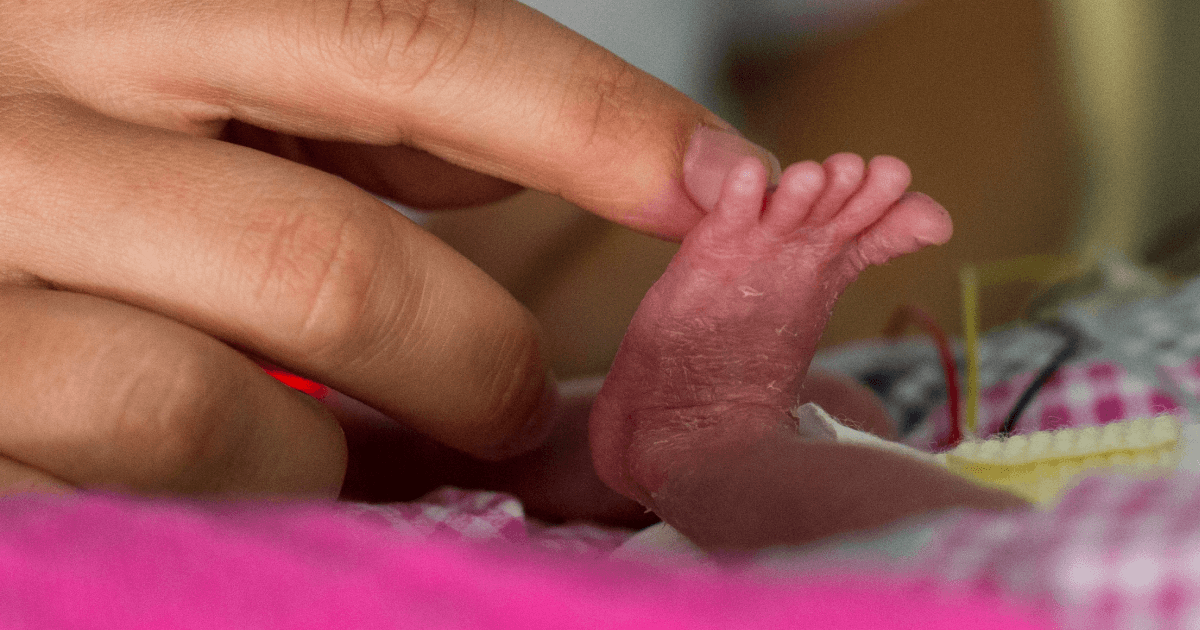 Newsroom
Baby born at 25 weeks reunites with neonatologist two years after leaving hospital
The Catholic Herald Newsroom
Joe Biden honoured by Planned Parenthood after defending abortion rights
Christine Rousselle
subscribe to the catholic herald today
Our best content is exclusively available to our subscribers. Subscribe today and gain instant access to expert analysis, in-depth articles, and thought-provoking insights—anytime, anywhere. Don’t miss out on the conversations that matter most.
Subscribe



