


Today’s feast, the Exaltation of the Cross, is, in many ways, a continuation of all that was celebrated on Good Friday. The cross has become the most universal symbol of our faith. On the roofs of our churches it designates places of worship. We wear it as jewellery around our necks. Its presence throughout our schools and in our homes, identifies them as communities grounded in faith. So widespread is the representation of the Cross that we can grow insensitive to what it truly represents. Let us always ensure that the crucifix has an honoured place in our homes and the places in which we gather. Writing shortly after Christ’s Crucifixion and death, St Paul described the Cross as a stumbling block to the Jews and as madness to others. It was scarcely surprising. Throughout the Roman world the cross became the instrument of the most humiliating and shameful death. Beyond its obvious cruelty, it represented a subjection that obliterated all hope. This was the cross exalted by St Paul. A cross that had represented shame and death, a madness denying life, became the instrument of God’s wisdom. On the Cross Christ embraced our death and shame, making it the instrument of new life. John’s Gospel describes the Crucifixion as a “lifting up” that embraced a sinful world. The Father, who so loved the world, sent his only Son, not to condemn the world, but so that through him the world might be saved. On the Cross Jesus took the condemnation and shame of a sinful world to himself. St John plays on the imagery of Moses raising up the representation of a serpent in the desert. Those who had sinned were saved when they looked up to the serpent bringing God’s forgiveness and healing. As his Passion drew near, Jesus spoke of the Cross as the hour of his glory. In being raised up, he would draw all men to himself. Ours is the shame that Jesus embraced on the Cross. As he was lifted up on the Cross, so were we lifted from shame and sin. In his letter to the Philippians, St Paul used an ancient hymn to reveal the Cross as a pattern for daily living. On the Cross we see one who did not cling to equality with God, but emptied himself to become as all men are. He was humbler yet, even to accepting death, death on a cross. There could be no greater contrast with the pretensions of sinful pride than the humility of Christ’s “self-emptying”. We cannot gaze upon the crucified Christ without asking: “What fills my life?” The possibilities are endless: pride, envy and resentment, to name but a few. These were the stumbling block dividing the community at Phillipi. For the healing in this divided community, Paul counselled that it must have the mind of Christ Jesus: to be emptied of every selfish thought and to become to each other as Christ was to us on the Cross. The Father embraced Christ’s emptiness on the Cross, raising him high and giving him a name above all other names. So it is with us when, in our repentance, we bring our emptiness to the Father. The Cross is indeed the pattern for daily Christian life. When the hidden heart is emptied of self, then – and only then – is the power of God at work within us, a power that brings us to the fullness of God.
4:49 PM
John’s Gospel describes the Crucifixion as a 'lifting up' that embraced a sinful world
The Exaltation of the Holy Cross, Nm 21:4B-9; Ps 78; Phil 2:6-11; Jn 3:13-17 (Year A)
Bishop David McGough

3 min read



Already a subscriber? Sign in
5freearticles every month
Continue reading with a free account. No card needed.
- Five free articles every thirty days, on any device you sign in on
- The Catholic Herald newsletter, every morning
- Subscribe whenever you like for everything: every article and the magazine
Related articles
 Newsroom
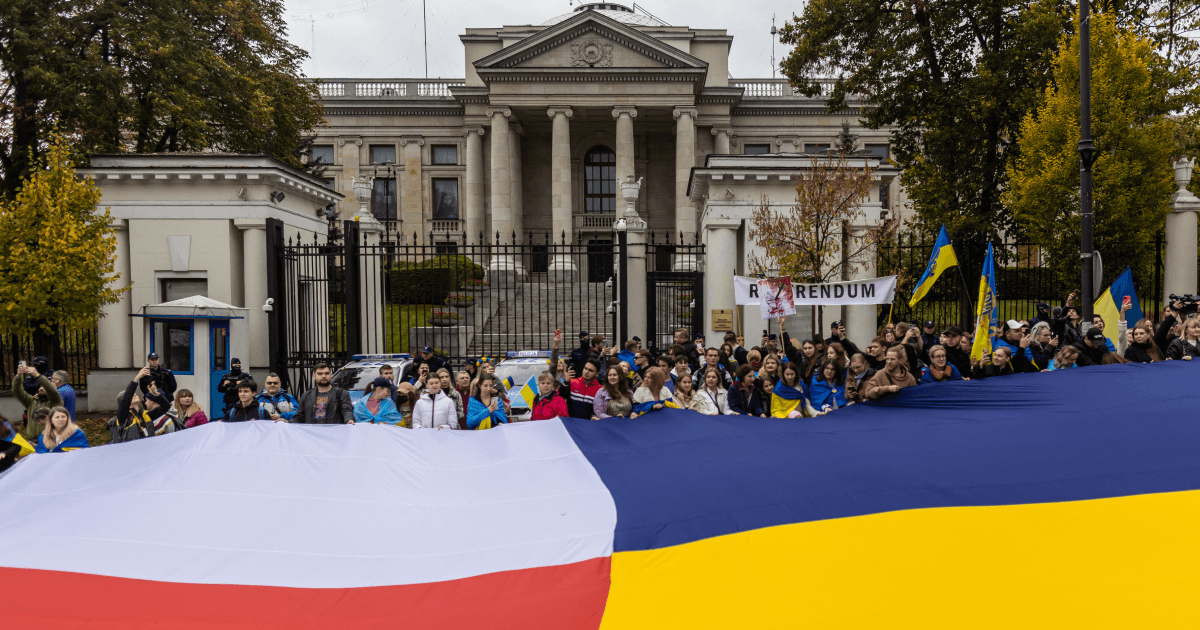
Injured priest tells Poles: ‘Do not blame Ukraine’ for convent attack
Fr Adrian Mantykiewicz, who was injured in the attack that killed a fellow priest, has urged Catholics to pray for the assailant and not blame Ukrainians for his actions
Corrie Douglas-Young Newsroom
Church leaders urge Drumcree dialogue: ‘Too much is at stake’
Corrie Douglas-Young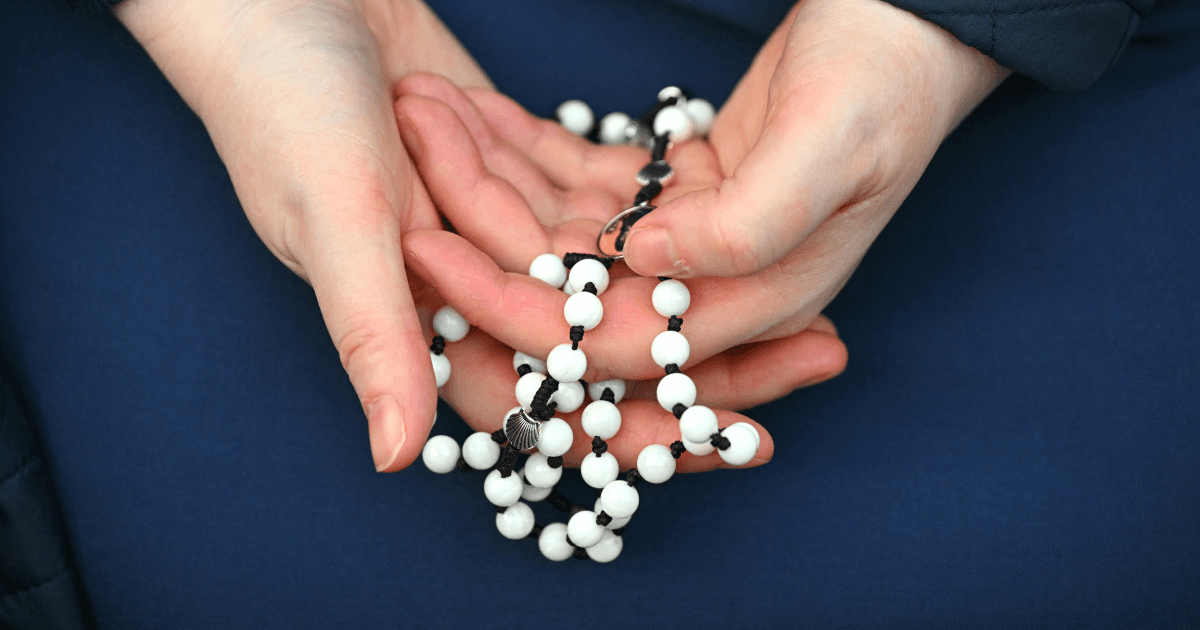 Newsroom
Thousands of Irish children to join global Rosary campaign
Corrie Douglas-Young Newsroom
TikTok priest urges young people to stand with persecuted Christians
Nathalie Raffray Newsroom
Baby born at 25 weeks reunites with neonatologist two years after leaving hospital
The Catholic Herald
subscribe to the catholic herald today
Our best content is exclusively available to our subscribers. Subscribe today and gain instant access to expert analysis, in-depth articles, and thought-provoking insights—anytime, anywhere. Don’t miss out on the conversations that matter most.
Subscribe



