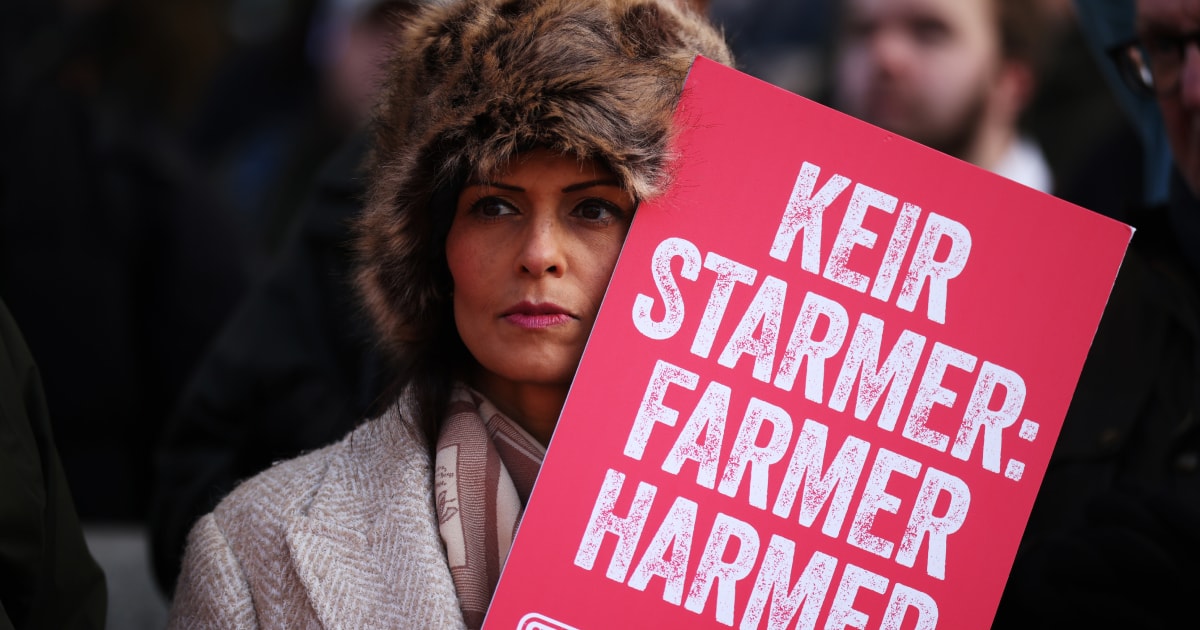



Attempting to claw back public favour after a year marred by political scandal and policy reversals, the UK government has announced a slew of animal welfare reforms over the Christmas period. Perhaps Keir Starmer hoped that the spirit of festive generosity would extend to his failing regime, and that a handful of cuddly headlines about puppies and wildlife might soften the mood and buy some goodwill.
It is the easiest political sell imaginable. Nobody writes angry letters demanding worse treatment for animals, and Labour is banking on the fact that its city dwelling core voters do not know enough about farming to recognise the lame duck being laid before them.

Labour is using animal welfare as a moral shield for policies that land squarely on the backs of farmers and rural communities, and not for the first time.
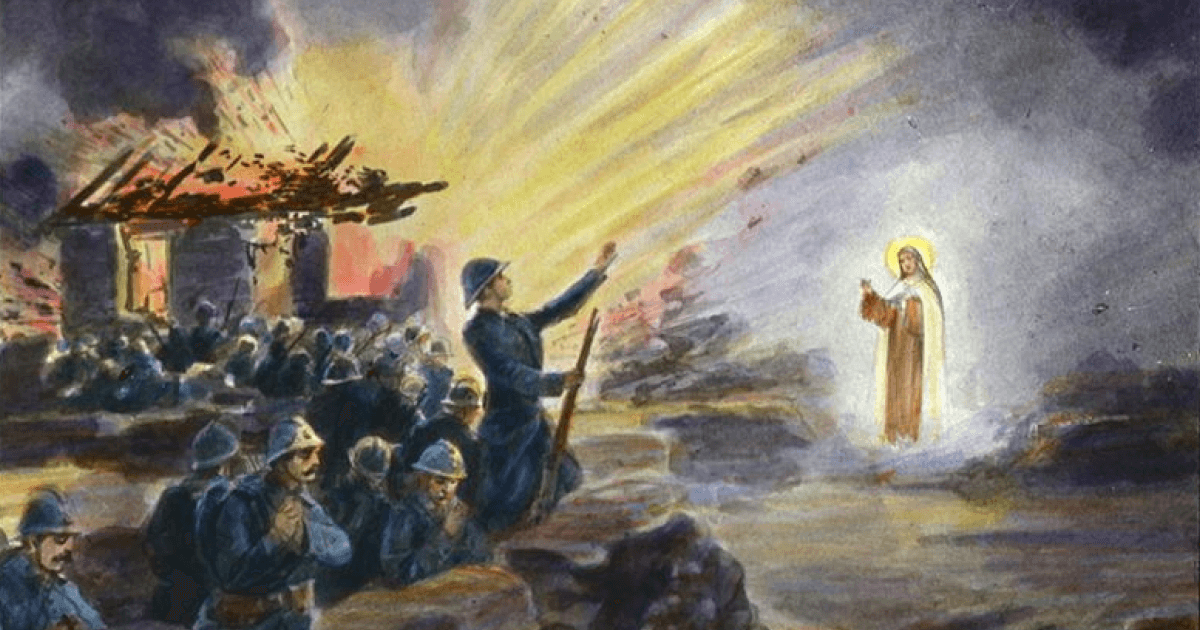
Take the most controversial proposal on the table right now, an outright ban on trail hunting. Ministers insist that it will close loopholes in the Hunting Act and stamp out illegal fox hunting once and for all. Cue the images of terrified cubs, nineteenth century aristocrats cackling on horseback, and that scene from Bambi that turned every toddler into an animal welfare activist.
However, such claims collapse under scrutiny. Trail hunting, where hounds follow an artificially laid scent rather than an actual animal, is not some shadowy workaround dreamed up to kill innocent animals and evade the law. It is the unhappy compromise rural communities settled for twenty years ago. It enables countryfolk to comply with the ban on hunting with dogs, while preserving a tradition that has sustained social lives and local economies across large swathes of the British countryside.
Banning trail hunts will not save foxes. It will, however, extinguish hunts that have long operated within the law, not because of evidence of widespread wrongdoing, but because they offend urban sensibilities. There were just 264 reports of illegal hunting last year, while thousands of non-fatal trail hunts went ahead without so much as a hint of harmed wildlife. Yet the Government’s position appears to be that because illegal activity might occur, perfectly lawful traditions should be prohibited altogether.
Perhaps even more frustrating is the false equivalence being drawn between animal abuse and predator control. Foxes are a pest. Anyone who keeps sheep or poultry knows this, and so do policymakers, however reluctant they may be to admit it. Most forms of modern hunting are not about pageantry or nostalgia, but about protecting livestock, and attempts to restrict pest control methods will not reduce animal deaths. Instead, Labour is simply shifting suffering onto the livestock that farmers rely on to feed Britain and earn a living.
This obsession with the supposed inhumanity of hunting sits alongside other reforms that will cripple agricultural Britain’s ability to protect its animals. Outlawing snare traps and tightening control over wildlife management ignores the fact that foxes are not simply targets for genteel sport. In many parts of rural England, culling foxes is an operational necessity. Yet Starmer’s inner circle appears intent on undermining legitimate and humane methods of predator management without offering anything better in return.
And then there is trade. Labour insists that domestic producers must meet ever more demanding standards, while quietly tolerating imports produced to far lower ones. British farmers will soon be banned from using farrowing crates, which enclose sows after they have given birth, and colony cages, which are used to house dozens of chickens at a time.
Farmers are told to raise welfare standards, absorb the economic burden, and compete anyway. And while they are forced to raise prices to compensate for increased costs, supermarkets will turn to the international market for food that looks indistinguishable but was produced under conditions no British farmer would be allowed to use.
It is a neat optics trick, morality at home and compromise at the border. British farmers already operate under some of the highest welfare regulations in the world. Many have invested heavily to meet them, while imports from countries such as Ireland, Poland, and Brazil are not held to the same standards. Tightening the rules again, without serious financial support or transitional planning, will be a death knell for many farms that already barely break even.
And these self proclaimed animal welfare reforms are only one strand of the wider assault on the countryside economy. Rachel Reeves’ inheritance tax raid has destroyed the ability to pass down farms that have been in families for generations. Proposals to tighten shotgun licensing threaten pest control and rural livelihoods alike. Environmental schemes increasingly encourage land to be taken out of food production altogether.
Each policy may seem sensible in isolation. Taken together, however, they amount to a steady constriction of rural life. Push family farms to the brink and they disappear. Production consolidates, reliance on foreign imports rises, and the decline of Britain’s agricultural landscape accelerates.
The Government does not treat farmers as skilled professionals or stewards of the land. Instead, it behaves as though they are an antiquated nuisance to be managed. Too traditional. Too resistant. Too untidy for a vision of progress shaped almost entirely by urban priorities.
Persecuting such communities carries little political risk when core voters have likely never set foot in a field, let alone farmed one. Farmers are not numerous, not fashionable, and certainly not common in the seats Labour is most concerned about losing or gaining. These are conservative heartlands, filled with people Labour has spent decades vilifying in the culture wars. Sacrificing them under the guise of animal welfare allows ministers to signal virtue to activists and donors while avoiding awkward questions about food security, resilience, and rural economies.
In each case, the stated rationale is that it is better for the animals or better for the planet. Instead, the result is a countryside squeezed from all sides by policies designed to punish a version of rural Britain that Labour neither understands or likes.
-ss.jpg)