


On the face of it, the German Catholic Church contradicts much of what Pope Francis stands for. In 2013, the Pontiff said he wanted “a poor Church for the poor”. That same year the German Church received almost £4.6 billion via the church tax. Francis is deeply suspicious of bureaucracy, yet few bishops’ conferences are as elaborately organised as the German one. The Pope is a champion of Confession, but in parts of Catholic Germany the sacrament has all but disappeared. Francis wants to win back the lost sheep, yet in Germany weekly Mass attendance is now a mere 10.8 per cent. (As many nominal Catholics still pay the church tax the bishops have little incentive to tackle declining participation.) The Pope is, nevertheless, associated with the German bishops theologically. He studied for a PhD in Germany and shortly after his election praised Cardinal Walter Kasper. He later invited the controversial theologian to address cardinals on the admission of remarried Catholics to Holy Communion. At last month’s family synod, the German-speaking bishops led the charge for change. We shall soon see if Francis endorses their approach when he releases his apostolic exhortation on the synod.
12:47 PM
Leading article: Taxing times for German bishops
Catholic Herald View

5 min read



Already a subscriber? Sign in
5freearticles every month
Continue reading with a free account. No card needed.
- Five free articles every thirty days, on any device you sign in on
- The Catholic Herald newsletter, every morning
- Subscribe whenever you like for everything: every article and the magazine
Related articles
 Newsroom
Church leaders urge Drumcree dialogue: ‘Too much is at stake’
The Catholic and Church of Ireland Archbishops of Armagh have urged a renewed commitment to peace and reconciliation amid the Drumcree stand-off
Corrie Douglas-Young Newsroom
Thousands of Irish children to join global Rosary campaign
Corrie Douglas-Young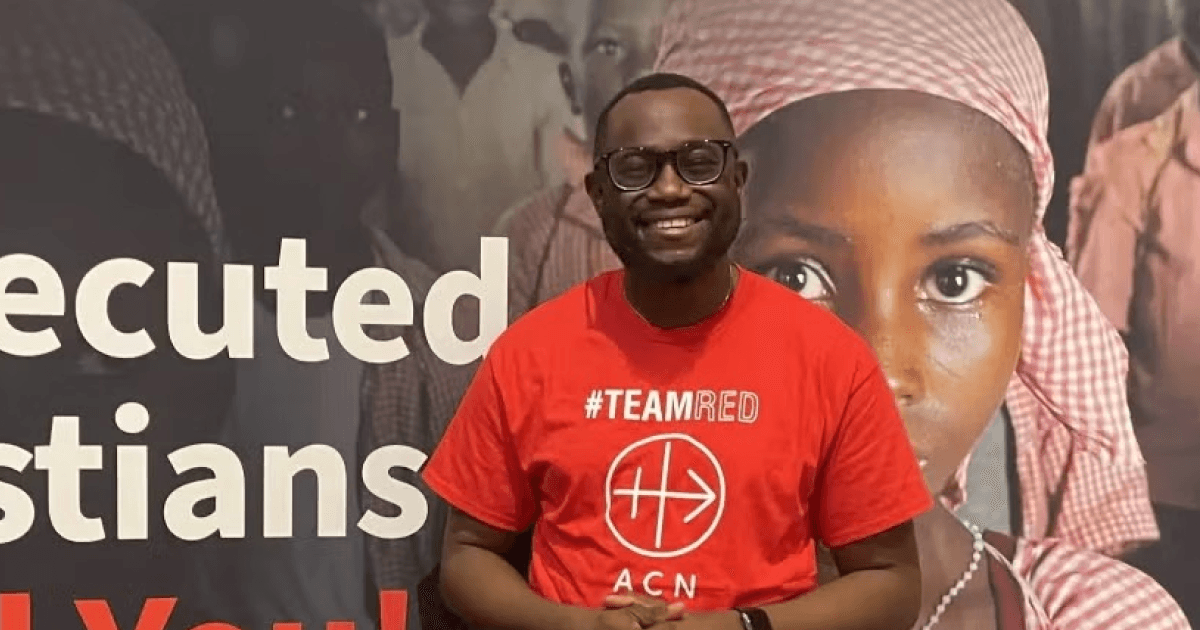 Newsroom
TikTok priest urges young people to stand with persecuted Christians
Nathalie Raffray Newsroom
Baby born at 25 weeks reunites with neonatologist two years after leaving hospital
The Catholic Herald Newsroom
Joe Biden honoured by Planned Parenthood after defending abortion rights
Christine Rousselle
subscribe to the catholic herald today
Our best content is exclusively available to our subscribers. Subscribe today and gain instant access to expert analysis, in-depth articles, and thought-provoking insights—anytime, anywhere. Don’t miss out on the conversations that matter most.
Subscribe



