



1 It was the 15th year of the rule of the Emperor Tiberius; Pontius Pilate was governor of Judea, Herod was ruler of Galilee, and his brother Philip was ruler of the territory of Iturea and Trachonitis; Lysanias was ruler of Abilene, 2 and Annas and Caiaphas were high priests. At that time the word of God came to John son of Zechariah in the desert. 3 So John went throughout the whole territory of the River Jordan, preaching “Turn away from your sins and be baptised, and God will forgive your sins.” 4 As it is written in the book of the prophet Isaiah: “Someone is shouting in the desert: ‘Get the road ready for the Lord; make a straight path for him to travel! 5 Every valley must be filled up, every hill and mountain levelled off. The winding roads must be made straight, and the rough paths made smooth. 6 The whole human race will see God’s salvation!’ ” – Luke 3:1-6 Other readings: Baruch 5:1-9; Psalm 126; Philippians 1:3-6, 8-11 LECTIO Luke wants people to be able to pin down the exact period of time he is talking about. He sees John the Baptist rooted in reality as he briefly moves centre stage. John’s story begins to unfold in Luke 1 and 2. Every Jew would have known about Tiberius the Roman emperor because Palestine was under Roman rule. Pontius Pilate, the local Roman ruler, had been notorious and they would probably have known about the various Herodian governors, or kings. The names of the high priests, Ananias and Caiaphas, would have also been instantly recognisable. Here, in this inflammatory political situation of Roman occupation, John began his God-given ministry in the Jordan valley. He preached a message of repentance and baptism. Those who were willing, and there were many, repented of their sins and were baptised publicly in the River Jordan. Luke makes a link between John’s ministry and a prophecy in the Book of Isaiah about a voice “shouting in the desert”. In Isaiah, it refers to the return of the exiled Jews, from Babylon to their homeland. John’s ministry points to Jesus and prepares the way for him. Luke sees a twofold meaning in this prophetic link. John is not only proclaiming a way home for the “exiles”; his voice “shouting in the desert” is also a chance for humankind to prepare their sinful, unreceptive and barren hearts for Jesus’s ministry. How? By “smoothing the path” and repenting of their sins. MEDITATIO Imagine you have been forced to live in another country, and as a slave, too. What might your feelings be? What would be top of your prayer list? Why do you think it was so important for Luke to link John’s ministry to historical people and events? John’s ministry was to prepare the way for people to meet Jesus. How can we prepare the way for people to meet Jesus today? What obstacles might people have and how can we help? ORATIO Psalm 126 is a psalm of thanksgiving for past deliverance and a plea for help. Thank God that our sins can be forgiven and praise him for the times he has rescued you in the past. Pray for those needing special help now. If these are hard times for you, perhaps you can ask someone to pray for you, too. Join Isaiah in praying that “the whole human race will see God’s salvation”. Pray especially for people that you know. CONTEMPLATIO The reading from Philippians offers a rich seam of joyful hope – make the promises there your own. During the coming week reflect on the Day of Christ and our hope of meeting Jesus when his work in us is complete. Ask God to shape your life so he brings glory to himself. Lectio divina is an ancient tradition of reading and engaging with God’s Word. These outlines for the Sunday Gospel readings are published by the Bible Society. Download at Biblesociety.org.uk/lectio. © 2008 United Bible Societies. Bible text Good News Translation, second edition © 1992 American Bible Society, New York
10:34 AM
Lectio Divina
Mgr Anthony Abela

4 min read



Already a subscriber? Sign in
5freearticles every month
Continue reading with a free account. No card needed.
- Five free articles every thirty days, on any device you sign in on
- The Catholic Herald newsletter, every morning
- Subscribe whenever you like for everything: every article and the magazine
Related articles
 Newsroom
Church leaders urge Drumcree dialogue: ‘Too much is at stake’
The Catholic and Church of Ireland Archbishops of Armagh have urged a renewed commitment to peace and reconciliation amid the Drumcree stand-off
Corrie Douglas-Young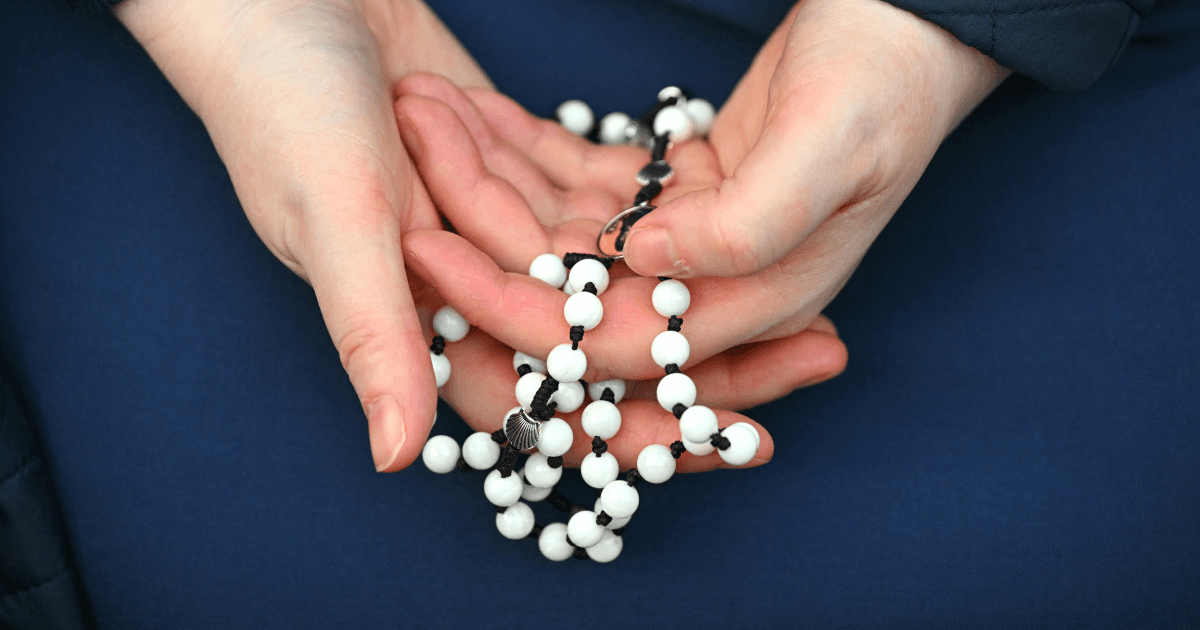 Newsroom
Thousands of Irish children to join global Rosary campaign
Corrie Douglas-Young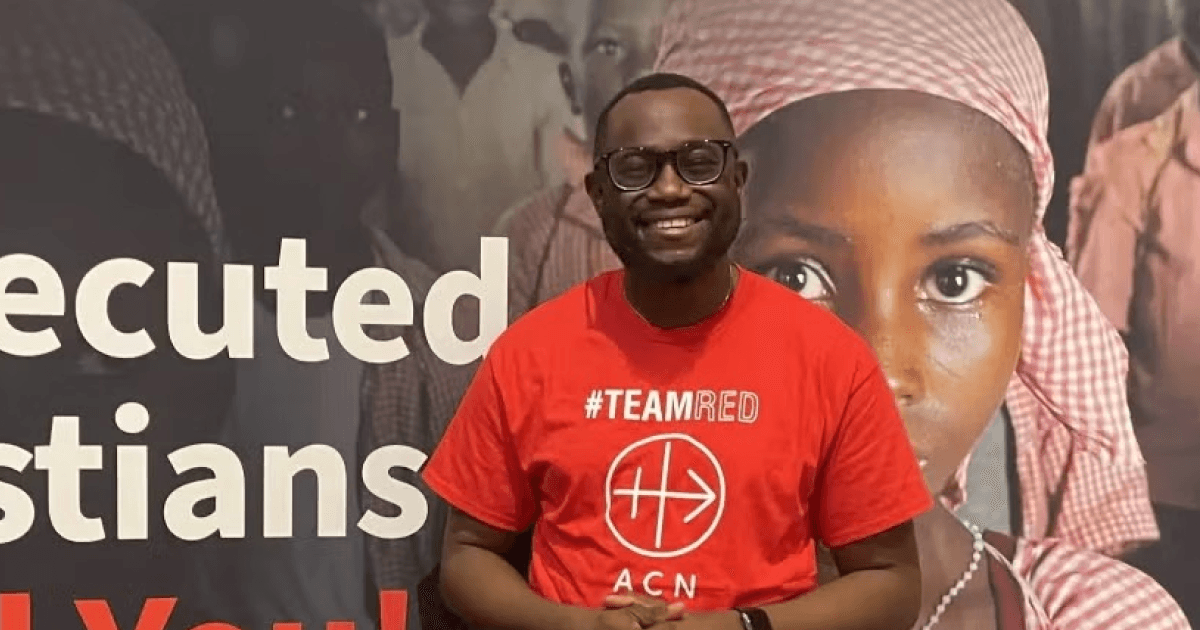 Newsroom
TikTok priest urges young people to stand with persecuted Christians
Nathalie Raffray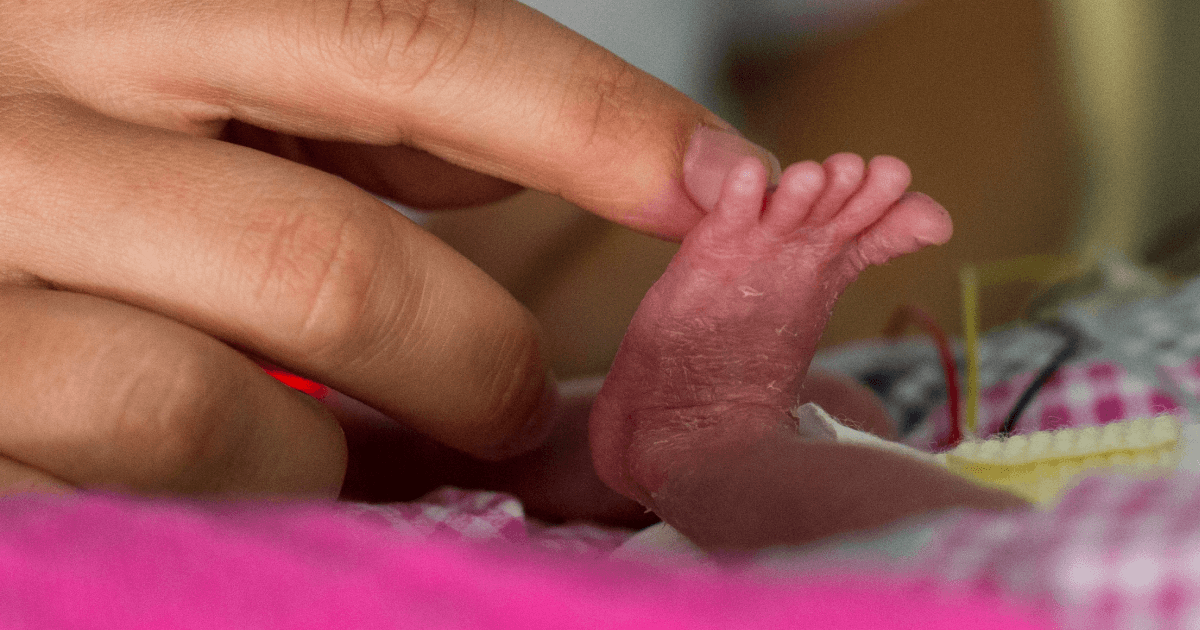 Newsroom
Baby born at 25 weeks reunites with neonatologist two years after leaving hospital
The Catholic Herald Newsroom
Joe Biden honoured by Planned Parenthood after defending abortion rights
Christine Rousselle
subscribe to the catholic herald today
Our best content is exclusively available to our subscribers. Subscribe today and gain instant access to expert analysis, in-depth articles, and thought-provoking insights—anytime, anywhere. Don’t miss out on the conversations that matter most.
Subscribe



