



March 4, 2026

Lenten sermon for a time of war

Brother René Stockman
More
Related
Min read
share

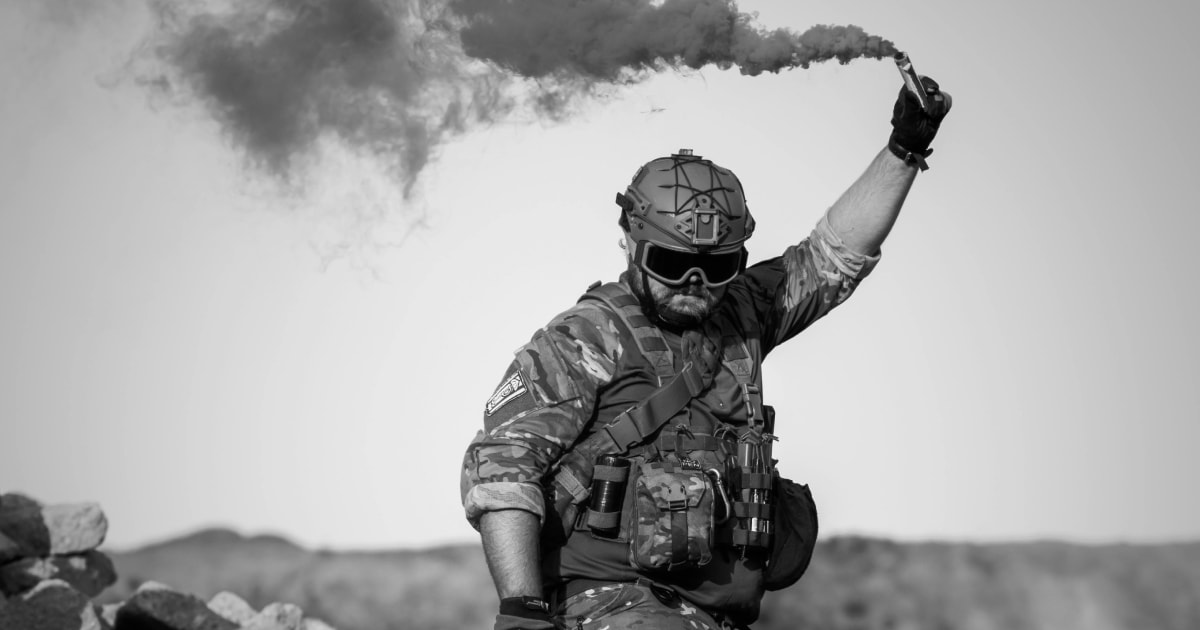
Every day we are confronted with apocalyptic images of war and violence flaring up in so many places around the world.  It is a world war being fought in fragments in different places, to quote Pope Francis.  Powerlessness, fear, but also anger arise in so many of us at all the suffering that these conflicts entail.  

The constant emergence of new hotspots of war causes the existing ones to be almost forgotten, so that the suffering of millions of people escapes our attention.  Almost every Sunday, during his Angelus prayer, we hear Pope Leo mention a new conflict for which he begs for peace like a voice crying in the wilderness and renounces all forms of armed violence.  But the bombs continue to fall, the drones continue to sow destruction, and instead of the dialogue proposed by the Pope, we hear only the word 'retribution'.  
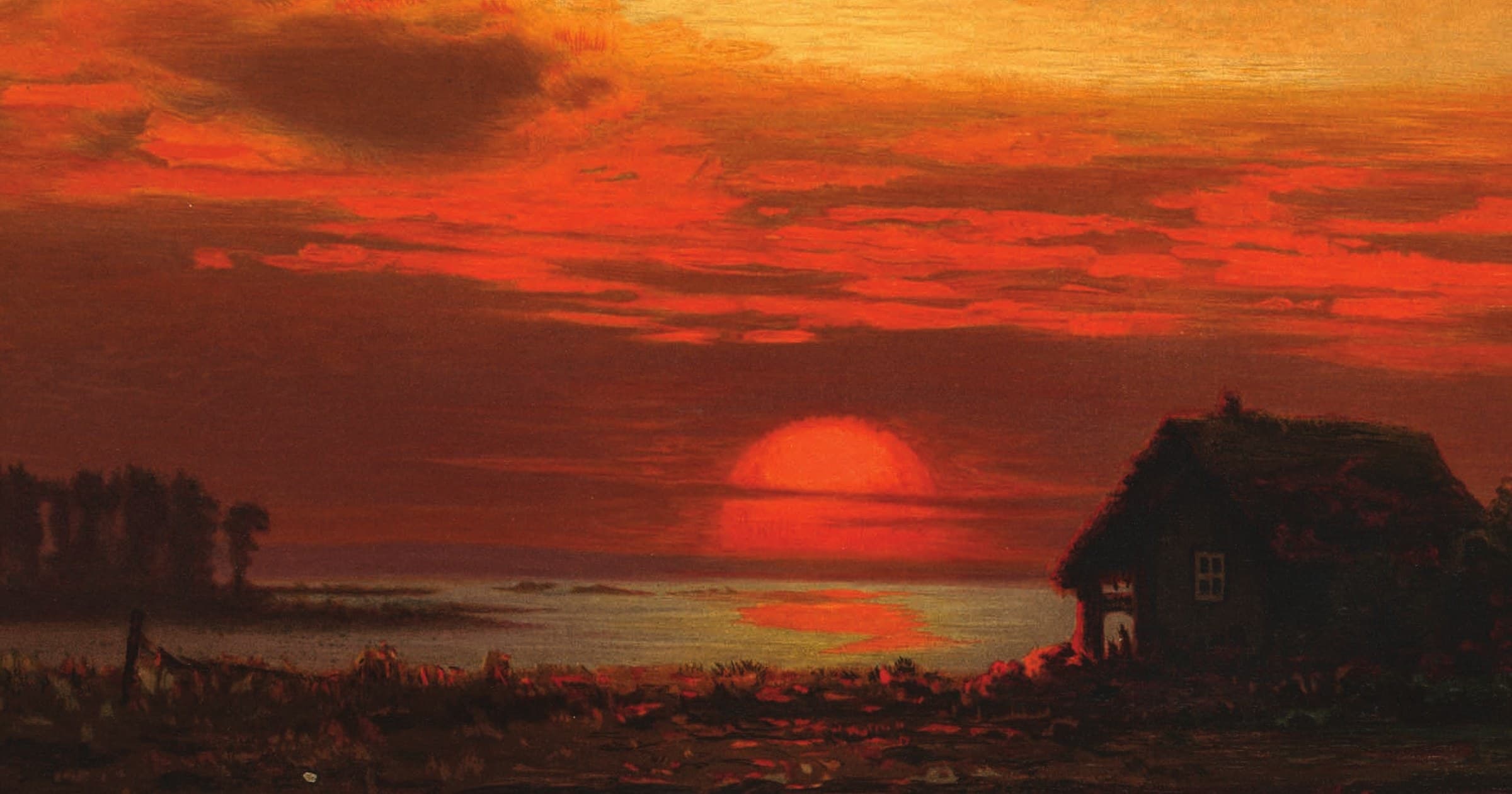
Meanwhile, we have entered Lent, which is supposed to set us on the path to Easter, the feast of the Resurrection. For some, this is limited to a quick ash cross on Ash Wednesday and attending a few services during Holy Week.  What lies in between is not much different from the rest of the year.  The fasting practices we used to know have almost completely disappeared, perhaps because they were often observed in a purely formalistic way, without the familiar words of the prophet Joel really sinking in: "Rend your hearts, not your garments" (Joel 2:13).  

Those who follow the daily liturgy, however, constantly hear the call to repentance, to conversion. Lent should therefore be a time par excellence when we take extra time to thoroughly evaluate our lives and ask ourselves how we are doing in terms of the passions whose disastrous consequences we now see worldwide.  For the passions of power, possession and pleasure also live in our hearts, and although passions as such are neutral and therefore truly part of our human nature, they are the gateways for the evil that tries so hard to get hold of us and incite us to wage small wars.  War with God, whom we want to remove from our lives because He disturbs us on our path to becoming our own god. War with ourselves because we have to admit that our good intentions to pursue our happiness in a healthy way are repeatedly thwarted by our passionate grasp for power, possessions and pleasure.  And also war with the people around us because they do not give us enough space to satisfy our passions  in our own way.  There are wars around us, but also often within us!

Perhaps we should make this Lent a very special time for praying for peace, at the various levels where this peace is disturbed and even totally absent.  It is always best to start with ourselves, by critically examining all the sources of aggression and lack of peace that breed within us and daring to confront them.  We may be surprised at how much lack of peace there is in our hearts that sours our lives and gives a negative interpretation to our relationship with ourselves, with others and with God.  Once again, it is a tried and tested method to allow our own efforts in this area to be nourished by God's grace.  However, we will not achieve much on our own alone, because some habits have become deeply ingrained in our hearts.  Opening ourselves daily to God's grace is therefore the basic condition for achieving the change that is necessary for peace to grow within us.  

And even though we know that we must watch helplessly as world peace is severely disrupted, we can still entrust this to God's grace and continue to pray for peace. Some will find this a drop in the ocean, others even naive and totally pointless, and we cannot expect God to intervene directly in what is happening now.  But we can and must pray that a seed of peace may be planted in the hearts of world leaders, just as our inner peace is always the result of our own efforts, inspired by God's grace.  

While the word "grace" may sound to many today like something from a bygone era, for us believers it remains the power given to us by God without us being able to quantify and prove it mathematically.  Bernanos did not shy away from putting the words "everything is grace" into the mouth of his protagonist at the end of his tragic life in his novel “Diary of a Country Priest”.  It remains something supernatural that is given to us and to which we must open ourselves, simply open ourselves and make room for it in our hearts.  Perhaps that is the first conversion we must undergo and therefore the first step we must take during this Lent: to put an end to our complacency, which draws us ever deeper into individualism, the most contagious disease of our time, and instead come to realise that we truly need God's grace to become what we are called to be as human beings.  It is only to the extent that we allow the divine to grow in our lives that we will also improve on a human level.  God is present in our lives, in the depths of our being, as Augustine so beautifully expressed it, but we must give Him the opportunity to come to life in us. Then His grace can work wonders, in our own lives and also in the world around us.  

Indifference to what is happening around us or cloaking ourselves in so-called neutrality is the worst thing we can do today. Love requires us to allow compassion into our lives and to truly empathise with the suffering of so many. Praying for those who suffer is also a form of compassion, sometimes the only form of compassion we can offer to so many at this moment.  It is the fourteenth work of the works of mercy that we practise here: praying for the living and the dead.  How meaningful that this is included in the series of works of mercy!  It is the final piece in our care for our fellow human beings and sometimes the only thing we can still give them.  We certainly must not withhold this gift from them.

Brother René Stockman is the former Superior General of the Congregation of the Brothers of Charity and a specialist in psychiatric caregiving.

Every day we are confronted with apocalyptic images of war and violence flaring up in so many places around the world.  It is a world war being fought in fragments in different places, to quote Pope Francis.  Powerlessness, fear, but also anger arise in so many of us at all the suffering that these conflicts entail.  

The constant emergence of new hotspots of war causes the existing ones to be almost forgotten, so that the suffering of millions of people escapes our attention.  Almost every Sunday, during his Angelus prayer, we hear Pope Leo mention a new conflict for which he begs for peace like a voice crying in the wilderness and renounces all forms of armed violence.  But the bombs continue to fall, the drones continue to sow destruction, and instead of the dialogue proposed by the Pope, we hear only the word 'retribution'.  
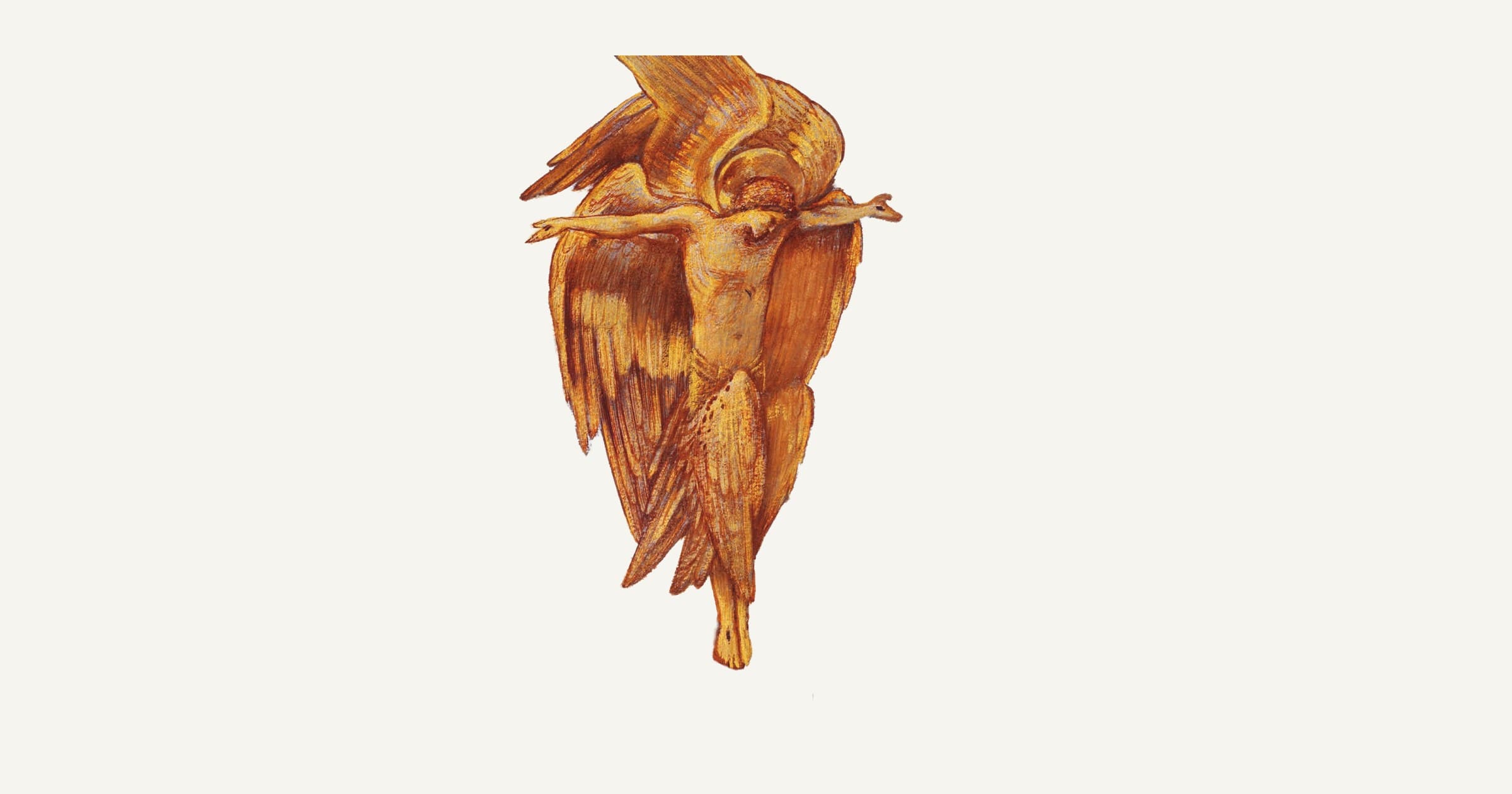
Meanwhile, we have entered Lent, which is supposed to set us on the path to Easter, the feast of the Resurrection. For some, this is limited to a quick ash cross on Ash Wednesday and attending a few services during Holy Week.  What lies in between is not much different from the rest of the year.  The fasting practices we used to know have almost completely disappeared, perhaps because they were often observed in a purely formalistic way, without the familiar words of the prophet Joel really sinking in: "Rend your hearts, not your garments" (Joel 2:13).  

Those who follow the daily liturgy, however, constantly hear the call to repentance, to conversion. Lent should therefore be a time par excellence when we take extra time to thoroughly evaluate our lives and ask ourselves how we are doing in terms of the passions whose disastrous consequences we now see worldwide.  For the passions of power, possession and pleasure also live in our hearts, and although passions as such are neutral and therefore truly part of our human nature, they are the gateways for the evil that tries so hard to get hold of us and incite us to wage small wars.  War with God, whom we want to remove from our lives because He disturbs us on our path to becoming our own god. War with ourselves because we have to admit that our good intentions to pursue our happiness in a healthy way are repeatedly thwarted by our passionate grasp for power, possessions and pleasure.  And also war with the people around us because they do not give us enough space to satisfy our passions  in our own way.  There are wars around us, but also often within us!

Perhaps we should make this Lent a very special time for praying for peace, at the various levels where this peace is disturbed and even totally absent.  It is always best to start with ourselves, by critically examining all the sources of aggression and lack of peace that breed within us and daring to confront them.  We may be surprised at how much lack of peace there is in our hearts that sours our lives and gives a negative interpretation to our relationship with ourselves, with others and with God.  Once again, it is a tried and tested method to allow our own efforts in this area to be nourished by God's grace.  However, we will not achieve much on our own alone, because some habits have become deeply ingrained in our hearts.  Opening ourselves daily to God's grace is therefore the basic condition for achieving the change that is necessary for peace to grow within us.  

And even though we know that we must watch helplessly as world peace is severely disrupted, we can still entrust this to God's grace and continue to pray for peace. Some will find this a drop in the ocean, others even naive and totally pointless, and we cannot expect God to intervene directly in what is happening now.  But we can and must pray that a seed of peace may be planted in the hearts of world leaders, just as our inner peace is always the result of our own efforts, inspired by God's grace.  

While the word "grace" may sound to many today like something from a bygone era, for us believers it remains the power given to us by God without us being able to quantify and prove it mathematically.  Bernanos did not shy away from putting the words "everything is grace" into the mouth of his protagonist at the end of his tragic life in his novel “Diary of a Country Priest”.  It remains something supernatural that is given to us and to which we must open ourselves, simply open ourselves and make room for it in our hearts.  Perhaps that is the first conversion we must undergo and therefore the first step we must take during this Lent: to put an end to our complacency, which draws us ever deeper into individualism, the most contagious disease of our time, and instead come to realise that we truly need God's grace to become what we are called to be as human beings.  It is only to the extent that we allow the divine to grow in our lives that we will also improve on a human level.  God is present in our lives, in the depths of our being, as Augustine so beautifully expressed it, but we must give Him the opportunity to come to life in us. Then His grace can work wonders, in our own lives and also in the world around us.  

Indifference to what is happening around us or cloaking ourselves in so-called neutrality is the worst thing we can do today. Love requires us to allow compassion into our lives and to truly empathise with the suffering of so many. Praying for those who suffer is also a form of compassion, sometimes the only form of compassion we can offer to so many at this moment.  It is the fourteenth work of the works of mercy that we practise here: praying for the living and the dead.  How meaningful that this is included in the series of works of mercy!  It is the final piece in our care for our fellow human beings and sometimes the only thing we can still give them.  We certainly must not withhold this gift from them.

Brother René Stockman is the former Superior General of the Congregation of the Brothers of Charity and a specialist in psychiatric caregiving.

subscribe to
the catholic herald

Continue reading your article with a subscription.
Read 5 articles with our free plan.
Subscribe

subscribe to the catholic herald today

Our best content is exclusively available to our subscribers. Subscribe today and gain instant access to expert analysis, in-depth articles, and thought-provoking insights—anytime, anywhere. Don’t miss out on the conversations that matter most.
Subscribe