


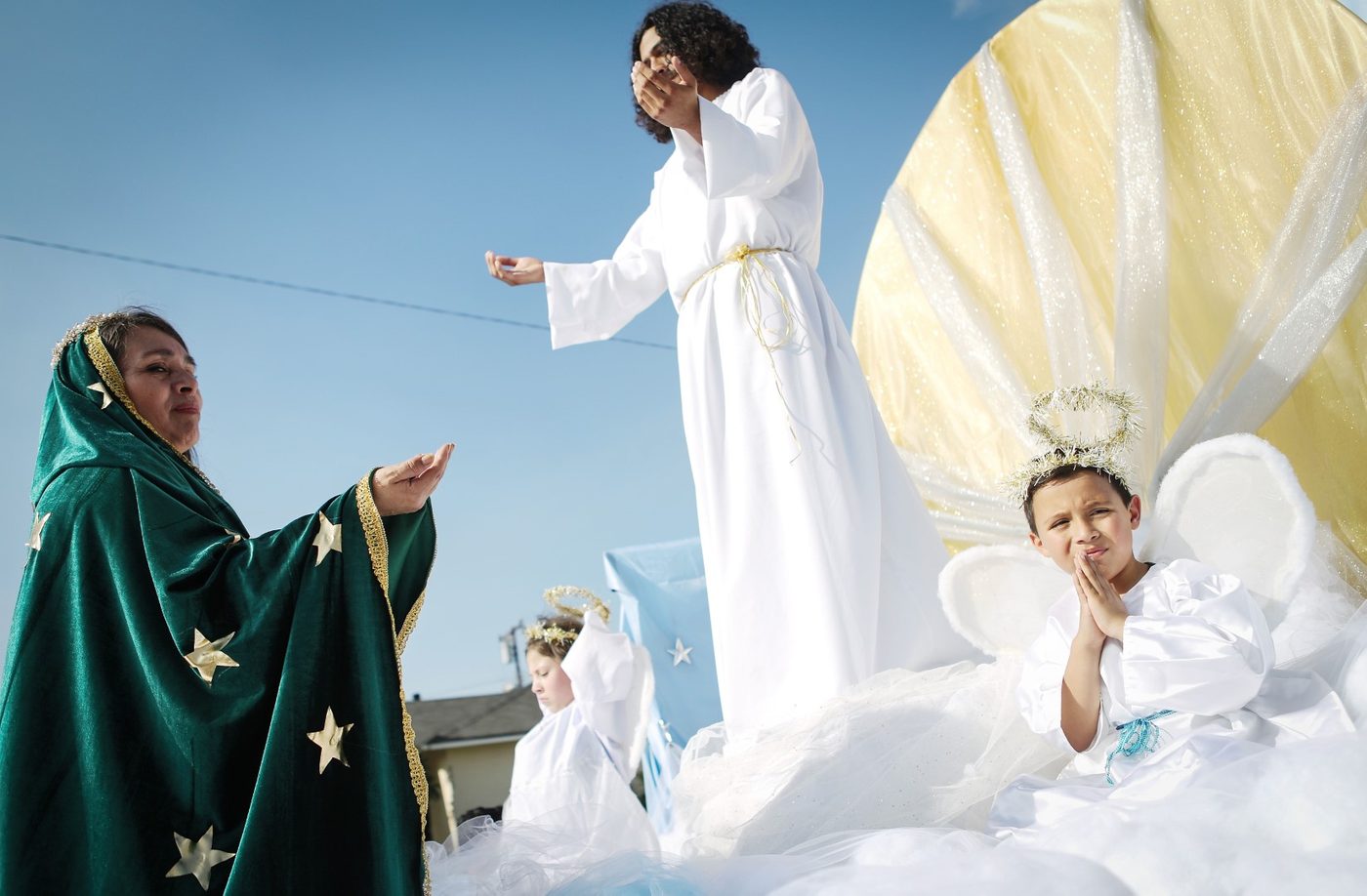
“I am pious Aeneas, who carries my household gods in my ship with me, having snatched them from my enemies.” This is the narrative that, for centuries, animated the Irish-American community. The subjugation of our ancestors by the British Empire took on a religious dimension, and the culture of Irish-American Catholicism became inextricably bound up with a struggle for freedom from tyranny. And so our “household god” – St Patrick – took on significance beyond the merely pious, and St Patrick’s Day became more than the feast of a great saint. It was a kind of Irish Hanukah: a day for our community to commemorate our ancestors’ flight from subjugation Ireland and into the promised land (via Ellis Island). All that changed when the Irish integrated into mainstream American life. Corporations realised they could use the holiday to market cheap beer, plastic green bowlers, and “Kiss Me I’m Irish” t-shirts. If everyone’s a little Irish on St Patrick’s Day, then no one’s really Irish at all. On the one hand, that’s a testament to the power of American assimilationism. On the other, the commercialisation of St Paddy’s Day did more to tear the Irish-American community from its Catholic roots than all the 19th-century nativists put together. It seems safe to assume that the newest wave of Catholic immigrants, the Latino Americans, will slowly undergo the same process. Their “household god” is Our Lady of Guadalupe, the patron of the Americas. Her feast on 12 December is marked devoutly by many Americans, but especially Latinos. Archbishop José Horacio Gómez, for one, celebrated a Mass on the feast in the Cathedral of the Angels in his archdiocesan seat of Los Angeles. In his homily, like the Irish-American priests of yore, he spoke to the fears and the hopes of exile:
10:31 AM
Let's not commercialise Our Lady of Guadalupe
There's a danger the feast will suffer the same fate as St Paddy's Day
Michael Warren Davis

4 min read



Already a subscriber? Sign in
5freearticles every month
Continue reading with a free account. No card needed.
- Five free articles every thirty days, on any device you sign in on
- The Catholic Herald newsletter, every morning
- Subscribe whenever you like for everything: every article and the magazine
Related articles
 Newsroom
Church leaders urge Drumcree dialogue: ‘Too much is at stake’
The Catholic and Church of Ireland Archbishops of Armagh have urged a renewed commitment to peace and reconciliation amid the Drumcree stand-off
Corrie Douglas-Young Newsroom
Thousands of Irish children to join global Rosary campaign
Corrie Douglas-Young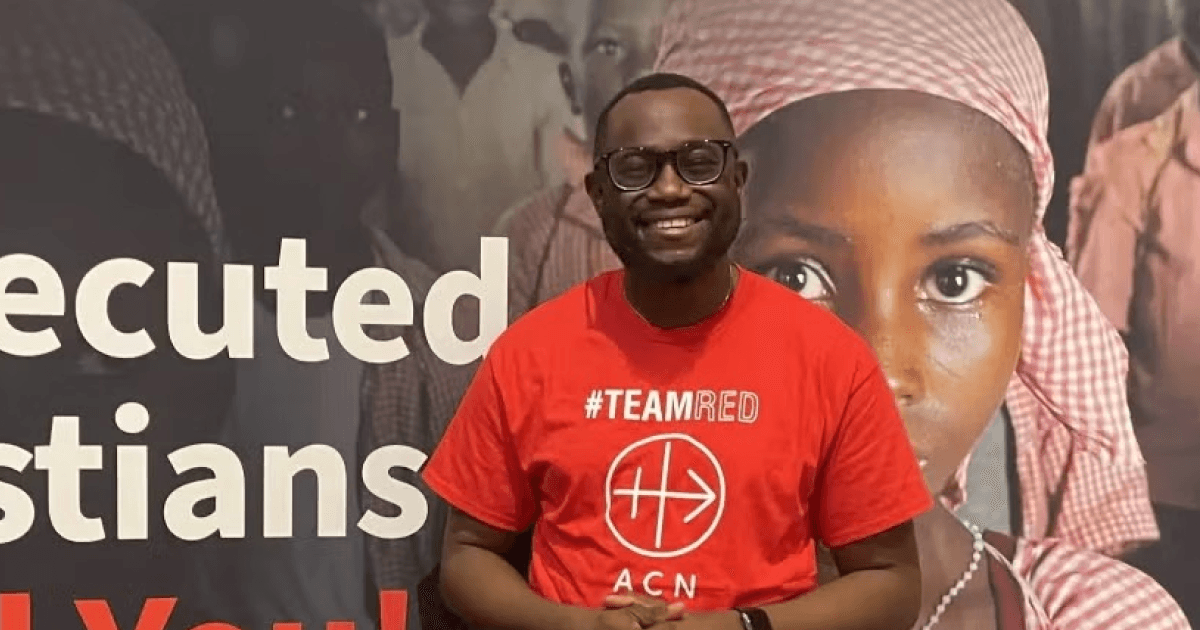 Newsroom
TikTok priest urges young people to stand with persecuted Christians
Nathalie Raffray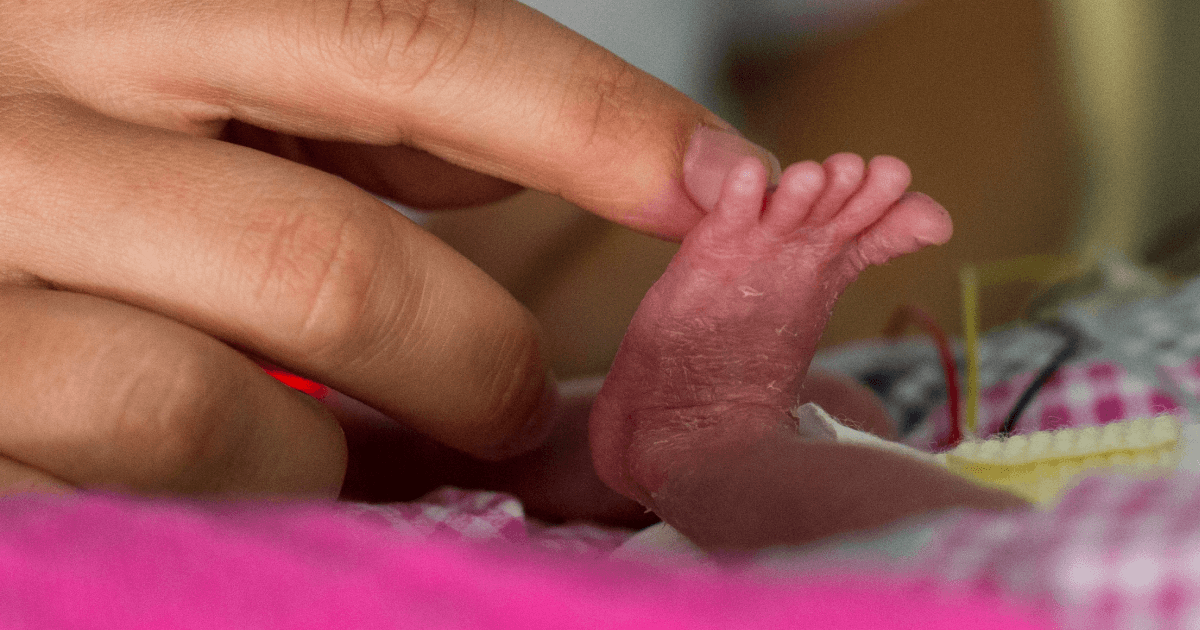 Newsroom
Baby born at 25 weeks reunites with neonatologist two years after leaving hospital
The Catholic Herald Newsroom
Joe Biden honoured by Planned Parenthood after defending abortion rights
Christine Rousselle
subscribe to the catholic herald today
Our best content is exclusively available to our subscribers. Subscribe today and gain instant access to expert analysis, in-depth articles, and thought-provoking insights—anytime, anywhere. Don’t miss out on the conversations that matter most.
Subscribe



