


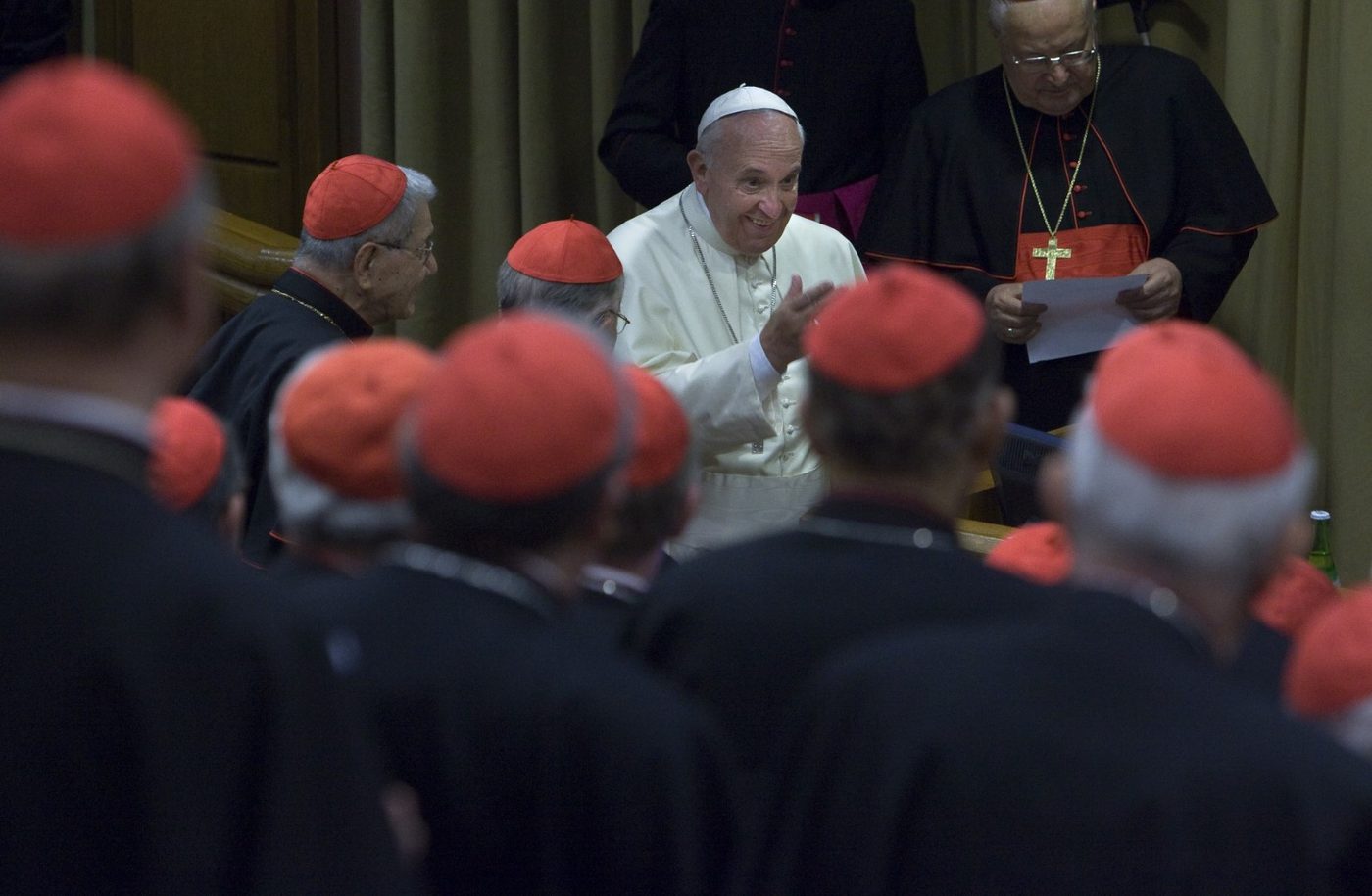
In summoning last October’s special meeting of the Synod of Bishops and the regular session of the Synod that will begin its work on October 5, Pope Francis called the entire Church to an open, wide-ranging, and honest discussion of the crisis of marriage and the family in the 21st century, and to a Gospel-centered exploration of what the Catholic Church might do to respond to this crisis with greater pastoral impact, thus renewing the vocation of marriage and restoring its lustre. Letters from the Synod is a response to that call. In the days immediately before Synod 2015, during the Synod, and for at least a few days after the Synod concludes on October 25, Letters from the Synod will offer reports on, and analysis of, the Synod, its issues and its process, from some of the most knowledgeable Catholic commentators in the English-speaking world. In addition, Letters from the Synod will provide links to insightful reporting and commentary from other sources, in the hope of facilitating the widest possible intelligent discussion of the important matters with which the Synod – and indeed the entire Catholic Church – must contend. Further, Letters from the Synod will feature interviews with bishops, theologians, and lay experts on marriage and the family, both those attending the Synod and those attending to business at home. Letters from the Synod will appear on the New York-based website of First Things, the London-based website of the Catholic Herald, and the Sydney-based website of the Catholic Weekly. In the spirit of open discussion encouraged by Pope Francis, readers are encouraged to share materials first appearing at Letters from the Synod with others. Much of the material in Letters from the Synod will be signed by the author(s) in question. The interview material will, of course, speak the mind of those being interviewed. Other material on Letters from the Synod will appear under the byline of our pseudonymous editor. “Xavier Rynne” introduced the world to what he dubbed “theological journalism” during the first session of the Second Vatican Council. One of the greatest of the Council’s theologians, Fr Henri de Lubac, SJ (named cardinal by John Paul II in 1983), described “Rynne”’s work as “certainly well-informed – although dramatising things in a one-side manner...without anything on the actual heart of the matter.” Xavier Rynne II pledges to deepen the tradition of “theological journalism” in Letters from the Synod, avoiding hyper-dramatisation while keeping a sharp eye on the heart of the matter at Synod 2015; or, to borrow from “Rynne” himself, spades will be called spades and, when necessary, knaves will be called knaves. Xavier Rynne II is also taking a cue from the Synod general secretariat, which, in 2014 and 2015, has taken the position that the bishops’ interventions at the Synod should be de facto pseudonymous, as they are the “property” of the Synod, will not be released publicly, and will be summarised by the Holy See Press Office in its briefings (which typically do not identify who-said-what). While we hope that this might be changed by action on the floor of the Synod in its opening days – one does not risk much by suggesting that the people of the Church have a right to know what their bishops are saying about matters that affect us all – there is also something to be said for the freedom of expression that is, according to the Synod secretariat, afforded to the bishop-delegates by the secretariat’s decision to put their interventions into a kind of synodal lockbox. Simili modo, we hope to afford those who wish to speak plainly, in charity but “behind the veil,” as it were, that very same freedom: the aim of which is to inform, not to insult, disparage, or demean. In the long view of history, Synod 2014 and Synod 2015 will likely appear as crucial markers along the difficult path that has been the Catholic Church’s encounter with, and challenge to, modernity, these past 250 years or so. So in reporting on Synod 2015, and in the commentary published in Letters from the Synod, we will try to keep in mind the larger historical, cultural, and ecclesial contexts of the Synod’s deliberations: which is not, to put it gently, the specialité de la maison in much of the world media. Thus in the days to come, some suggestions will be made in this space about the deeper issues being contested at Synod 2015, in the hope that our readers will see the Synod and its work as we like to imagine Pope Francis sees them: as set against a large and dramatic horizon, full of shadows, but also penetrated by rays of brilliant light, most of which emanate from the heart of the Risen Christ. XR2
12:00 PM
Letters from the Synod: September 29, 2015
Reports and commentary, from Rome and elsewhere, on the XIV Ordinary General Assembly of the Synod of Bishops
Xavier Rynne II

24 min read



Already a subscriber? Sign in
5freearticles every month
Continue reading with a free account. No card needed.
- Five free articles every thirty days, on any device you sign in on
- The Catholic Herald newsletter, every morning
- Subscribe whenever you like for everything: every article and the magazine
Related articles
 Newsroom
Church leaders urge Drumcree dialogue: ‘Too much is at stake’
The Catholic and Church of Ireland Archbishops of Armagh have urged a renewed commitment to peace and reconciliation amid the Drumcree stand-off
Corrie Douglas-Young Newsroom
Thousands of Irish children to join global Rosary campaign
Corrie Douglas-Young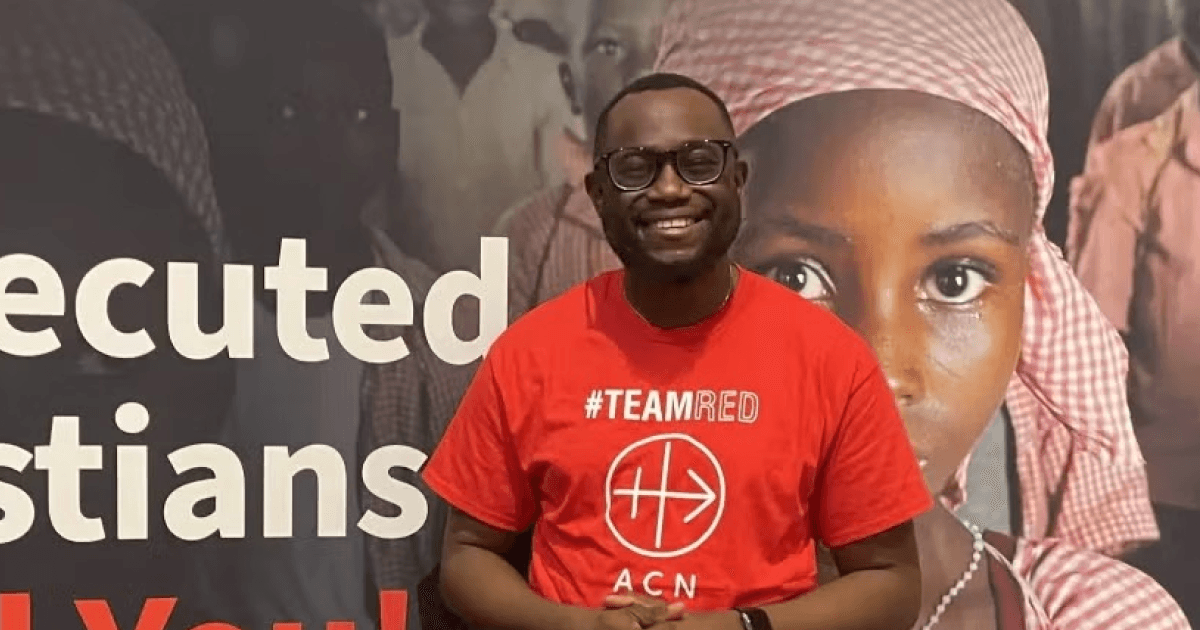 Newsroom
TikTok priest urges young people to stand with persecuted Christians
Nathalie Raffray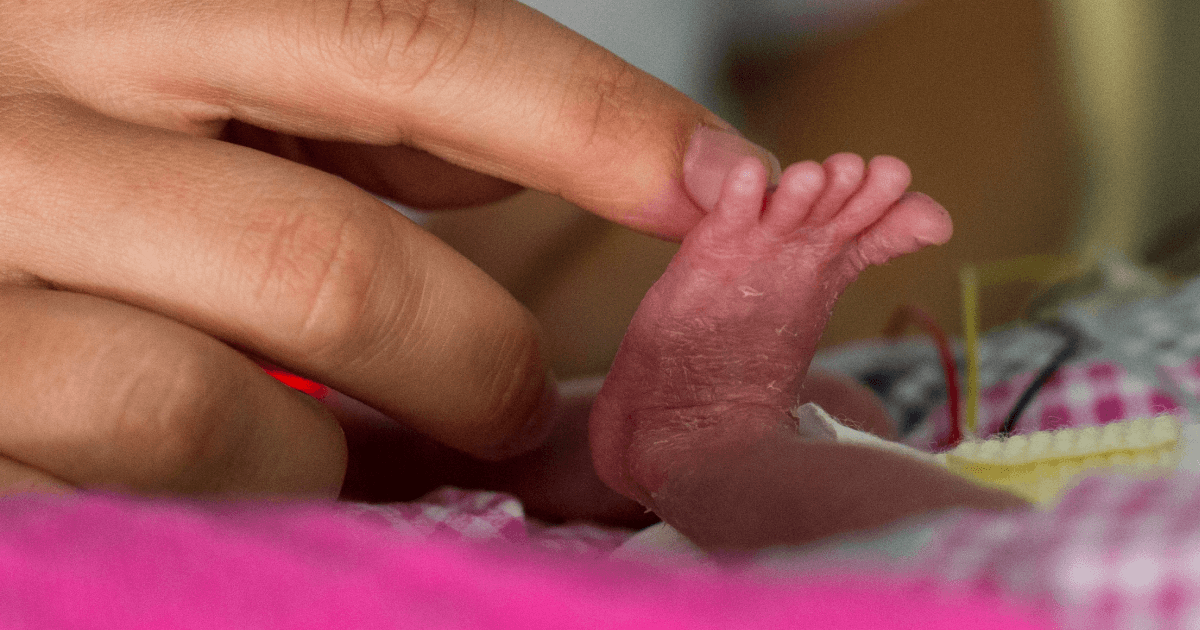 Newsroom
Baby born at 25 weeks reunites with neonatologist two years after leaving hospital
The Catholic Herald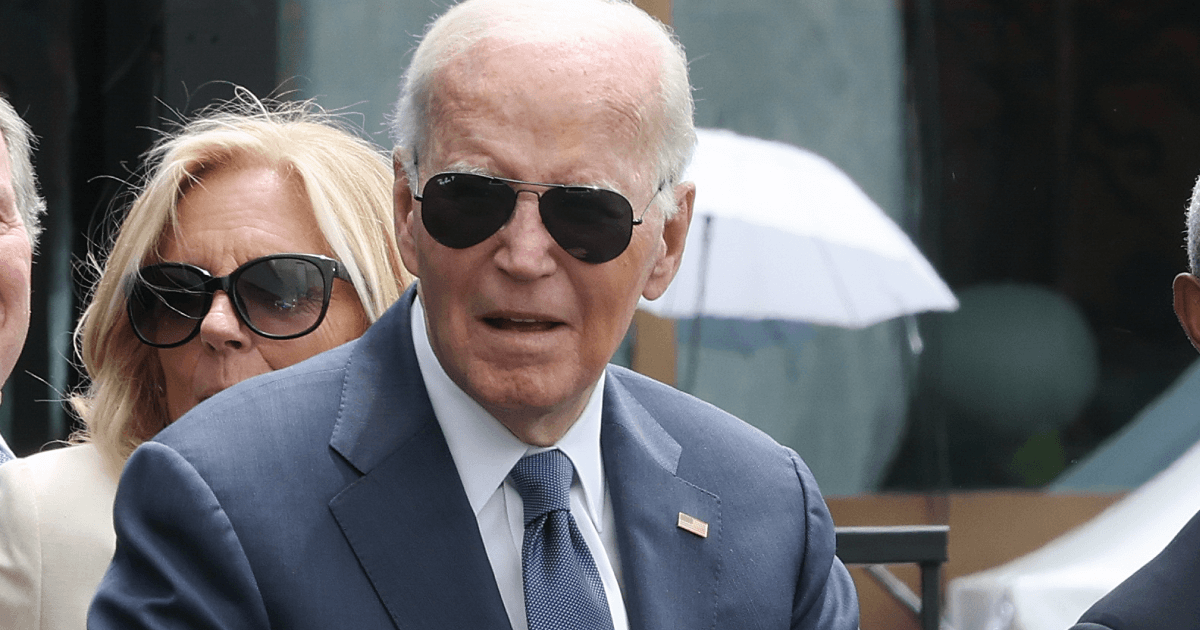 Newsroom
Joe Biden honoured by Planned Parenthood after defending abortion rights
Christine Rousselle
subscribe to the catholic herald today
Our best content is exclusively available to our subscribers. Subscribe today and gain instant access to expert analysis, in-depth articles, and thought-provoking insights—anytime, anywhere. Don’t miss out on the conversations that matter most.
Subscribe



