


I wonder how many of my readers have followed the very nasty story of Liam Stacey, the drunken student who, as the footballer Fabrice Muamba lay unconscious on the pitch as medical staff fought for his life, tweeted to the very few people who followed his tweets the astonishing words “LOL [laugh out loud]. F*** Muamba. He’s dead!!!” How drunk one has to be before one actually thinks of doing something so revolting, I don’t know; but he was at that point: he had, it seems, been drinking all day. This seems to me one of the worst features of the so-called “social media”: they operate utterly unreflectively. There is absolutely no pause for thought. Stacey was alone. Before the era of tweeting and texting he would have probably passed out and woken with a hangover: nobody would ever have known what had passed through his reeling consciousness; he would probably even have forgotten it himself. As it was, he tweeted his drunken ramblings virtually as they passed through his sodden brain. His tweet was then multiply retweeted, and spread exponentially : the whole thing then became almost like an online riot, with people tweeting sentiments just as revolting to him, to which he then replied. The Times writer David Aaronovitch, whose very sensible piece in that newspaper gave me the nerve to vouchsafe my views here (one needs nerve these days to write in a balanced way on a topic involving racism) tracked down some of the tweets to which Stacey had responded with his most offensive tweets: “One, a psychiatric nurse from Leeds, had tweeted Stacey calling him a ‘f****** pr***’. Another, to whom Stacey sent his most violent tweet, had already typed “you must be f****** barmy if you think a greasy little welsh sheep shagger could take on a f****** cockney you silly fat w*****”. This amiable person subsequently offered to come and burn Stacey and his family to death.” To these and similar sentiments Stacey replied with such gems as (to a twitterer somehow racially identifiable) “I ain’t your friend you wog c***. Go and pick some cotton.” There were others, apparently considerably more offensive, but since all the online accounts of the affair say they are too vile to quote, I don’t know what they were and can’t quote them myself. As the day wore on, Stacey sobered up, and realised what he had done. He became aware that he was in trouble. He started saying it was all a joke, then that he hadn’t meant it, then he claimed that his account had been hi-jacked by someone else, then he moved on to abject apology. But it was all too late: there had been complaints to the police. He was arrested, tried and found guilty. And he was then sentenced, not only to 56 days in prison, but as a consequence to expulsion from his University (Swansea) and the end of the ambition of his life. He was due to take his final exams, which would in the normal course of events have led to a degree in biology. He would then have begun whatever training one needs to do to become a forensic scientist. All that, now, has come to an end. His life is wrecked. One’s first reaction to this story was that this young man needed swatting, hard; he needed to be taught a lesson. But to effectively ruin his whole life for what he had done? There was surely something way over the top going on here. As the Independent’s columnist Musa Okwonga put it:
4:21 PM
Liam Stacey’s drunken racist Tweets, as Fabrice Muamba lay possibly dying, shocked us all: but his inhumane punishment should shock us too
It isn’t a judge’s business to reflect public outrage, but to act with judicial balance
William Oddie

6 min read



Already a subscriber? Sign in
5freearticles every month
Continue reading with a free account. No card needed.
- Five free articles every thirty days, on any device you sign in on
- The Catholic Herald newsletter, every morning
- Subscribe whenever you like for everything: every article and the magazine
Related articles
 Newsroom
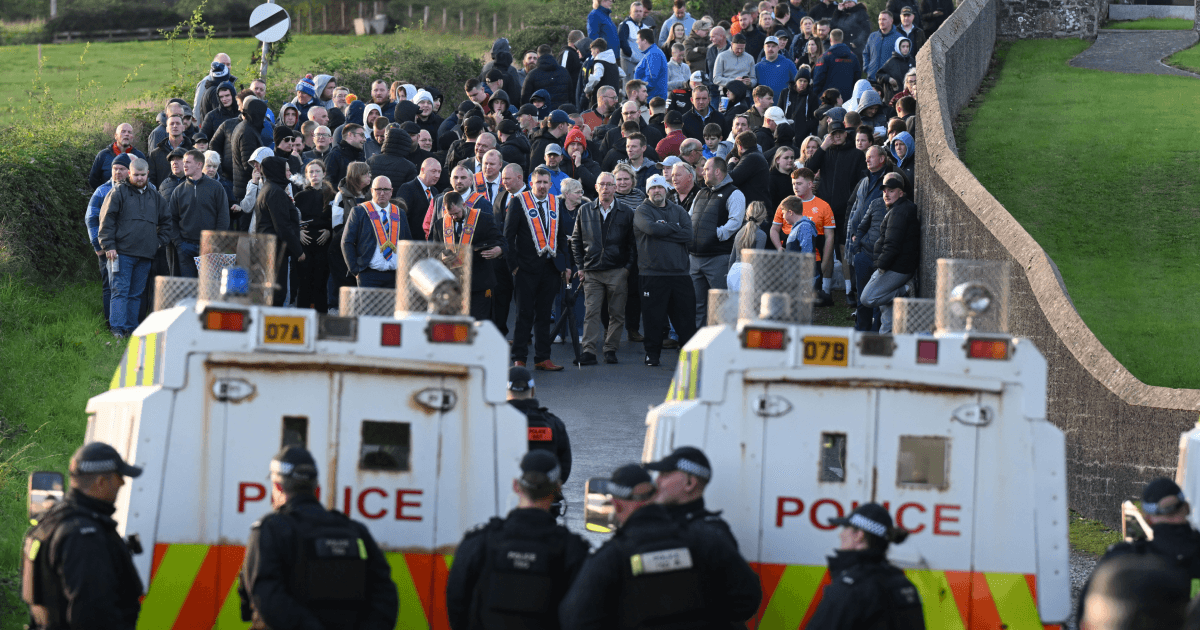
Church leaders urge Drumcree dialogue: ‘Too much is at stake’
The Catholic and Church of Ireland Archbishops of Armagh have urged a renewed commitment to peace and reconciliation amid the Drumcree stand-off
Corrie Douglas-Young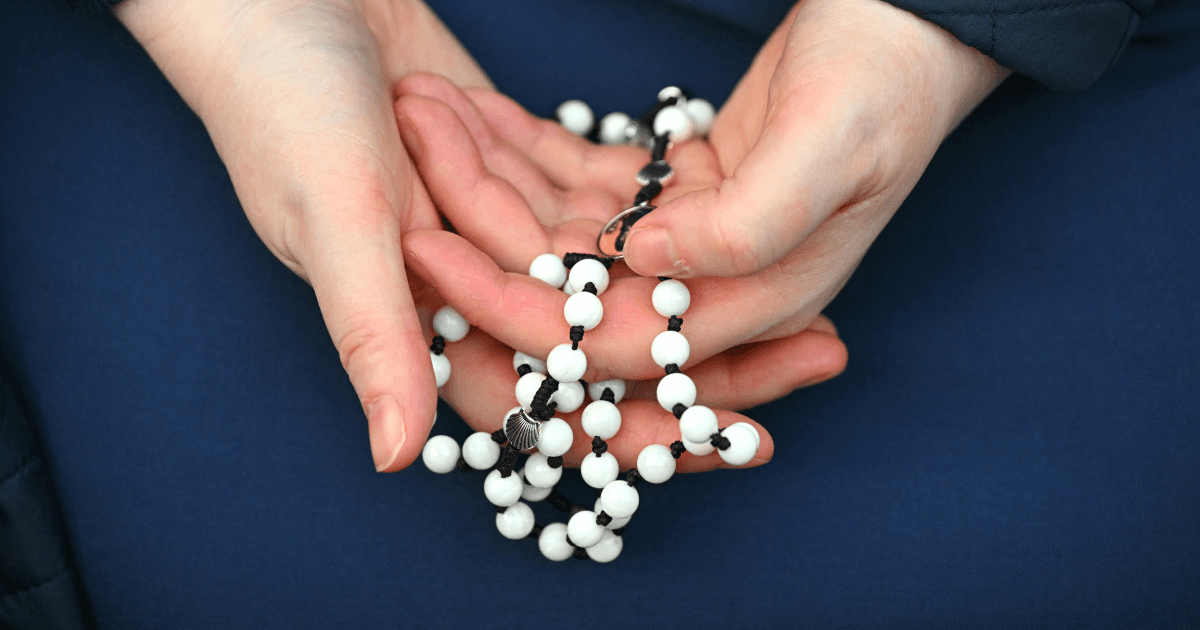 Newsroom
Thousands of Irish children to join global Rosary campaign
Corrie Douglas-Young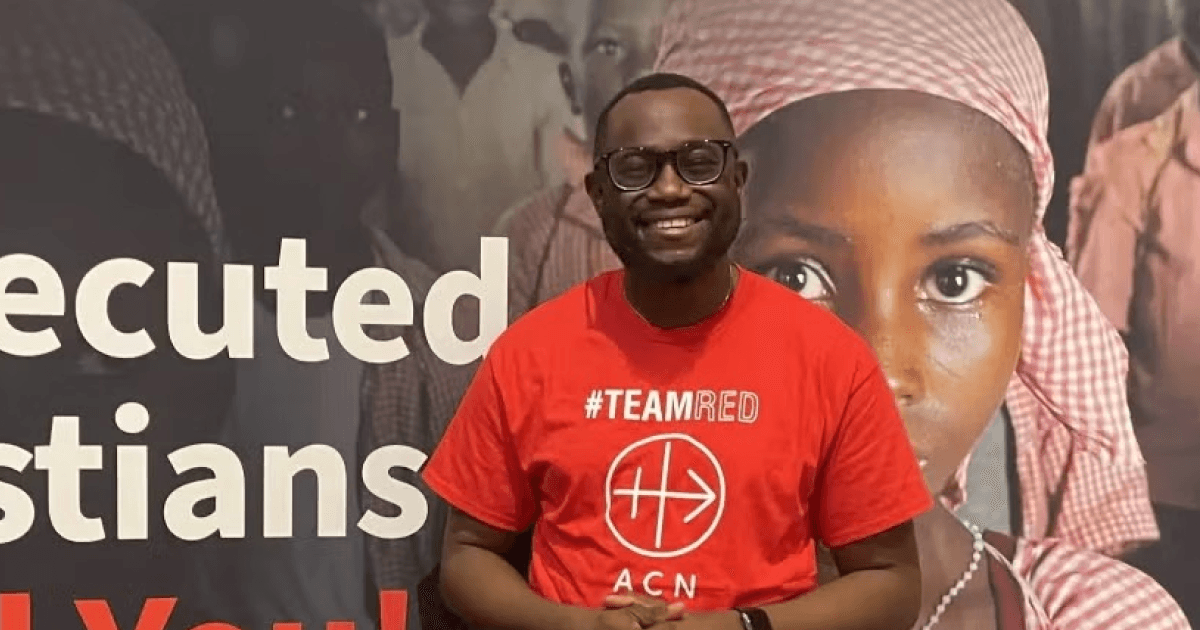 Newsroom
TikTok priest urges young people to stand with persecuted Christians
Nathalie Raffray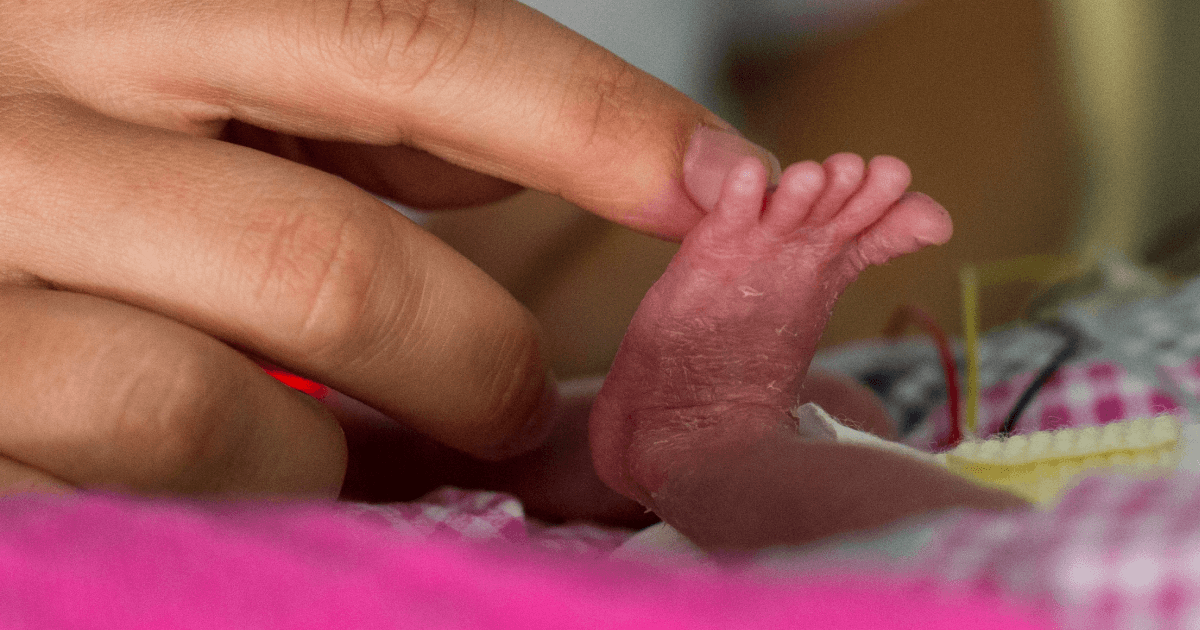 Newsroom
Baby born at 25 weeks reunites with neonatologist two years after leaving hospital
The Catholic Herald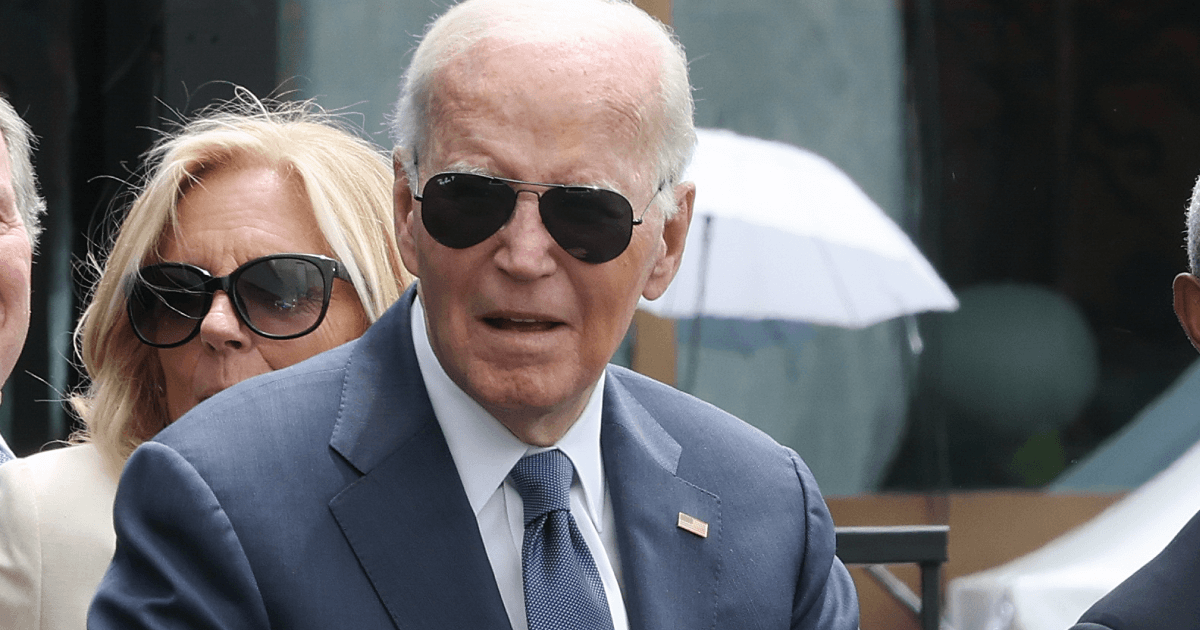 Newsroom
Joe Biden honoured by Planned Parenthood after defending abortion rights
Christine Rousselle
subscribe to the catholic herald today
Our best content is exclusively available to our subscribers. Subscribe today and gain instant access to expert analysis, in-depth articles, and thought-provoking insights—anytime, anywhere. Don’t miss out on the conversations that matter most.
Subscribe



