


On Easter Sunday it was striking how bright the light of Christianity shone over Europe, a continent lately plunged into darkness. Under cloudless skies in Rome, Pope Francis proclaimed the still staggering truth at the heart of our faith: that Christ is risen. This truth has profound social consequences, he said. For the risen Jesus “enables us to see with his eyes of love and compassion those who hunger and thirst, strangers and prisoners, the marginalised and the victims of oppression and violence”. The victims of violence have been depressingly numerous over the past week: 35 killed in the Brussels attacks, 32 at a football stadium in Iraq, at least 72 picnickers in Pakistan. Others, perhaps, died far from the media spotlight. The Pope urged the faithful not to despair before this carnage, but instead to “blaze trails of reconciliation with God and with all our brothers and sisters” this Eastertide. This is precisely what Europe needs as it faces another time of testing, with jihadists hunkering down in safe houses and self-styled fascists marching in the Belgian capital’s streets. Successive popes have urged the continent’s leaders not to see the Church as an irritant but as an ally in binding diverse peoples together. That was Pope Francis’s message in his memorable address to the European Parliament in 2014. In words that seem prescient today, he argued that “the great ideas which once inspired Europe seem to have lost their attraction, only to be replaced by the bureaucratic technicalities of its institutions”. Comparing the continent to “a ‘grandmother’ no longer fertile and vibrant”, he concluded: “The time has come for us to abandon the idea of a Europe which is fearful and self-absorbed.” But the continent’s decrepitude cannot be blamed solely on technocrats in shiny suits. We as Christians also have our share of responsibility. It is our duty to ensure that Europe is a welcoming place for the unborn, an economically just place for the living and a caring place for the dying. Too often we have held back on these matters for fear of giving offence or being cast as intolerant. But when fundamental principles are at stake we should not succumb to self-censorship. Nor must we forget our essential task. St John Paul II defined this well in his 2003 apostolic exhortation Ecclesia in Europa. The continent, he said, needed to make “a qualitative leap” in recognising its spiritual heritage. “The impetus for this,” he wrote,” can only come from hearing anew the Gospel of Jesus Christ. It is the responsibility of all Christians to commit themselves to satisfying this hunger and thirst for life.” We must never seek to impose the Gospel; rather, we must offer it tenderly, like bread and water to the starving and dehydrated. Evangelisation is, ultimately, an act of charity. If we can combine the proclamation of the Gospel with the charitable gestures that Pope Francis spoke of on Sunday, then we will have something truly life-giving to offer Europe.
1:00 PM
Light in the darkness
Staff writers

5 min read



Already a subscriber? Sign in
5freearticles every month
Continue reading with a free account. No card needed.
- Five free articles every thirty days, on any device you sign in on
- The Catholic Herald newsletter, every morning
- Subscribe whenever you like for everything: every article and the magazine
Related articles
 Newsroom
Church leaders urge Drumcree dialogue: ‘Too much is at stake’
The Catholic and Church of Ireland Archbishops of Armagh have urged a renewed commitment to peace and reconciliation amid the Drumcree stand-off
Corrie Douglas-Young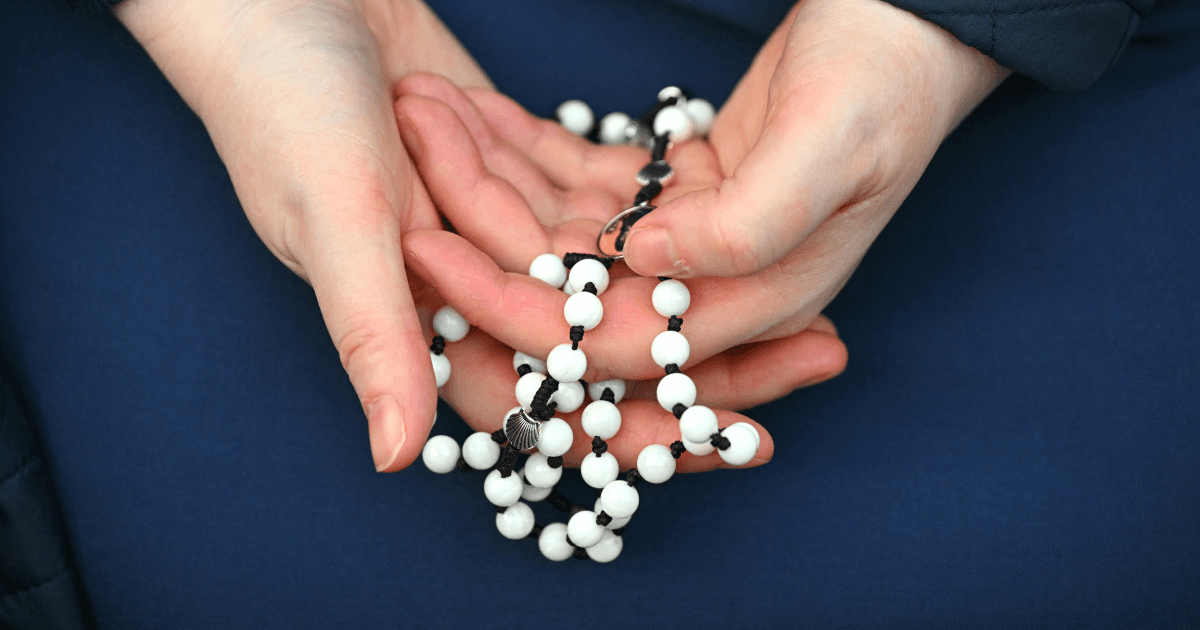 Newsroom
Thousands of Irish children to join global Rosary campaign
Corrie Douglas-Young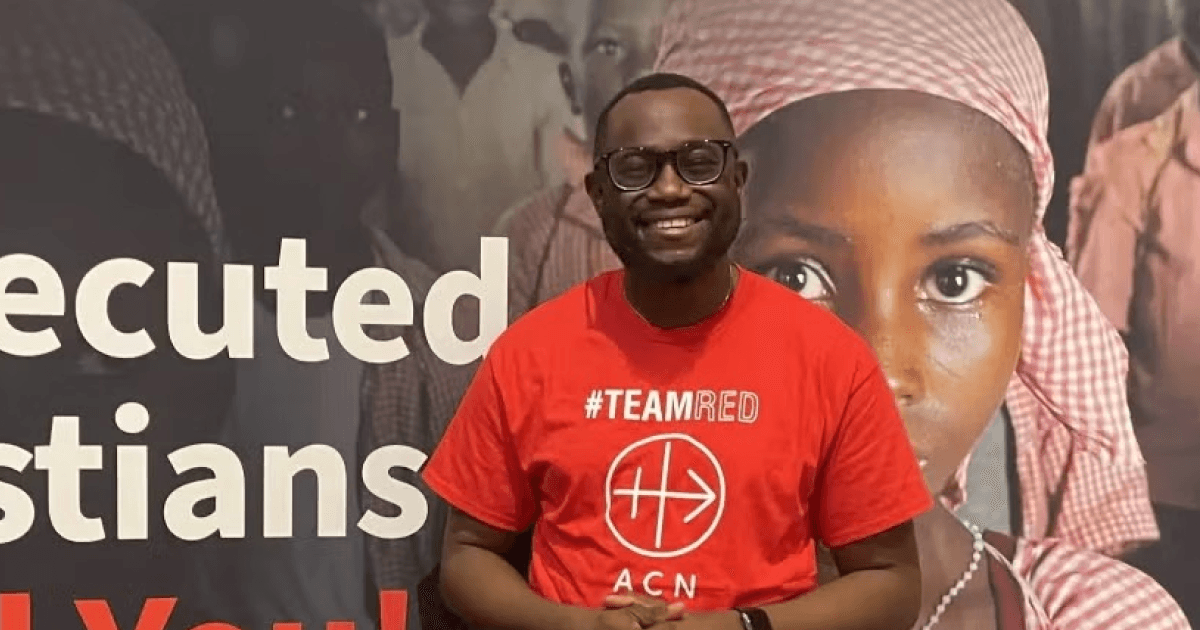 Newsroom
TikTok priest urges young people to stand with persecuted Christians
Nathalie Raffray Newsroom
Baby born at 25 weeks reunites with neonatologist two years after leaving hospital
The Catholic Herald Newsroom
Joe Biden honoured by Planned Parenthood after defending abortion rights
Christine Rousselle
subscribe to the catholic herald today
Our best content is exclusively available to our subscribers. Subscribe today and gain instant access to expert analysis, in-depth articles, and thought-provoking insights—anytime, anywhere. Don’t miss out on the conversations that matter most.
Subscribe



