Last Wednesday, at 9pm, I had a splendid choice of murder programmes to watch. There was White House Farm, about the 1985 Jeremy Bamber murders (I’m convinced he did it) on ITV. There was a new series of Silent Witness on BBC One. And, on BBC Two, there was The Disappearance of Margaret Fleming, about a 19-year-old murdered in Scotland in 1999. In 1946, George Orwell, who died 70 years ago on January 21, 1950, wrote Decline of the English Murder. He describes the fascination of News of the World readers with juicy, classic, old-fashioned murders that involve poison, money or social advancement. Their perfect murder was a slow-burner. As Orwell wrote, “The murderer should be a little man of the professional class – a dentist or a solicitor, say … He should go astray through cherishing a guilty passion for his secretary or the wife of a rival professional man, and should only bring himself to the point of murder after long and terrible wrestles with his conscience.” These perfect murders, Orwell said, were being replaced by sordid, quickfire, salacious killings – like the 1944 Cleft Chin Murder, where a couple on the run ran over a nurse, beat up a hitchhiker and murdered a taxi driver who had a cleft chin. The couple had only known each other for six days – unlike in the old-fashioned perfect murders, which depended on toxic, decades-long marriages or lengthy affairs. Orwell, as ever, is still spot-on today. The British public – me included – is still captivated by a good murder; any sort of murder. But what they really like is a horrific one like the Jeremy Bamber case – where a rich, middle-class, good-looking man hatches a long-term, considered plan to kill his parents, sister and two nephews in a rural, picture-postcard setting in Essex. In other words, a real-life Midsomer Murders.
12:00 AM
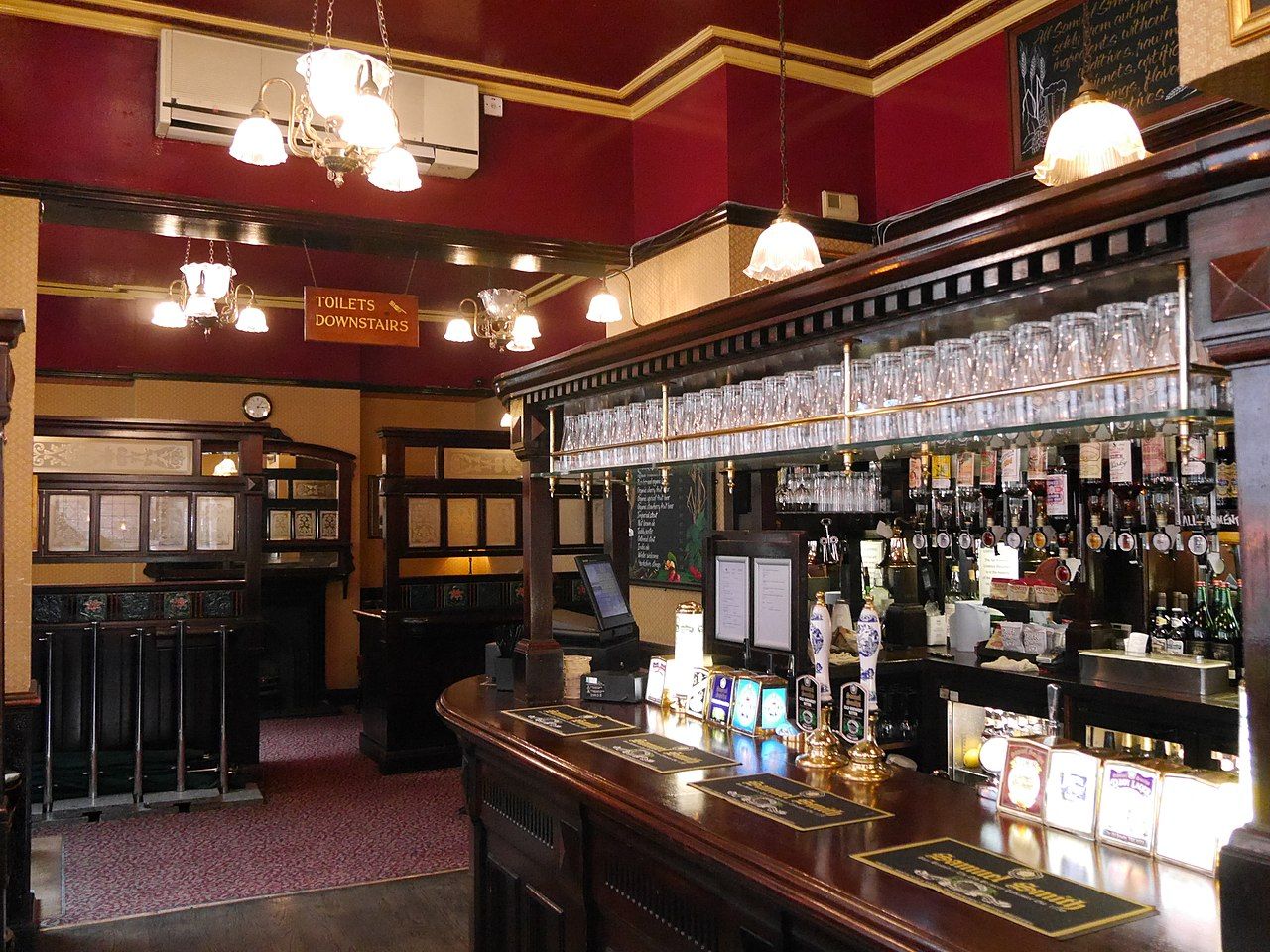
London's nearly perfect pub
last wednesday, at 9pm, i had a splendid choice of murder programmes to watch. there was white house farm, about the 1985 jeremy bamber murd...
Harry Mount

5 min read



Already a subscriber? Sign in
5freearticles every month
Continue reading with a free account. No card needed.
- Five free articles every thirty days, on any device you sign in on
- The Catholic Herald newsletter, every morning
- Subscribe whenever you like for everything: every article and the magazine
Related articles
 Chapter House
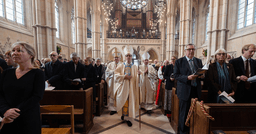
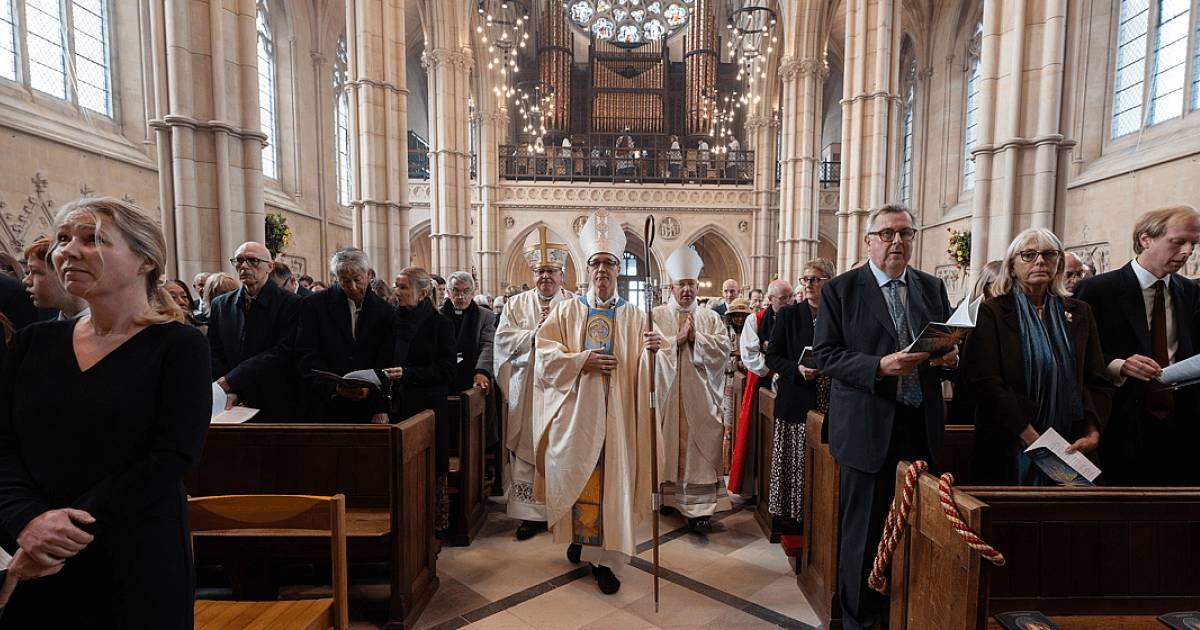
In Pictures: Episcopal Consecration of Stephen Wang as Bishop of Arundel & Brighton
More than 600 people gathered at Arundel Cathedral for the episcopal ordination of Bishop Stephen Wang, who becomes the sixth Bishop of Arundel and Brighton
The Catholic Herald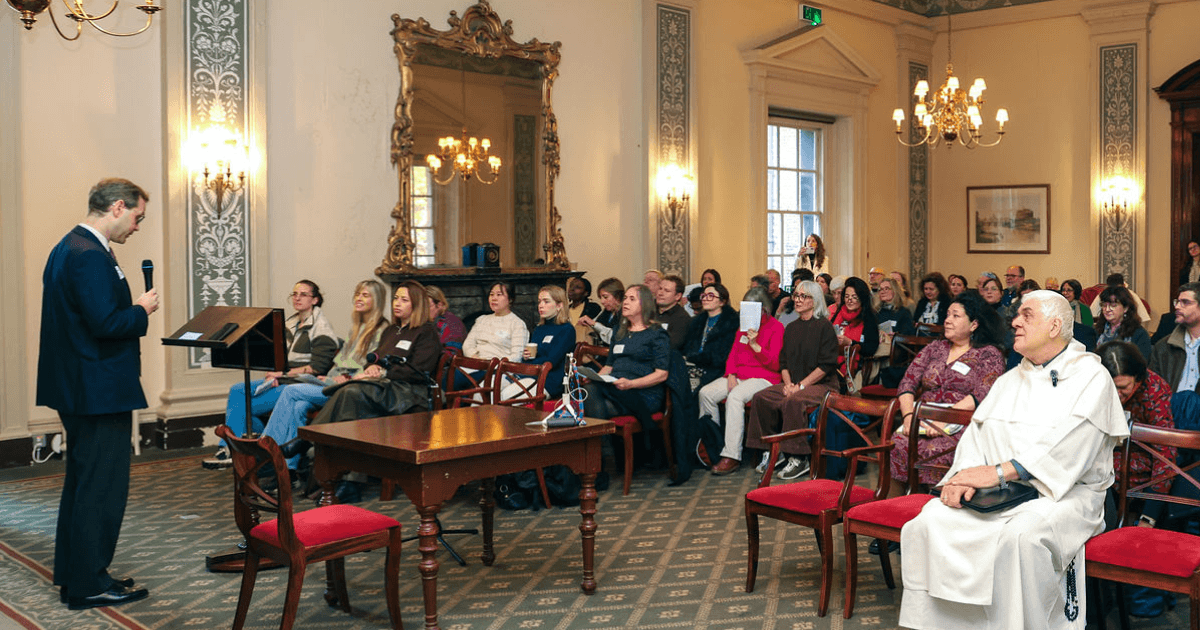 Chapter House
Why Catholic therapy needs both psychology and theology
Dominic McCann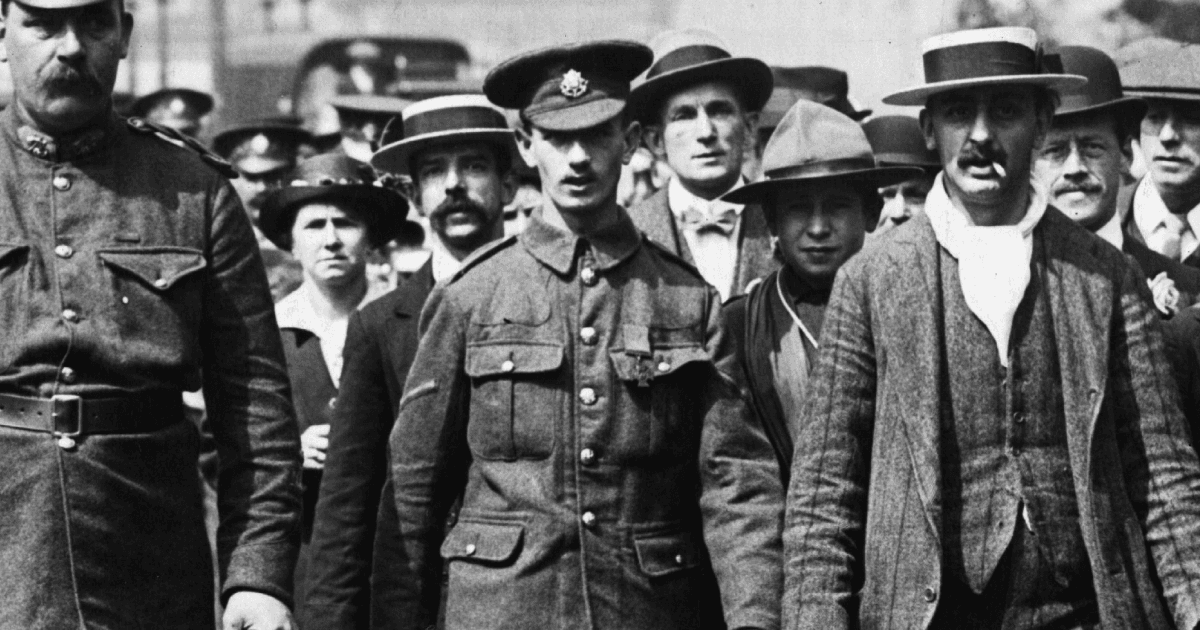 Chapter House
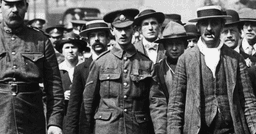
Edward Dwyer VC: the forgotten war hero of Catholic London
Andrew Cusack Chapter House
The Church should reject DCD as death criteria prior to organ harvesting
Patrick Pullicino & William J Burke Chapter House
Republicans lost the midterms because they failed to hold Trump’s coalition
Patrick Neve
subscribe to the catholic herald today
Our best content is exclusively available to our subscribers. Subscribe today and gain instant access to expert analysis, in-depth articles, and thought-provoking insights—anytime, anywhere. Don’t miss out on the conversations that matter most.
Subscribe