

February 12, 2026

Lourdes chief praises British model of pilgrimage

Staff writers
More
Related
Min read
share

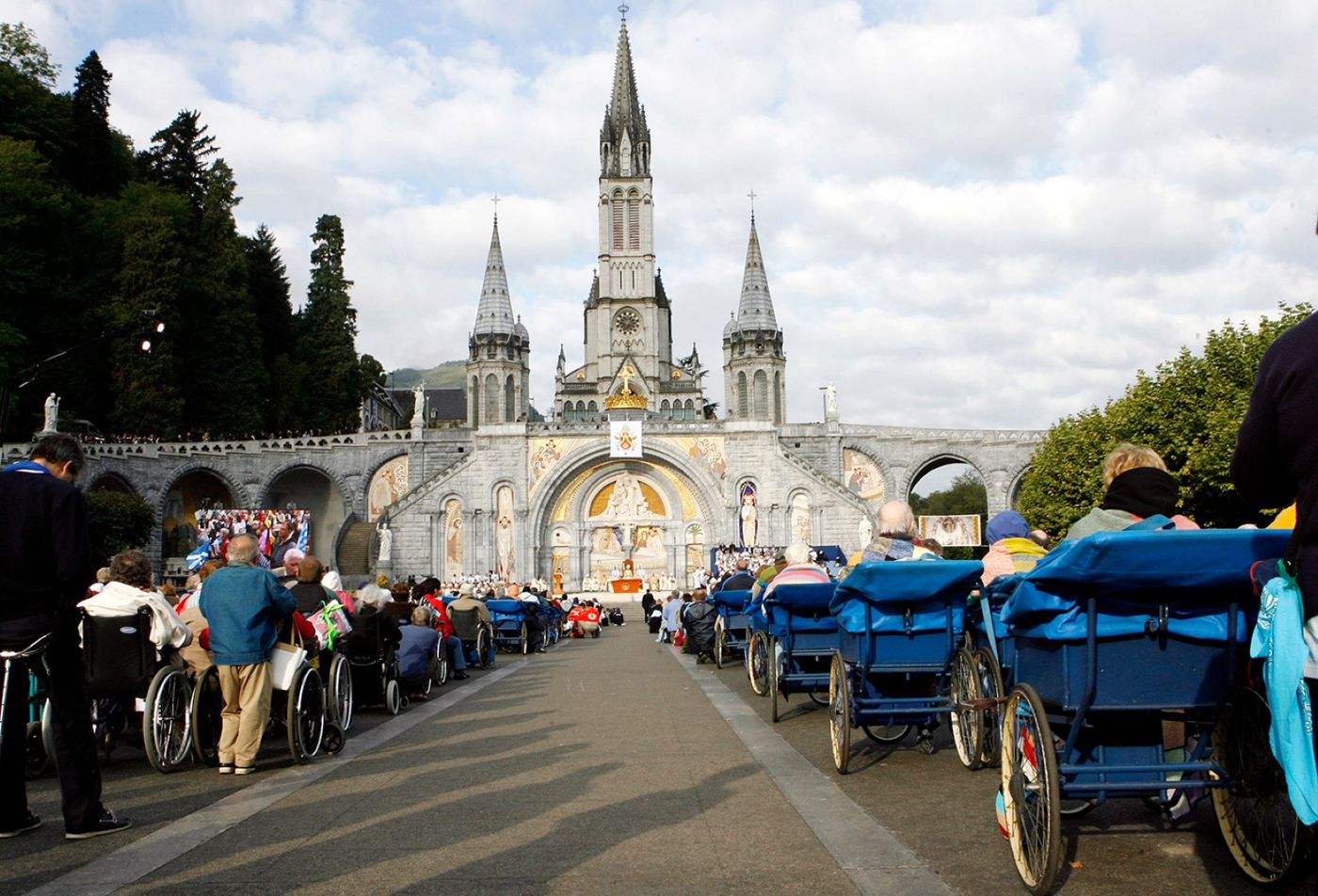
A senior official at Lourdes has hailed British pilgrimages as the best in the world.

Dr Alessandro de Franciscis, president of the Office of Medical Observations, said that pilgrimages organised in Britain and Ireland were so good that he was proposing them as a model for the rest of the world.

“If you asked me what has most surprised me in my seven-year tenure in Lourdes, it was the presence of the people of the British Isles,” said Dr de Franciscis. “That surprised me very positively.”

He said he had never imagined “the love and the structure and the style that the pilgrimages from England, Wales, Scotland and Ireland live in Lourdes”. Britain and Ireland, he said, organised diocesan pilgrimages in a different way from the rest of Europe, where they were mainly individual or parish-based.
“You have the bishop, his auxiliaries, your canons, the people in charge of different offices of the dioceses, your Catholic schools,” Dr de Franciscis said at a Shrewsbury diocese evangelisation symposium in St Ambrose College, Hale Barns, Cheshire.

“I think it is wonderful. You bring the sick people but you bring also the others. You bring the educators, people of responsibility and the religious. This model, I think, is for the future. I think this is what we need.

“I have been transferring this kind of experience to the French, Italian, Spanish, German and North American bishops because I think this is a model.”

The British and Irish models of pilgrimage were so robust, he said, that they would withstand cycles of decline. Pilgrim numbers to Lourdes have halved from about six million to some three million in the past two years.

A senior official at Lourdes has hailed British pilgrimages as the best in the world.

Dr Alessandro de Franciscis, president of the Office of Medical Observations, said that pilgrimages organised in Britain and Ireland were so good that he was proposing them as a model for the rest of the world.

“If you asked me what has most surprised me in my seven-year tenure in Lourdes, it was the presence of the people of the British Isles,” said Dr de Franciscis. “That surprised me very positively.”

He said he had never imagined “the love and the structure and the style that the pilgrimages from England, Wales, Scotland and Ireland live in Lourdes”. Britain and Ireland, he said, organised diocesan pilgrimages in a different way from the rest of Europe, where they were mainly individual or parish-based.
“You have the bishop, his auxiliaries, your canons, the people in charge of different offices of the dioceses, your Catholic schools,” Dr de Franciscis said at a Shrewsbury diocese evangelisation symposium in St Ambrose College, Hale Barns, Cheshire.

“I think it is wonderful. You bring the sick people but you bring also the others. You bring the educators, people of responsibility and the religious. This model, I think, is for the future. I think this is what we need.

“I have been transferring this kind of experience to the French, Italian, Spanish, German and North American bishops because I think this is a model.”

The British and Irish models of pilgrimage were so robust, he said, that they would withstand cycles of decline. Pilgrim numbers to Lourdes have halved from about six million to some three million in the past two years.

subscribe to
the catholic herald

Continue reading your article with a subscription.
Read 5 articles with our free plan.
Subscribe

subscribe to the catholic herald today

Our best content is exclusively available to our subscribers. Subscribe today and gain instant access to expert analysis, in-depth articles, and thought-provoking insights—anytime, anywhere. Don’t miss out on the conversations that matter most.
Subscribe