

February 12, 2026

Mary Kenny: Sex education and the city

Mary Kenny
More
Related
Min read
share

There’s nothing wrong with sex education, even for quite young children, as is now being proposed. It’s understandable that we don’t want to invade their innocence, but they’re going out into a world where they need to be informed and forewarned.

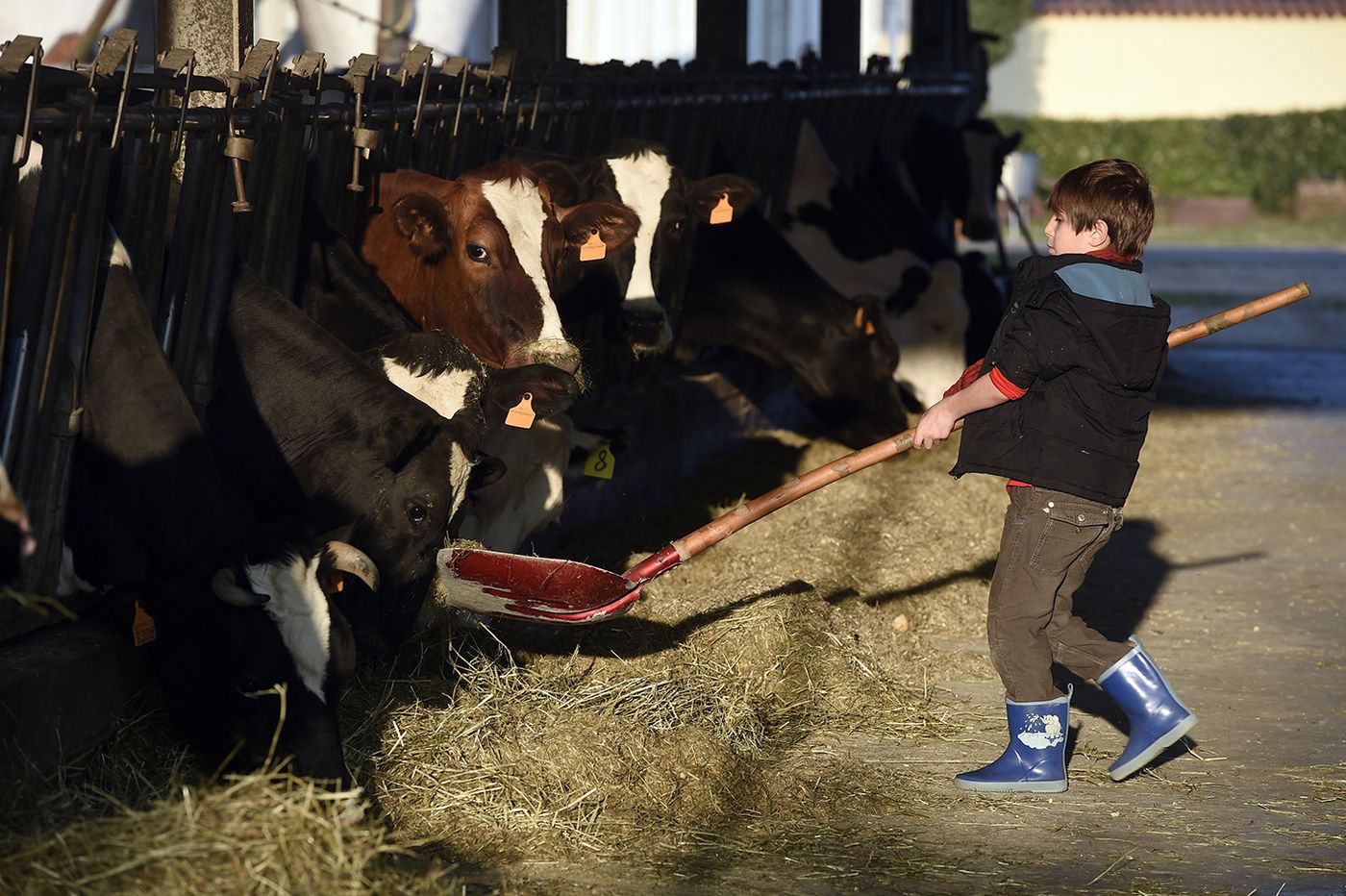
Children who grew up on farms were introduced to what was called “the facts of life” naturally. They knew all about bringing the filly to the stallion (and thus had few illusions about how fierce a shot of animal testosterone could be). I remember a farmer’s daughter telling me about “lesbian cows”, which, me being city-bred, came as a surprise to me. Yes, there were indeed cows who sought intimacies with each other rather than respond to the bull (bulls were not known for their finesse, anyway).
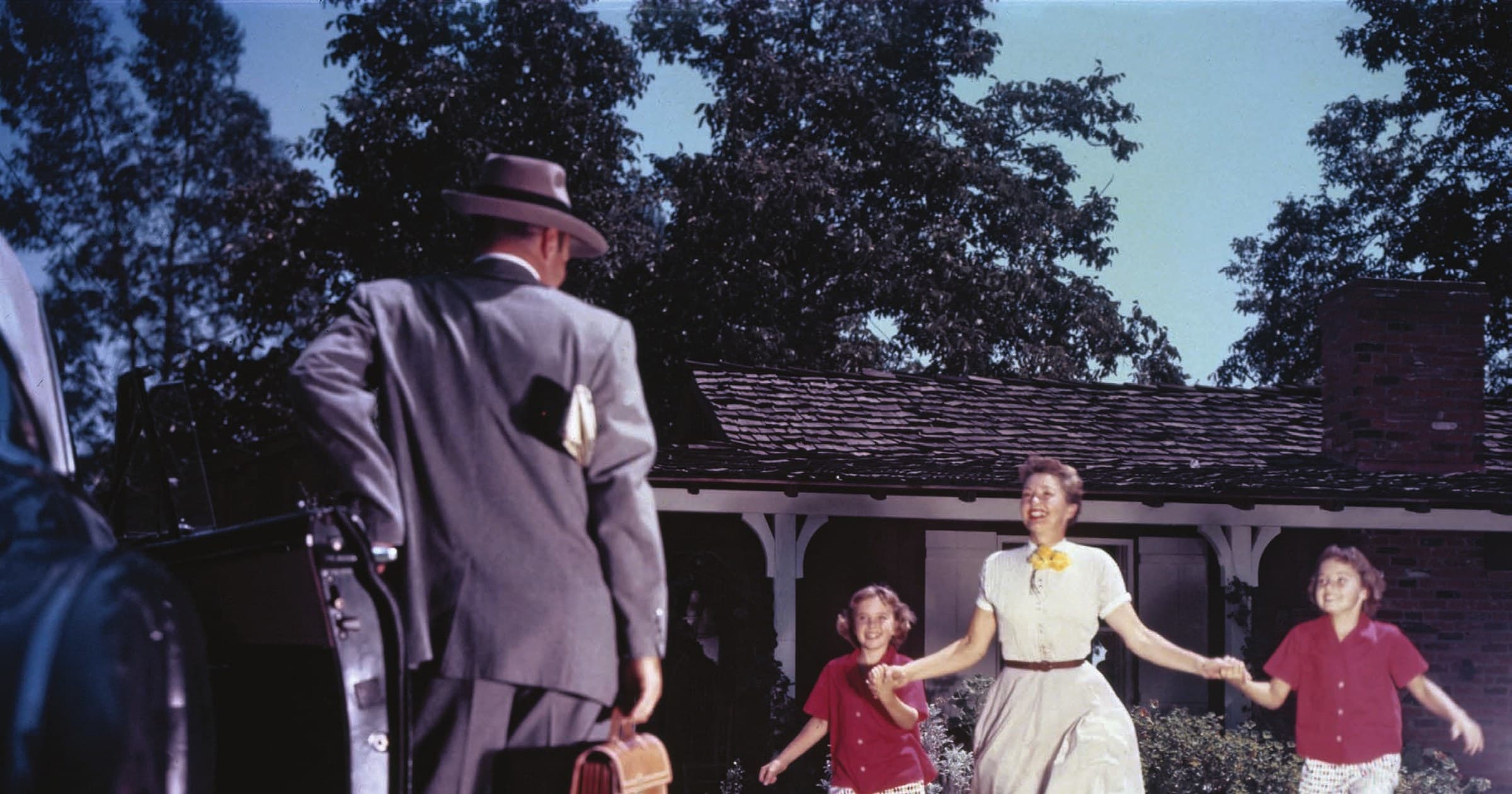
But when it comes to humans, much depends on just how the sex education in question is imparted. Valerie Riches, who founded The Responsible Society (it later became Family and Youth Concern) was very critical, in the latter years of the 20th century, of sex education being recommended for schools and elsewhere. She characterised the prevailing value as “anything goes – just so long as you use a contraceptive”.

Valerie was experienced in this area and she felt that some of the sex education was over-sexualising children, rather than arming them with biological knowledge and moral discernment. She was particularly critical of a textbook called Make It Happy, which was supported by the Family Planning Association and other lobbies, including the BBC. The Gillick Ruling, in 1985, which effectively allowed sexual activity among underage girls, was one outcome, in Valerie’s opinion.

So, yes to sensible sex education; but schools and parents should be allowed to examine and question what kind of material is being used.

Yet let’s honestly admit it can be an embarrassing subject broached between the generations. A friend of mine, who as a young teenager was involved with radical left-wing politics, was told by her mother, as she was leaving home on a trip, that they needed to have a serious conversation. “Please don’t let it be about ‘the facts of life’ – please!” my pal silently prayed.

Her mother sat her down. “Look, darling,” she said. “Be wise. Keep your politics to yourself !”

The relief!

What is truth? What is “fake news”? What is untruth in the news? Weighty questions which have been subject to much discussion in what we are already calling the Era of Trump.

But it’s not a new issue, and neither has it always been easily answered. When Harold Pinter gave his Nobel Prize speech in 2005, he said: “There are no hard distinctions between what is real and what is unreal, nor between what is true and what is false.”

He added: “A thing is not necessarily either true or false; it can be both true and false.”

Pinter spoke as an artist, not as a factual reporter, but he spoke with the insight of an artist, we might say. There are ambiguities in life. Not everything is cut and dried.

The new, highly successful leader of Sinn Fein in Northern Ireland is Michelle O’Neill, an articulate young woman aged 40 (with grown-up children, as she was a teenage mother). She handles the media smoothly and in a truly “postmodern” (maybe even Pinteresque) manner. When asked why she attended a memorial for four young IRA men shot dead by the SAS in Clonoe, Co Tyrone, in 1992 – when it was evident they were ambushing a police station with machine guns – she smilingly replied: “Everyone has their own narrative on these events.”

Thomas Carlyle made the same point about the death of Louis XVI. Everyone would remember it differently.

There’s a hugely moving moment in the film Denial, about Holocaust professor Deborah Lipstadt’s court case against the historian David Irving, who had brought a libel case against her. It’s when Deborah (Rachel Weisz) and her lawyer (Tom Wilkinson) visit an empty Auschwitz for research. Suddenly, Deborah breaks spontaneously into the Jewish prayer for the dead known as the Kaddish.

Prof Lipstadt is not portrayed as religious but the scene brings home how necessary a memorial prayer is, for every tragic victim and for every individual life.

Follow Mary Kenny on Twitter: @MaryKenny4

There’s nothing wrong with sex education, even for quite young children, as is now being proposed. It’s understandable that we don’t want to invade their innocence, but they’re going out into a world where they need to be informed and forewarned.

Children who grew up on farms were introduced to what was called “the facts of life” naturally. They knew all about bringing the filly to the stallion (and thus had few illusions about how fierce a shot of animal testosterone could be). I remember a farmer’s daughter telling me about “lesbian cows”, which, me being city-bred, came as a surprise to me. Yes, there were indeed cows who sought intimacies with each other rather than respond to the bull (bulls were not known for their finesse, anyway).
But when it comes to humans, much depends on just how the sex education in question is imparted. Valerie Riches, who founded The Responsible Society (it later became Family and Youth Concern) was very critical, in the latter years of the 20th century, of sex education being recommended for schools and elsewhere. She characterised the prevailing value as “anything goes – just so long as you use a contraceptive”.

Valerie was experienced in this area and she felt that some of the sex education was over-sexualising children, rather than arming them with biological knowledge and moral discernment. She was particularly critical of a textbook called Make It Happy, which was supported by the Family Planning Association and other lobbies, including the BBC. The Gillick Ruling, in 1985, which effectively allowed sexual activity among underage girls, was one outcome, in Valerie’s opinion.

So, yes to sensible sex education; but schools and parents should be allowed to examine and question what kind of material is being used.

Yet let’s honestly admit it can be an embarrassing subject broached between the generations. A friend of mine, who as a young teenager was involved with radical left-wing politics, was told by her mother, as she was leaving home on a trip, that they needed to have a serious conversation. “Please don’t let it be about ‘the facts of life’ – please!” my pal silently prayed.

Her mother sat her down. “Look, darling,” she said. “Be wise. Keep your politics to yourself !”

The relief!

What is truth? What is “fake news”? What is untruth in the news? Weighty questions which have been subject to much discussion in what we are already calling the Era of Trump.

But it’s not a new issue, and neither has it always been easily answered. When Harold Pinter gave his Nobel Prize speech in 2005, he said: “There are no hard distinctions between what is real and what is unreal, nor between what is true and what is false.”

He added: “A thing is not necessarily either true or false; it can be both true and false.”

Pinter spoke as an artist, not as a factual reporter, but he spoke with the insight of an artist, we might say. There are ambiguities in life. Not everything is cut and dried.

The new, highly successful leader of Sinn Fein in Northern Ireland is Michelle O’Neill, an articulate young woman aged 40 (with grown-up children, as she was a teenage mother). She handles the media smoothly and in a truly “postmodern” (maybe even Pinteresque) manner. When asked why she attended a memorial for four young IRA men shot dead by the SAS in Clonoe, Co Tyrone, in 1992 – when it was evident they were ambushing a police station with machine guns – she smilingly replied: “Everyone has their own narrative on these events.”

Thomas Carlyle made the same point about the death of Louis XVI. Everyone would remember it differently.

There’s a hugely moving moment in the film Denial, about Holocaust professor Deborah Lipstadt’s court case against the historian David Irving, who had brought a libel case against her. It’s when Deborah (Rachel Weisz) and her lawyer (Tom Wilkinson) visit an empty Auschwitz for research. Suddenly, Deborah breaks spontaneously into the Jewish prayer for the dead known as the Kaddish.

Prof Lipstadt is not portrayed as religious but the scene brings home how necessary a memorial prayer is, for every tragic victim and for every individual life.

Follow Mary Kenny on Twitter: @MaryKenny4

subscribe to
the catholic herald

Continue reading your article with a subscription.
Read 5 articles with our free plan.
Subscribe

subscribe to the catholic herald today

Our best content is exclusively available to our subscribers. Subscribe today and gain instant access to expert analysis, in-depth articles, and thought-provoking insights—anytime, anywhere. Don’t miss out on the conversations that matter most.
Subscribe