


January 1, 2026
January 1, 2026

Mary, the dignity of waiting and NaPro Technology

Min read
share

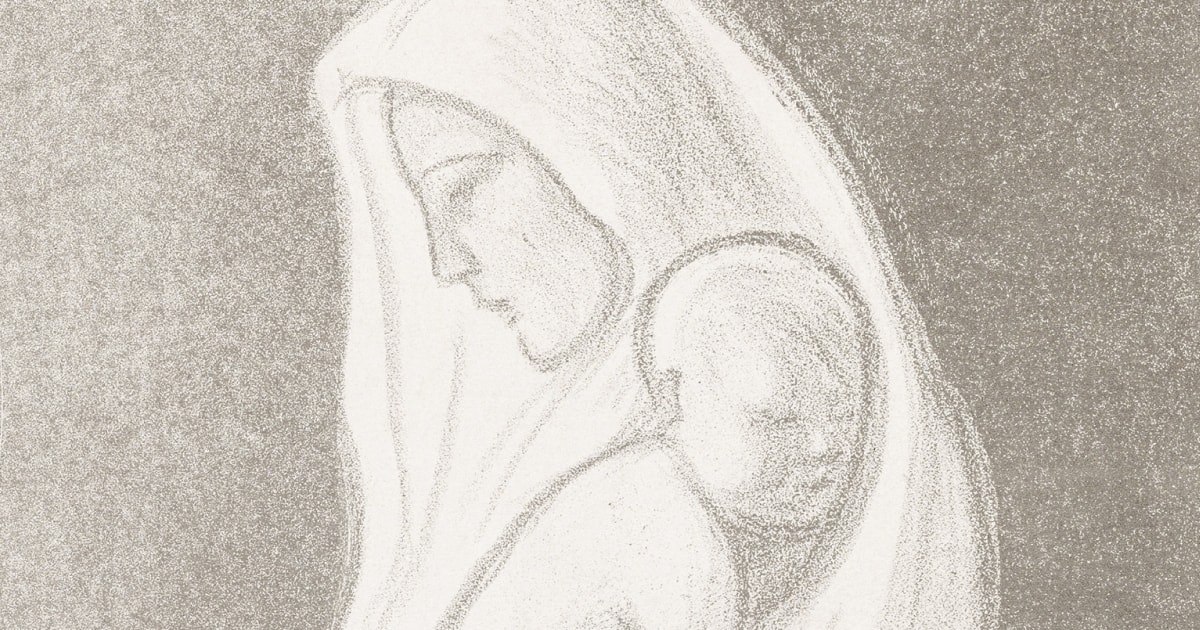
In my first year of marriage, Mary’s motherhood has become something far less unrelatable than it once was for me. Today’s feast, which particularly celebrates her maternal role, is a quiet reminder to me, and to many of my friends who are waiting to step into that role, that motherhood is a vocation to be received as a gift. It reminds us that our waiting can be an active, faithful, and costly journey, and that this time is not something empty or wasted.

There has been much news about the quiet revival that has been taking place. Young people are coming back to Church, and in turn choosing a way of life that looks different from the one the world promises will bring happiness. This quiet revival does not just mean that people are going to Church; it means they are also getting married and accepting God’s plan for family life, and perhaps “accepting” is an understatement. It is a desire being awakened that we did not even know we had, buried deep within our hearts, long encouraged to take second place to self fulfilment and success.
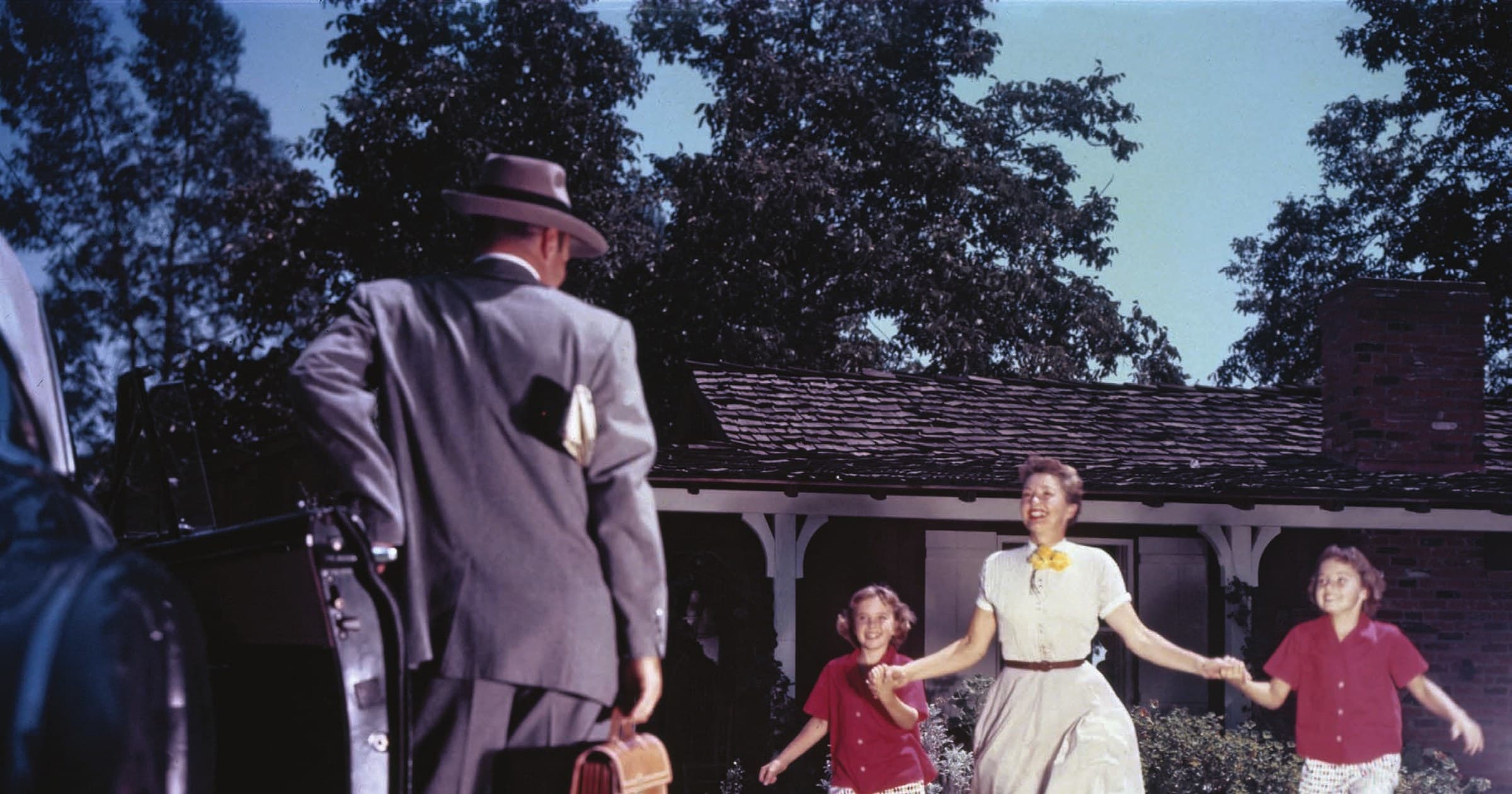
This revival may be seen in the rise in numbers of Gen Z attending Mass, but it is also evident in the quiet decisions of many young women to step off the relentless career climbing escalator. We are repeatedly told to delay motherhood, to freeze our eggs until our mid thirties, to secure the role or status that promises success and stability before even considering family life. Instead, many are choosing a humbler and more countercultural path, embracing life as young married couples, hoping and dreaming not of titles or promotions, but of getting each other to heaven and raising an army of little ones who will grow up to love the Lord and take the world by storm.

Yet stepping into this vocation does not always unfold as expected. We assume the two lines on a pregnancy test will appear quickly, after all, we are not using contraception. A year may pass with nothing. Blood tests come back normal. Fancy ovulation tests with flashing smiley faces, supplements, and cycle charting bring clarity but not the hoped for outcome. Mary knew this kind of waiting. Her “yes” came without guarantees or control over what would come next for her. Her motherhood was entrusted, not scheduled or managed. For women waiting for children, Mary is not a distant ideal but a companion in the space between promise and fulfilment.

Many young Catholic couples find themselves in this space of waiting. But I increasingly wonder whether this space is intended by God only for our spiritual advancement, or whether it is also shaped by a healthcare system that struggles to know where to begin to heal us. For many, this calling of motherhood feels fragile, uncertain, and increasingly out of reach.

When we seek help, the medical landscape we entrust ourselves to often deepens that fragility rather than relieving it. In England, the fertility narrative many of us encounter is not one of listening or healing, but a linear NHS pathway that moves steadily towards its final option, in vitro fertilisation. Fertility is treated as a problem to be bypassed rather than a dimension of a woman’s health to be understood, nurtured, and protected.

The conversation is familiar to many women: irregular cycles, months of trying, a desire for understanding. The first proposed solution is often the contraceptive pill, offered to “regulate” what has not been listened to. When we explain that we actually want our cycles, so that we can conceive, the system moves us along: monitoring, referrals, fertility clinics, and the ultimate end of IVF. Along the way, diagnoses are given: PCOS, suspected endometriosis, sometimes with success stories, but often without a plan for healing, only for finding ways around the problem.

There is something spiritually disorienting about this process. A woman is told that her body is malfunctioning, that it cannot be trusted, and that motherhood may only be possible if her fertility is overridden or outsourced. Even when no moral line is crossed, a deeper anthropology is at work, one that separates fertility from womanhood and pregnancy from health.

Within Catholic circles, one might expect a different story. And yet even here, many of us are left with only fragments. Occasionally someone mentions NaPro Technology, and it is often met by blank stares or a comment such as, “Oh, is that where they give you progesterone? I got that in my third pregnancy after I had had two miscarriages.” Few women have been taught the incredible and hopeful truth that fertility can be a source of information, that cycles are a vital sign, or that healing, real physical healing, is possible for many women.

NaPro Technology is not simply an ethical alternative to IVF. It is an expression of a different vision of the human person. It works with a woman’s natural cycles to identify and treat the underlying causes of infertility, miscarriage, and hormonal imbalance. It listens to the body before intervening. It seeks to restore health, trusting that fruitfulness, if it comes, will emerge from wholeness.

This approach resonates deeply with a Catholic sacramental imagination. Grace does not bypass nature; it heals and elevates it. Our bodies are not obstacles to holiness; God has, in fact, intricately designed us so that we can be co creators with Him. To treat fertility as something to suppress, manage, or override is not only a medical decision; it is a theological one.

This is a profound reason for hope and joy. For women who have been told, perhaps too quickly, that having children may be nearly impossible, a restorative path offers understanding, healing, and renewed hope. It affirms that their bodies are not beyond care, their stories are not finished, and that even in the most painful circumstances there is a path that honours both their dignity and desire for life. The results are encouraging. One study of 108 couples using NaPro Technology found that 66 per cent had a child within 24 months, compared with just 35 per cent of women aged 18 to 34 who had a child per IVF cycle.

For many women, access to this kind of care is limited. NaPro clinics are rare, and restorative surgery may require travel to another country. Ethical, restorative fertility care is often pursued at great personal cost, making it one of those things you might return to when you have the funds. This raises a question for the Church. If we truly believe in the dignity of the human person, the unity of body and soul, and the goodness of fertility, how can we make those beliefs real for young couples today.

Perhaps part of the answer lies in our willingness to build what does not yet exist. Catholic social teaching does not ask us to retreat from public systems, but neither does it ask us to wait passively when those systems fall short. Models of shared support, such as Catholic health insurance cooperatives, which have worked well in the United States, could make restorative fertility care more accessible and sustainable. Communities pooling resources is not a rejection of solidarity; it is an expression of it.

There is also a vocational question here. If NaPro and similar approaches are to become more widely available, doctors must be trained, supported, and encouraged to enter this field. Without patients, there are no clinics. Without clinics, no training. Without training, no doctors. This is not only a medical gap but a vocational one.

Ultimately, the transformation we need must be truly imaginative. We need to recover a vision of fertility as sacred, intelligible, and worthy of care. We need to tell women, especially those who are waiting, that their bodies are not broken, that their longing is not naïve, and that their hope for healing is not misplaced.

On this feast day, Mary does not promise us quick answers or fixes, nor does she promise us our own baby to hold in our arms next Christmas. She offers us herself: a woman whose fruitfulness came through trust, whose waiting was faithful, and whose motherhood ultimately allowed us to become adopted sons and daughters of the Father. For those of us still waiting, that witness matters, and it should shape the kind of medicine, community, and care we are willing to build.

In my first year of marriage, Mary’s motherhood has become something far less unrelatable than it once was for me. Today’s feast, which particularly celebrates her maternal role, is a quiet reminder to me, and to many of my friends who are waiting to step into that role, that motherhood is a vocation to be received as a gift. It reminds us that our waiting can be an active, faithful, and costly journey, and that this time is not something empty or wasted.

There has been much news about the quiet revival that has been taking place. Young people are coming back to Church, and in turn choosing a way of life that looks different from the one the world promises will bring happiness. This quiet revival does not just mean that people are going to Church; it means they are also getting married and accepting God’s plan for family life, and perhaps “accepting” is an understatement. It is a desire being awakened that we did not even know we had, buried deep within our hearts, long encouraged to take second place to self fulfilment and success.
This revival may be seen in the rise in numbers of Gen Z attending Mass, but it is also evident in the quiet decisions of many young women to step off the relentless career climbing escalator. We are repeatedly told to delay motherhood, to freeze our eggs until our mid thirties, to secure the role or status that promises success and stability before even considering family life. Instead, many are choosing a humbler and more countercultural path, embracing life as young married couples, hoping and dreaming not of titles or promotions, but of getting each other to heaven and raising an army of little ones who will grow up to love the Lord and take the world by storm.

Yet stepping into this vocation does not always unfold as expected. We assume the two lines on a pregnancy test will appear quickly, after all, we are not using contraception. A year may pass with nothing. Blood tests come back normal. Fancy ovulation tests with flashing smiley faces, supplements, and cycle charting bring clarity but not the hoped for outcome. Mary knew this kind of waiting. Her “yes” came without guarantees or control over what would come next for her. Her motherhood was entrusted, not scheduled or managed. For women waiting for children, Mary is not a distant ideal but a companion in the space between promise and fulfilment.

Many young Catholic couples find themselves in this space of waiting. But I increasingly wonder whether this space is intended by God only for our spiritual advancement, or whether it is also shaped by a healthcare system that struggles to know where to begin to heal us. For many, this calling of motherhood feels fragile, uncertain, and increasingly out of reach.

When we seek help, the medical landscape we entrust ourselves to often deepens that fragility rather than relieving it. In England, the fertility narrative many of us encounter is not one of listening or healing, but a linear NHS pathway that moves steadily towards its final option, in vitro fertilisation. Fertility is treated as a problem to be bypassed rather than a dimension of a woman’s health to be understood, nurtured, and protected.

The conversation is familiar to many women: irregular cycles, months of trying, a desire for understanding. The first proposed solution is often the contraceptive pill, offered to “regulate” what has not been listened to. When we explain that we actually want our cycles, so that we can conceive, the system moves us along: monitoring, referrals, fertility clinics, and the ultimate end of IVF. Along the way, diagnoses are given: PCOS, suspected endometriosis, sometimes with success stories, but often without a plan for healing, only for finding ways around the problem.

There is something spiritually disorienting about this process. A woman is told that her body is malfunctioning, that it cannot be trusted, and that motherhood may only be possible if her fertility is overridden or outsourced. Even when no moral line is crossed, a deeper anthropology is at work, one that separates fertility from womanhood and pregnancy from health.

Within Catholic circles, one might expect a different story. And yet even here, many of us are left with only fragments. Occasionally someone mentions NaPro Technology, and it is often met by blank stares or a comment such as, “Oh, is that where they give you progesterone? I got that in my third pregnancy after I had had two miscarriages.” Few women have been taught the incredible and hopeful truth that fertility can be a source of information, that cycles are a vital sign, or that healing, real physical healing, is possible for many women.

NaPro Technology is not simply an ethical alternative to IVF. It is an expression of a different vision of the human person. It works with a woman’s natural cycles to identify and treat the underlying causes of infertility, miscarriage, and hormonal imbalance. It listens to the body before intervening. It seeks to restore health, trusting that fruitfulness, if it comes, will emerge from wholeness.

This approach resonates deeply with a Catholic sacramental imagination. Grace does not bypass nature; it heals and elevates it. Our bodies are not obstacles to holiness; God has, in fact, intricately designed us so that we can be co creators with Him. To treat fertility as something to suppress, manage, or override is not only a medical decision; it is a theological one.

This is a profound reason for hope and joy. For women who have been told, perhaps too quickly, that having children may be nearly impossible, a restorative path offers understanding, healing, and renewed hope. It affirms that their bodies are not beyond care, their stories are not finished, and that even in the most painful circumstances there is a path that honours both their dignity and desire for life. The results are encouraging. One study of 108 couples using NaPro Technology found that 66 per cent had a child within 24 months, compared with just 35 per cent of women aged 18 to 34 who had a child per IVF cycle.

For many women, access to this kind of care is limited. NaPro clinics are rare, and restorative surgery may require travel to another country. Ethical, restorative fertility care is often pursued at great personal cost, making it one of those things you might return to when you have the funds. This raises a question for the Church. If we truly believe in the dignity of the human person, the unity of body and soul, and the goodness of fertility, how can we make those beliefs real for young couples today.

Perhaps part of the answer lies in our willingness to build what does not yet exist. Catholic social teaching does not ask us to retreat from public systems, but neither does it ask us to wait passively when those systems fall short. Models of shared support, such as Catholic health insurance cooperatives, which have worked well in the United States, could make restorative fertility care more accessible and sustainable. Communities pooling resources is not a rejection of solidarity; it is an expression of it.

There is also a vocational question here. If NaPro and similar approaches are to become more widely available, doctors must be trained, supported, and encouraged to enter this field. Without patients, there are no clinics. Without clinics, no training. Without training, no doctors. This is not only a medical gap but a vocational one.

Ultimately, the transformation we need must be truly imaginative. We need to recover a vision of fertility as sacred, intelligible, and worthy of care. We need to tell women, especially those who are waiting, that their bodies are not broken, that their longing is not naïve, and that their hope for healing is not misplaced.

On this feast day, Mary does not promise us quick answers or fixes, nor does she promise us our own baby to hold in our arms next Christmas. She offers us herself: a woman whose fruitfulness came through trust, whose waiting was faithful, and whose motherhood ultimately allowed us to become adopted sons and daughters of the Father. For those of us still waiting, that witness matters, and it should shape the kind of medicine, community, and care we are willing to build.

share

subscribe to the catholic herald today

Our best content is exclusively available to our subscribers. Subscribe today and gain instant access to expert analysis, in-depth articles, and thought-provoking insights—anytime, anywhere. Don’t miss out on the conversations that matter most.
Subscribe