


On Sunday some 5,000 migrants are expected to pack St Peter’s Basilica at the invitation of Pope Francis. Before Mass many will pass through the Holy Door, opened for the Year of Mercy. Among them will be pilgrims carrying a wooden cross made on the Italian island of Lampedusa from the wreckage of migrant vessels. The Mass, celebrated by Cardinal Antonio Vegliò, will mark the World Day of Migrants and Refugees, and will take place amid intense controversy over the place of immigrants in Europe. The continent is still feeling the aftershocks of events near Cologne Cathedral on New Year’s Eve, when a group of a thousand men of “North African and Arab” origin went on a criminal rampage. Some 40 per cent of the more than 500 offences committed that night related to sexual assault. The phenomenon of mass attacks on vulnerable women first came to Western media attention in the aftermath of the Arab Spring in Cairo. There is even an Arabic term for it – taharrush gamea – a relatively new coinage that has featured prominently in German coverage of the Cologne outrage. In his message for the World Day of Migrants and Refugees, issued before the attacks, the Pope says this: “It is important to view migrants not only on the basis of their status as regular or irregular, but above all as people whose dignity is to be protected and who are capable of contributing to progress and the general welfare.” In light of Cologne, some Europeans will find this highly objectionable. But they need to read on, because in the very next sentence, Francis writes: “This is especially the case when they responsibly assume their obligations towards those who receive them, gratefully respecting the material and spiritual heritage of the host country, obeying its laws and helping with its needs.” In other words, host countries aren’t the only ones with responsibilities: migrants, too, have obligations. Francis underlined this point in his annual address to diplomats on Monday. In his message, the Pope doesn’t explicitly address what should happen when migrants fail to fulfil their duties towards their host countries. But his words suggest he is not a naïve idealist who believes that Europe can absorb millions of migrants without profound difficulties. Cologne has provoked debate about the male-to-female ratios of migrants. According to the International Organisation of Migration, two thirds of adult migrants registered in Italy and Greece in the past year were male. Sociological studies suggest that male-dominated communities are unstable, with higher levels of violence, especially against women. Some researchers argue that massive, overwhelmingly male migration could alter the gender balance within European countries to disastrous effect. It is noteworthy that the new liberal government of Canada, led by Justin Trudeau, is now largely accepting only women, accompanied children and families from Syria. As Catholics, we must always help those who arrive on our borders, especially those fleeing war and starvation. We should also speak out against the temptation to associate all migrants with the sickening behaviour of a minority. At the same time, we should tackle the problems of mass migration with honesty and integrity. In short, when we address migration we should be both caring and prudent.
2:00 PM
Migrants have obligations, too
Staff writers

5 min read



Already a subscriber? Sign in
5freearticles every month
Continue reading with a free account. No card needed.
- Five free articles every thirty days, on any device you sign in on
- The Catholic Herald newsletter, every morning
- Subscribe whenever you like for everything: every article and the magazine
Related articles
 Newsroom
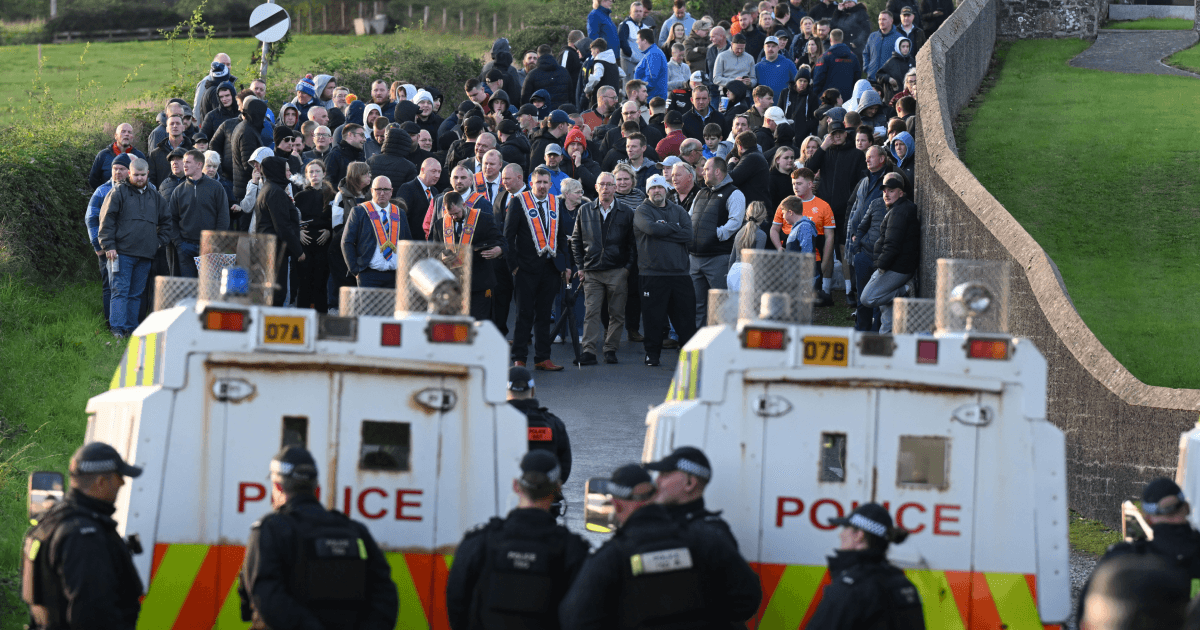
Church leaders urge Drumcree dialogue: ‘Too much is at stake’
The Catholic and Church of Ireland Archbishops of Armagh have urged a renewed commitment to peace and reconciliation amid the Drumcree stand-off
Corrie Douglas-Young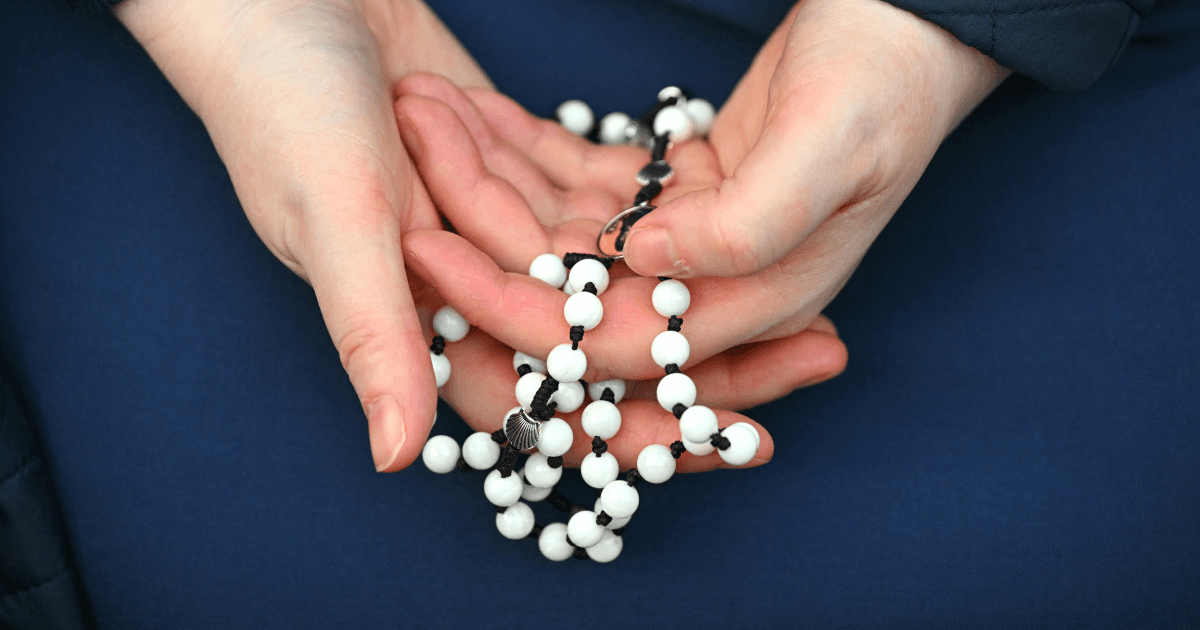 Newsroom
Thousands of Irish children to join global Rosary campaign
Corrie Douglas-Young Newsroom
TikTok priest urges young people to stand with persecuted Christians
Nathalie Raffray Newsroom
Baby born at 25 weeks reunites with neonatologist two years after leaving hospital
The Catholic Herald Newsroom
Joe Biden honoured by Planned Parenthood after defending abortion rights
Christine Rousselle
subscribe to the catholic herald today
Our best content is exclusively available to our subscribers. Subscribe today and gain instant access to expert analysis, in-depth articles, and thought-provoking insights—anytime, anywhere. Don’t miss out on the conversations that matter most.
Subscribe



