

The papal visit to Chile confirmed beyond all doubt that the Church has failed to grasp the global dimensions of the abuse crisis. This failure began long before Pope Francis’s dismissive comments about Chilean abuse survivors last week, when he described accusations that a bishop had covered up a paedophile priest’s crimes as “calumny”. Under Benedict XVI, Rome intensified its fight against clerical abuse across the world. It is difficult to pinpoint the moment that this effort went awry. But it arguably goes back to 2011, when the Vatican gave bishops’ conferences a year to draw up child protection guidelines. Shocking though it may sound today, many conferences – including that of Italy – had no standard procedure for dealing with abuse claims. When the deadline passed in 2012, only half of conferences had responded. That is, they had failed to provide even the most basic rules, despite being given a generous 12 months to do so. What happened next is murky, but the Vatican seems to have simply given up. Certainly there were no reports of any bishops’ conferences being punished for flouting the deadline. Mgr Charles Scicluna, apparently the driving force behind the guidelines, was then transferred from his Vatican post to his native Malta. Few mentioned the guidelines again after that. The Church had missed a critical opportunity to enforce a single global standard in the battle against abuse. When Pope Francis was elected, however, it had one more chance. Francis founded the Pontifical Commission for the Protection of Minors, an advisory body helping him to promote “local responsibility” for child protection. Yet the commission has been thwarted at every turn. In 2015 it urged the Pope to create a tribunal holding bishops accountable for mishandling abuse cases. Francis initially agreed, but appeared to backtrack a year later. As we write, the commission is in limbo. Its experimental three-year term has ended, but on Monday the Pope insisted that it would be renewed soon and that the delay was caused by the need to scrutinise proposed new members. That is the background to the Pope’s highly damaging defence of Chilean Bishop Juan Barros. Even if, as defenders assert, the bishop is wholly innocent, it was wrong (as he acknowledged) for Francis to hit out at the prelate’s accusers, who include abuse survivors. The comments generated the worst headlines of his pontificate, including “The Pope causes more pain for priest’s victims” (New York Times) and “The Pope asks for forgiveness on sex abuse. But he refuses to act” (Washington Post). These headlines reinforce the perception that the Church has learnt little from the abuse crisis – that its instinct is still to discredit accusers and protect its own. That is why it was right for Cardinal Seán O’Malley, the valiant president of the Vatican child protection commission, to speak out. “Words that convey the message ‘if you cannot prove your claims then you will not be believed’ abandon those who have suffered reprehensible criminal violations of their human dignity, and relegate survivors to discredited exile,” he said. To his credit, Francis thanked the cardinal for his trenchant comments. Bishops from nations devastated by the abuse crisis – the United States, Australia, Ireland, Germany, Belgium, England and Wales – should press Rome to enforce a global common standard in the fight against abuse. They have struggled to ensure that Catholic children are, in future, safe from predators. They cannot remain silent as the effort to uproot abusers and their accomplices worldwide stalls. There is so much at stake: not only the safety of Christ’s little ones, but also the Church’s very mission. If that isn’t worth speaking up for, then nothing is.
12:00 PM
Missed opportunities
The Catholic Herald

5 min read



Already a subscriber? Sign in
5freearticles every month
Continue reading with a free account. No card needed.
- Five free articles every thirty days, on any device you sign in on
- The Catholic Herald newsletter, every morning
- Subscribe whenever you like for everything: every article and the magazine
Related articles
 Newsroom
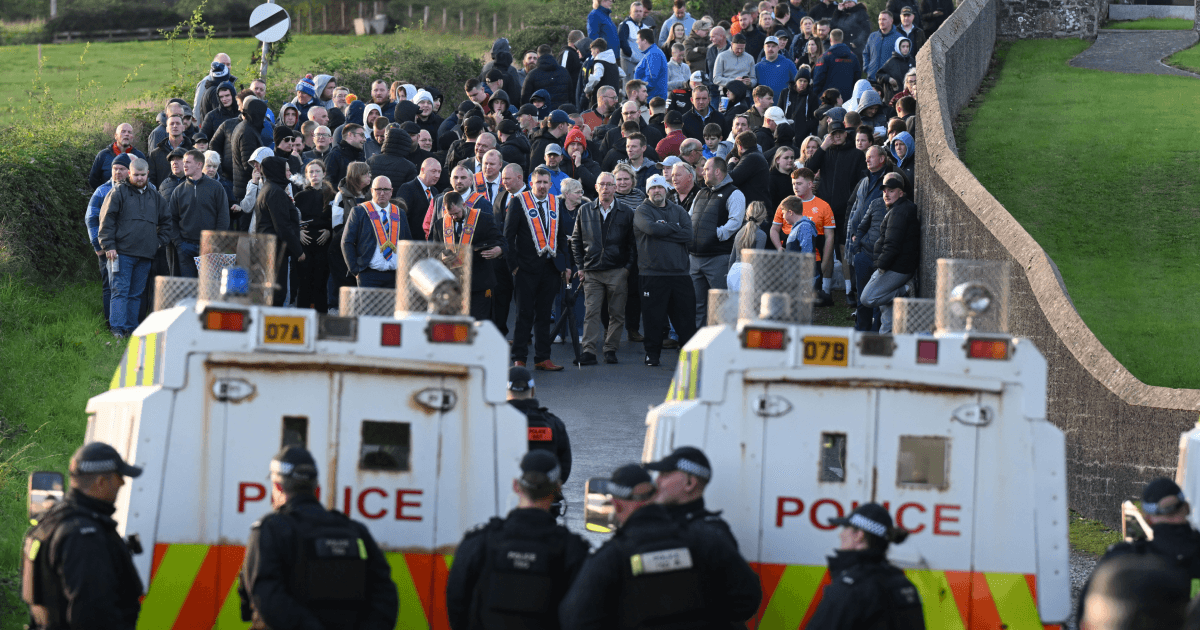
Church leaders urge Drumcree dialogue: ‘Too much is at stake’
The Catholic and Church of Ireland Archbishops of Armagh have urged a renewed commitment to peace and reconciliation amid the Drumcree stand-off
Corrie Douglas-Young Newsroom
Thousands of Irish children to join global Rosary campaign
Corrie Douglas-Young Newsroom
TikTok priest urges young people to stand with persecuted Christians
Nathalie Raffray Newsroom
Baby born at 25 weeks reunites with neonatologist two years after leaving hospital
The Catholic Herald Newsroom
Joe Biden honoured by Planned Parenthood after defending abortion rights
Christine Rousselle
subscribe to the catholic herald today
Our best content is exclusively available to our subscribers. Subscribe today and gain instant access to expert analysis, in-depth articles, and thought-provoking insights—anytime, anywhere. Don’t miss out on the conversations that matter most.
Subscribe



