February 12, 2026

Music: The baby who turns a continent upside down

Michael White
More
No items found.
Related
Min read
share

Whether artists and musicians regard the birth of Christ in Bethlehem as history or poetry, it’s always been a potent narrative for them to adapt to the agenda of their times. And an example of our own time is John Adams’s dramatic oratorio El Niño, which was done in concert at the Barbican the other week by the London Symphony Orchestra and Chorus with the composer over from America to conduct.

The choice of title is significant. In scientific usage El Niño is a hurricane-force wind with the capacity to turn lives upside down. More broadly it’s a “boy-child”. And although this child is clearly Jesus, he’s a Jesus of today: born, as the Spanish usage indicates, in South America. A continent that North Americans (or at least, those who vote for Trump) associate with squalor, drugs and trouble.
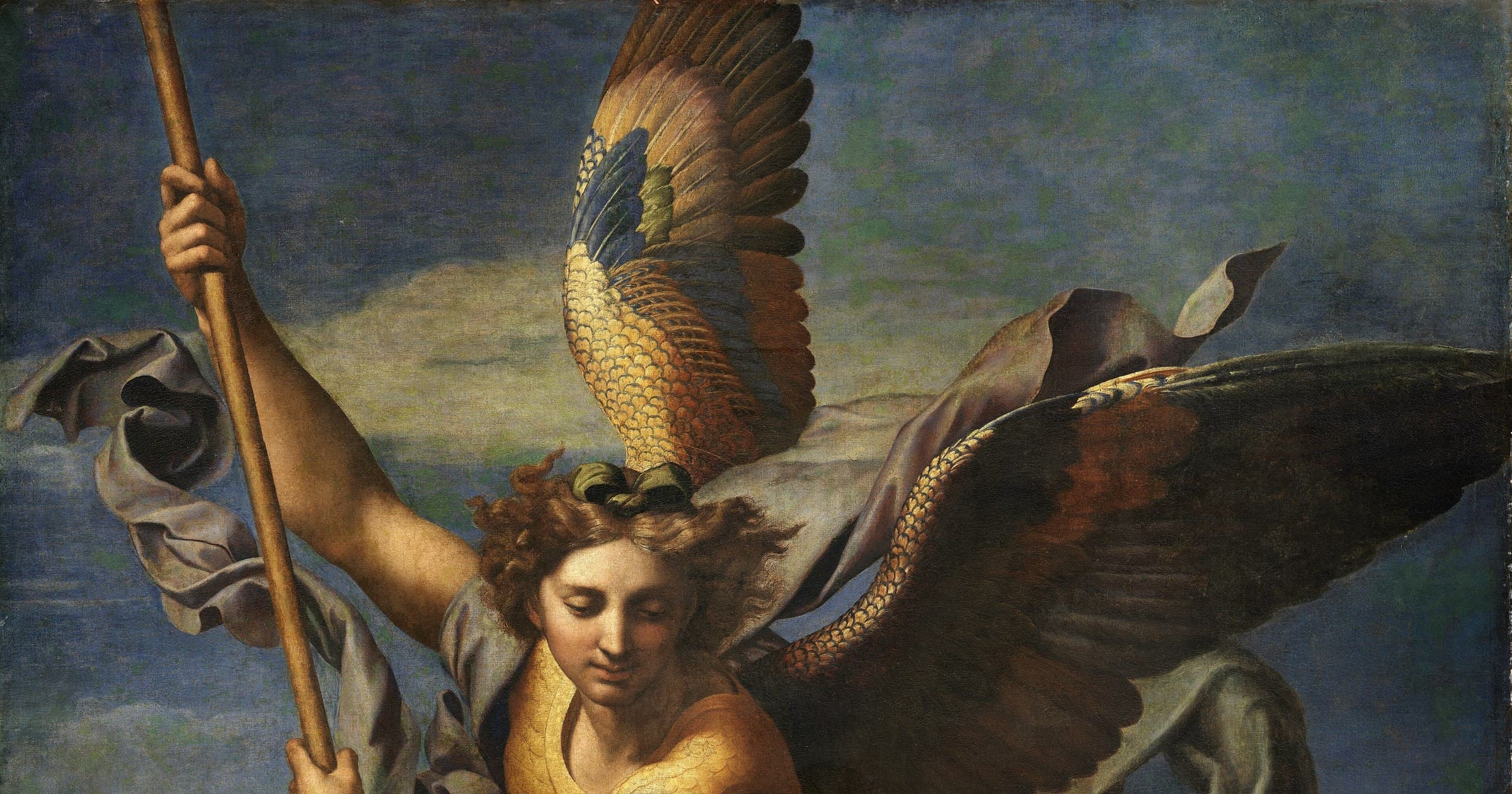
The El Niño texts were organised by Adams’s long-term collaborator, the director Peter Sellars, and embrace Hispanic poetry, medieval mystery plays, straight Bible narratives and tales from the New Testament Apocrypha – ending with two from pseudo-Matthew where the baby Jesus conquers dragons and persuades a desert palm tree to bend down so that Mary can enjoy its fruit. Voices of women – who, as Adams sharply says, know something about childbirth – figure prominently. The piece was written to be staged, though it unfolds so clearly that it needs no visual help to make its point.

In fact, for modern music (written in 2000) it’s an easy listen, opening out from Adams’s familiar, chugging minimalist riffs to passages of soaring lyricism and hypnotic beauty. And performed here with commanding soloists, all from America, and vigorous alertness from the orchestra and chorus, its accumulative magic won me over. But like many of the large-scale Adams/Sellars projects, there’s a self-indulgence in its liberality of ideas: some less good than others. A discriminating edit would produce a stronger, better structured piece.

Turning song cycles into staged theatre is fairly common these days, but I’ve never seen a more physically engaged or emotionally lacerating example than the Schumann double bill of Dichterliebe and Frauenlebe und Leben that’s been playing in London under the title Unknowing. The two sets of songs are interwoven – the male ones sung by David Jones, the female by Christine Cunnold – and made to tell a story of mutually destructive love so desperate, so harrowing (and so psychotic) that you can be grateful it lasts barely 50 minutes. Any longer and you’d be in breakdown – though the singers here should take that as a compliment. They hook you into their distress all too effectively. It’s not a pleasure, but it’s powerful.

Whether artists and musicians regard the birth of Christ in Bethlehem as history or poetry, it’s always been a potent narrative for them to adapt to the agenda of their times. And an example of our own time is John Adams’s dramatic oratorio El Niño, which was done in concert at the Barbican the other week by the London Symphony Orchestra and Chorus with the composer over from America to conduct.

The choice of title is significant. In scientific usage El Niño is a hurricane-force wind with the capacity to turn lives upside down. More broadly it’s a “boy-child”. And although this child is clearly Jesus, he’s a Jesus of today: born, as the Spanish usage indicates, in South America. A continent that North Americans (or at least, those who vote for Trump) associate with squalor, drugs and trouble.
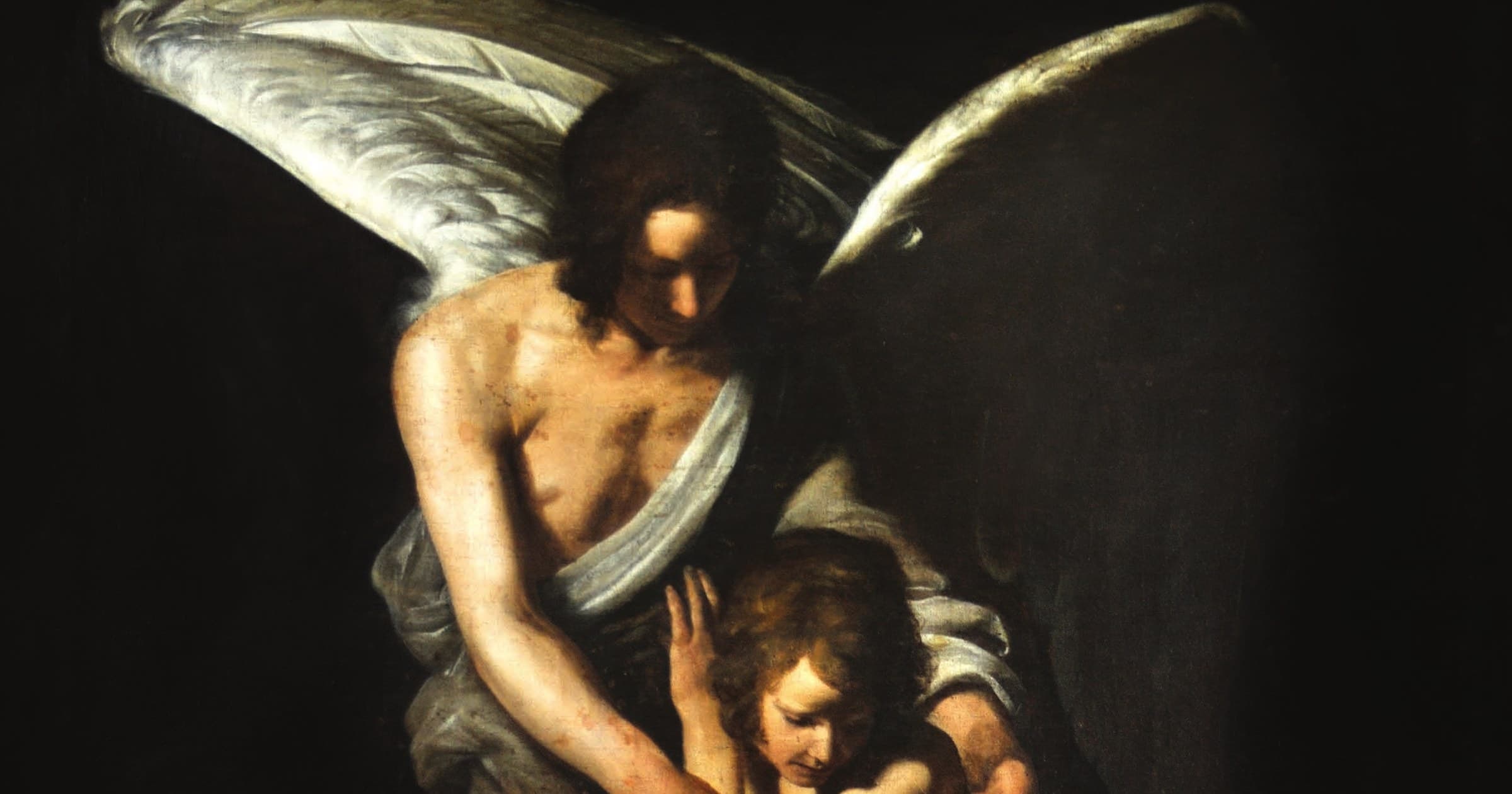
The El Niño texts were organised by Adams’s long-term collaborator, the director Peter Sellars, and embrace Hispanic poetry, medieval mystery plays, straight Bible narratives and tales from the New Testament Apocrypha – ending with two from pseudo-Matthew where the baby Jesus conquers dragons and persuades a desert palm tree to bend down so that Mary can enjoy its fruit. Voices of women – who, as Adams sharply says, know something about childbirth – figure prominently. The piece was written to be staged, though it unfolds so clearly that it needs no visual help to make its point.

In fact, for modern music (written in 2000) it’s an easy listen, opening out from Adams’s familiar, chugging minimalist riffs to passages of soaring lyricism and hypnotic beauty. And performed here with commanding soloists, all from America, and vigorous alertness from the orchestra and chorus, its accumulative magic won me over. But like many of the large-scale Adams/Sellars projects, there’s a self-indulgence in its liberality of ideas: some less good than others. A discriminating edit would produce a stronger, better structured piece.

Turning song cycles into staged theatre is fairly common these days, but I’ve never seen a more physically engaged or emotionally lacerating example than the Schumann double bill of Dichterliebe and Frauenlebe und Leben that’s been playing in London under the title Unknowing. The two sets of songs are interwoven – the male ones sung by David Jones, the female by Christine Cunnold – and made to tell a story of mutually destructive love so desperate, so harrowing (and so psychotic) that you can be grateful it lasts barely 50 minutes. Any longer and you’d be in breakdown – though the singers here should take that as a compliment. They hook you into their distress all too effectively. It’s not a pleasure, but it’s powerful.

subscribe to
the catholic herald

Continue reading your article with a subscription.
Read 5 articles with our free plan.
Subscribe

subscribe to the catholic herald today

Our best content is exclusively available to our subscribers. Subscribe today and gain instant access to expert analysis, in-depth articles, and thought-provoking insights—anytime, anywhere. Don’t miss out on the conversations that matter most.
Subscribe