January 15, 2026
January 15, 2026

Myanmar’s sham elections

Min read
share

With the eyes of the world focused on multiple other crises, whether Venezuela or Iran as the year began, or Ukraine and Gaza for the past few years, a forgotten tragedy continues to unfold in Myanmar, a country known to many as Burma. It is a humanitarian emergency and a human rights disaster every bit as egregious as any other, but it is happening largely out of the global spotlight.

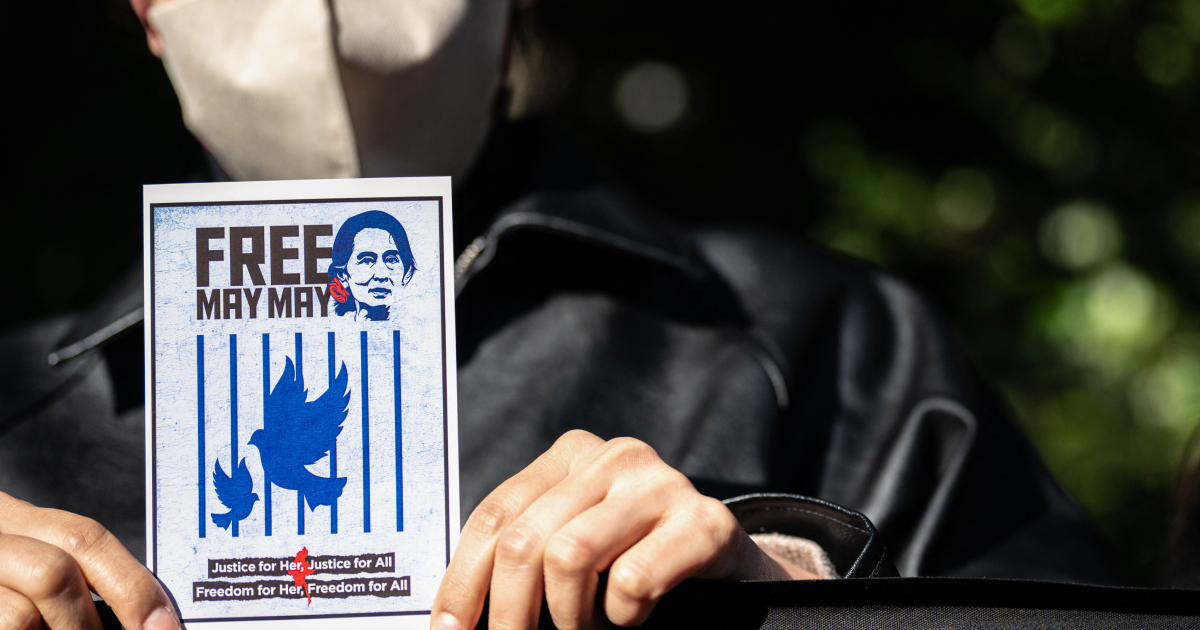
1 February will mark the fifth anniversary of the coup d’état in which the Commander-in-Chief of Myanmar’s armed forces, General Min Aung Hlaing, overthrew the democratically elected civilian government led by Aung San Suu Kyi and seized power. Since the 2021 coup, the illegal military junta has arrested more than 30,000 people and continues to hold around 22,000 political prisoners, including Ms Suu Kyi, in jail today. The United Nations estimates that almost 20 million people, around a third of the population, are in urgent need of humanitarian aid, and almost 4 million are internally displaced. The real figures, according to civil society organisations on the ground, could be much higher.

Much of Myanmar’s humanitarian crisis is man-made. While the country was struck by a devastating 7.1-magnitude earthquake on 28 March last year, which caused widespread death and destruction, much of the ongoing displacement and poverty is the result of the military’s war on its own people. Not only has the junta crashed the economy, more alarmingly it is conducting daily airstrikes across the country, deliberately targeting schools, hospitals, places of worship and homes. It is using military jets to drop bombs on civilians, but it is also deploying drones, paragliders, paramotors and gyrocopters. On 10 December last year, International Human Rights Day, the military bombed a hospital in Rakhine State, killing more than 30 people.

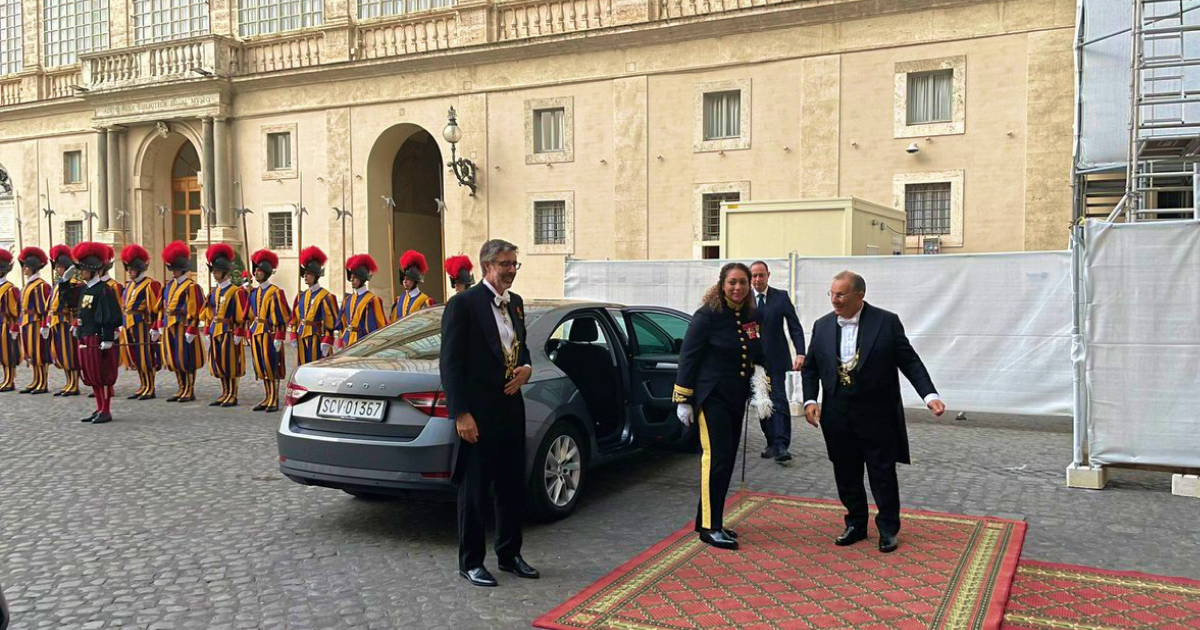
These airstrikes have been well documented by human rights organisations such as Fortify Rights, which in recent months has published two reports, Crashing Down on Us and Horrific Sight to Witness. That is why Pope Leo XIV’s reference to the importance of international humanitarian law broadly, and to the crisis in Myanmar in particular, in his “State of the World” speech to diplomats in Rome last week is so welcome. “We cannot ignore that the destruction of hospitals, energy infrastructure, homes and places essential to daily life constitutes a severe violation of international humanitarian law,” he said.

Yet it is in this context that the military dictatorship is currently holding so-called “elections”, in three phases. The first round took place just after Christmas, on 28 December. The second was held last Sunday, 11 January. The third phase will be on 25 January. There is nothing credible or legitimate about these elections. They are a total sham, a charade designed to gain legitimacy for the military. They represent nothing more than a rebranding exercise, not an era of reform. This is not a general election, but a rigged election of generals.

For a start, more than 40 political parties, including Ms Suu Kyi’s National League for Democracy, which overwhelmingly won the previous elections in 2020 and 2015, have been dissolved by the junta and barred from contesting the vote. Criticism of the elections is now a criminal offence under a new decree, punishable by up to 20 years in prison, or in some circumstances the death penalty. More than 100 people have been arrested so far.

Civil society and independent media cannot function freely or safely. The brave activists and journalists who continue to operate do so underground, at great risk to themselves, from parts of Myanmar outside the regime’s control, or in exile. Internet access is restricted, and freedom of expression, association and assembly is denied. Any semblance of the rule of law or an independent judiciary is in tatters.

Perhaps most significantly, as a result of the junta’s war against its people, involving daily airstrikes and drone attacks across much of the country, most of Myanmar’s population is effectively disenfranchised. Voting cannot take place in war zones or in territory under the control of pro-democracy resistance groups and ethnic armed organisations. The regime was able to compile voter lists in only 145 of Myanmar’s 330 townships. The entire Rohingya population, a predominantly Muslim ethnic group that has suffered genocide over the past decade and more, is entirely excluded.

Even in those areas where voting is held, turnout is low. In the first phase, turnout was reported to be no more than 52 per cent and most of those who do vote are doing so under duress.

A poll in which less than half the population is eligible to vote, little more than half of those eligible actually turn out, opposition parties are banned, criticism of the election is illegal, civil society and journalists are driven into hiding, and much of the population faces bombardment and attack by the military, cannot be regarded as legitimate. The military-backed parties are already declaring a landslide victory, and no wonder. They have rigged it so blatantly that it was sewn up from the start.

So how should the world respond? First, it should reject this sham election for the charade that it is, and do nothing whatsoever to legitimise either the process, the result, or whatever “government” subsequently takes office. Rather than endorsing a fraudulent exercise, governments should support the legitimate alternative: opposition leaders and state-level governance structures that are already working to protect civilians and administer territory in the face of military rule.

Second, world leaders must speak out and seek to coordinate action to help the people of Myanmar. That means further targeted sanctions against the military regime, enforcement of a global arms embargo, a blockade on aviation fuel to impede the military’s capacity to bomb, and new flows of humanitarian aid to displaced people, delivered through local civil society and cross-border mechanisms. Pressure should also be intensified on the junta to release Ms Suu Kyi and all political prisoners.

Third, efforts to secure accountability for mass atrocity crimes, war crimes, crimes against humanity and genocide, must be pursued. It is significant that the day after the second phase of the sham elections, proceedings brought by The Gambia against Myanmar in the International Court of Justice, accusing the military of genocide against the Rohingya, began. The perpetrators of mass atrocity crimes must be brought to justice. The generals currently eyeing their sham election victory should instead be in the dock.

As we approach the fifth anniversary of the coup, world leaders must act to bring an end to this nightmare for Myanmar. The Church, too, can show moral leadership. Pope Francis paid particular and consistent attention to Myanmar, including becoming the first pontiff to visit the country in 2017, and Pope Leo has spoken of and prayed for the country several times since his election. If he were to use his position to galvanise a world already overloaded with crises to turn its attention to one more, Myanmar’s, he could help deliver the people of that beautiful but benighted country from five years of darkness.

Benedict Rogers is a human rights activist and writer, Senior Director at Fortify Rights, and author of three books on Myanmar, including “Burma: A Nation at the Crossroads”. He became a Catholic in Myanmar in 2013, and his faith story is told in his book “From Burma to Rome: A Journey into the Catholic Church”.
With the eyes of the world focused on multiple other crises, whether Venezuela or Iran as the year began, or Ukraine and Gaza for the past few years, a forgotten tragedy continues to unfold in Myanmar, a country known to many as Burma. It is a humanitarian emergency and a human rights disaster every bit as egregious as any other, but it is happening largely out of the global spotlight.

1 February will mark the fifth anniversary of the coup d’état in which the Commander-in-Chief of Myanmar’s armed forces, General Min Aung Hlaing, overthrew the democratically elected civilian government led by Aung San Suu Kyi and seized power. Since the 2021 coup, the illegal military junta has arrested more than 30,000 people and continues to hold around 22,000 political prisoners, including Ms Suu Kyi, in jail today. The United Nations estimates that almost 20 million people, around a third of the population, are in urgent need of humanitarian aid, and almost 4 million are internally displaced. The real figures, according to civil society organisations on the ground, could be much higher.

Much of Myanmar’s humanitarian crisis is man-made. While the country was struck by a devastating 7.1-magnitude earthquake on 28 March last year, which caused widespread death and destruction, much of the ongoing displacement and poverty is the result of the military’s war on its own people. Not only has the junta crashed the economy, more alarmingly it is conducting daily airstrikes across the country, deliberately targeting schools, hospitals, places of worship and homes. It is using military jets to drop bombs on civilians, but it is also deploying drones, paragliders, paramotors and gyrocopters. On 10 December last year, International Human Rights Day, the military bombed a hospital in Rakhine State, killing more than 30 people.

These airstrikes have been well documented by human rights organisations such as Fortify Rights, which in recent months has published two reports, Crashing Down on Us and Horrific Sight to Witness. That is why Pope Leo XIV’s reference to the importance of international humanitarian law broadly, and to the crisis in Myanmar in particular, in his “State of the World” speech to diplomats in Rome last week is so welcome. “We cannot ignore that the destruction of hospitals, energy infrastructure, homes and places essential to daily life constitutes a severe violation of international humanitarian law,” he said.

Yet it is in this context that the military dictatorship is currently holding so-called “elections”, in three phases. The first round took place just after Christmas, on 28 December. The second was held last Sunday, 11 January. The third phase will be on 25 January. There is nothing credible or legitimate about these elections. They are a total sham, a charade designed to gain legitimacy for the military. They represent nothing more than a rebranding exercise, not an era of reform. This is not a general election, but a rigged election of generals.

For a start, more than 40 political parties, including Ms Suu Kyi’s National League for Democracy, which overwhelmingly won the previous elections in 2020 and 2015, have been dissolved by the junta and barred from contesting the vote. Criticism of the elections is now a criminal offence under a new decree, punishable by up to 20 years in prison, or in some circumstances the death penalty. More than 100 people have been arrested so far.

Civil society and independent media cannot function freely or safely. The brave activists and journalists who continue to operate do so underground, at great risk to themselves, from parts of Myanmar outside the regime’s control, or in exile. Internet access is restricted, and freedom of expression, association and assembly is denied. Any semblance of the rule of law or an independent judiciary is in tatters.

Perhaps most significantly, as a result of the junta’s war against its people, involving daily airstrikes and drone attacks across much of the country, most of Myanmar’s population is effectively disenfranchised. Voting cannot take place in war zones or in territory under the control of pro-democracy resistance groups and ethnic armed organisations. The regime was able to compile voter lists in only 145 of Myanmar’s 330 townships. The entire Rohingya population, a predominantly Muslim ethnic group that has suffered genocide over the past decade and more, is entirely excluded.

Even in those areas where voting is held, turnout is low. In the first phase, turnout was reported to be no more than 52 per cent and most of those who do vote are doing so under duress.

A poll in which less than half the population is eligible to vote, little more than half of those eligible actually turn out, opposition parties are banned, criticism of the election is illegal, civil society and journalists are driven into hiding, and much of the population faces bombardment and attack by the military, cannot be regarded as legitimate. The military-backed parties are already declaring a landslide victory, and no wonder. They have rigged it so blatantly that it was sewn up from the start.

So how should the world respond? First, it should reject this sham election for the charade that it is, and do nothing whatsoever to legitimise either the process, the result, or whatever “government” subsequently takes office. Rather than endorsing a fraudulent exercise, governments should support the legitimate alternative: opposition leaders and state-level governance structures that are already working to protect civilians and administer territory in the face of military rule.

Second, world leaders must speak out and seek to coordinate action to help the people of Myanmar. That means further targeted sanctions against the military regime, enforcement of a global arms embargo, a blockade on aviation fuel to impede the military’s capacity to bomb, and new flows of humanitarian aid to displaced people, delivered through local civil society and cross-border mechanisms. Pressure should also be intensified on the junta to release Ms Suu Kyi and all political prisoners.

Third, efforts to secure accountability for mass atrocity crimes, war crimes, crimes against humanity and genocide, must be pursued. It is significant that the day after the second phase of the sham elections, proceedings brought by The Gambia against Myanmar in the International Court of Justice, accusing the military of genocide against the Rohingya, began. The perpetrators of mass atrocity crimes must be brought to justice. The generals currently eyeing their sham election victory should instead be in the dock.

As we approach the fifth anniversary of the coup, world leaders must act to bring an end to this nightmare for Myanmar. The Church, too, can show moral leadership. Pope Francis paid particular and consistent attention to Myanmar, including becoming the first pontiff to visit the country in 2017, and Pope Leo has spoken of and prayed for the country several times since his election. If he were to use his position to galvanise a world already overloaded with crises to turn its attention to one more, Myanmar’s, he could help deliver the people of that beautiful but benighted country from five years of darkness.

Benedict Rogers is a human rights activist and writer, Senior Director at Fortify Rights, and author of three books on Myanmar, including “Burma: A Nation at the Crossroads”. He became a Catholic in Myanmar in 2013, and his faith story is told in his book “From Burma to Rome: A Journey into the Catholic Church”.
share

subscribe to the catholic herald today

Our best content is exclusively available to our subscribers. Subscribe today and gain instant access to expert analysis, in-depth articles, and thought-provoking insights—anytime, anywhere. Don’t miss out on the conversations that matter most.
Subscribe