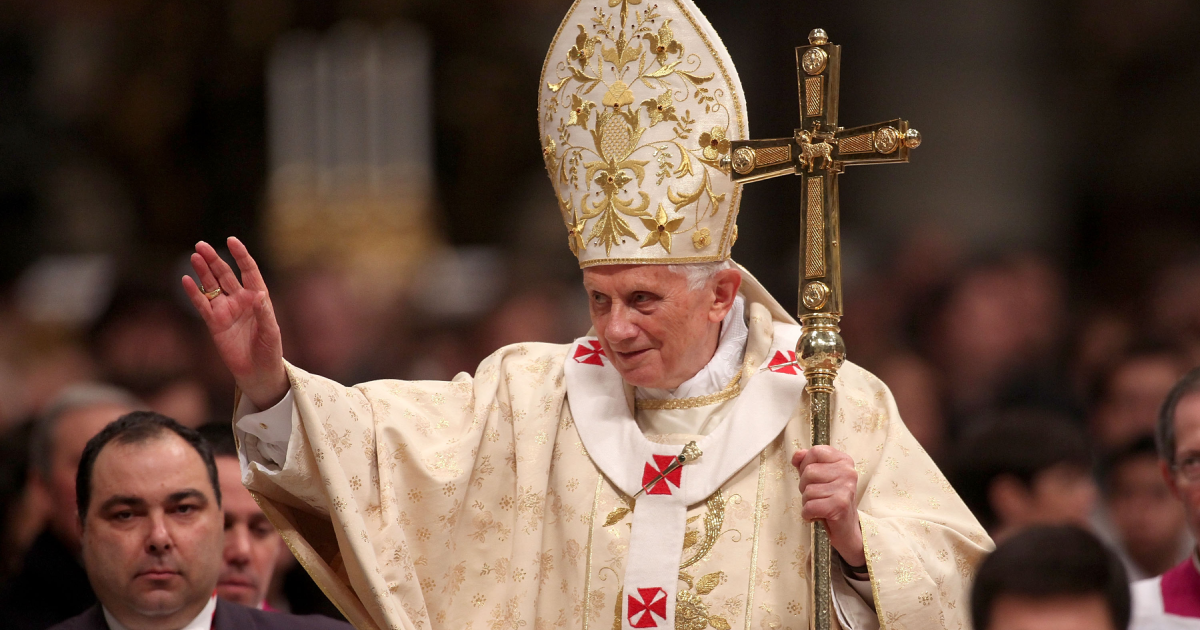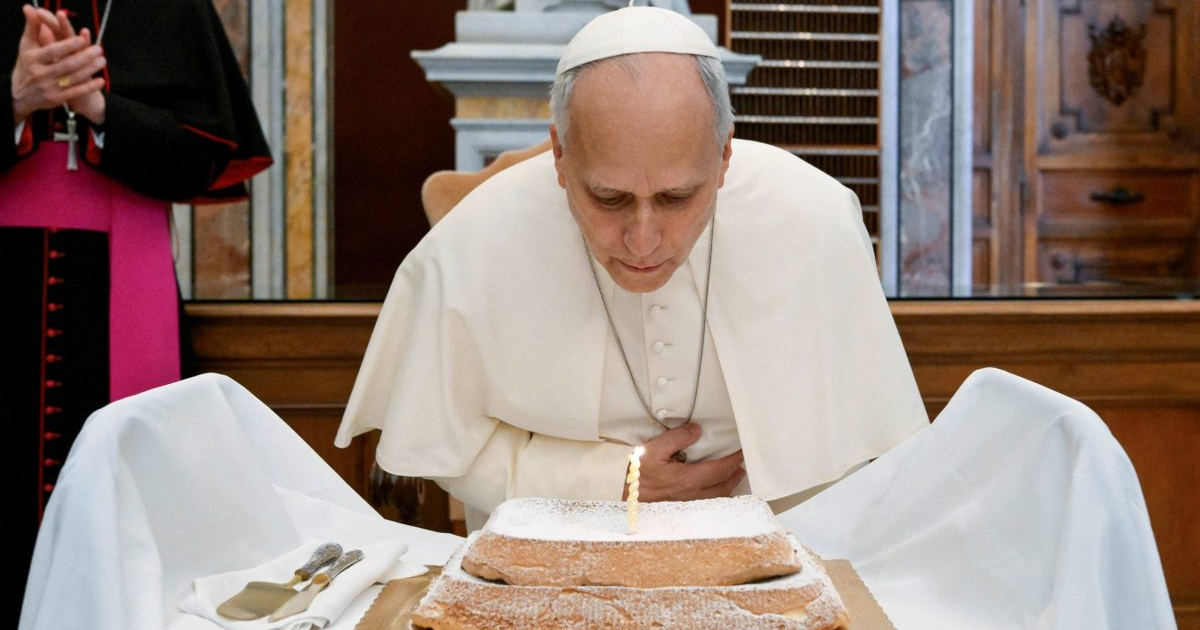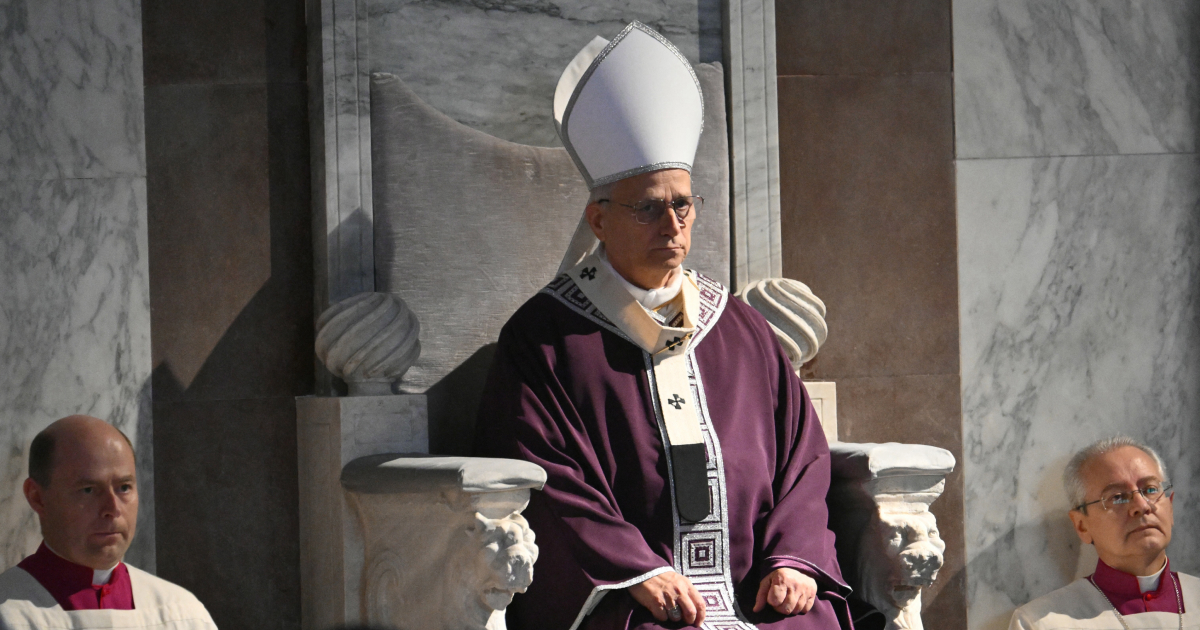


While the Pope himself may have been deep in the spirit of Lenten reflection this week, that has not stopped the wheels of motion continuing around him as Germany prepares for an ecclesial fight and Africa awaits its poignant Leonine voyage.
Sequestered away in the beautiful environs of the Pauline Chapel in the Apostolic Palace, Pope Leo XIV will hopefully have had a largely peaceful week. The annual Lenten retreat for the Pope and leading figures of the Roman Curia began last Sunday evening and concluded on Friday afternoon.
Led by Bishop Erik Varden, the daily schedule was sparing in agenda items but heavy in content. Two reflections per day were delivered by the widely acclaimed spiritual writer, bookended by Lauds and Vespers and Eucharistic Adoration. The entire affair was reassuringly Catholic and, for those who have enjoyed liberal usage of the joke ‘Is the Pope Catholic?’ in recent years, such scenes will be very welcome.
Varden – whose leadership of the retreat was notable – has swiftly published his daily reflections online, demonstrating that though delivered to the Pope, the bishop’s thoughts are clearly also aimed at a wider audience.
One anecdotal element has been the regular appearance of certain cardinals – at this and other papal events – who, due to intense scandal surrounding them, have largely disappeared from public life and thus public memory. Nevertheless, Cardinal Angelo Becciu and Cardinal Francesco Coccopalmerio have both made an intriguing and concerted effort to be present and attentive in recent months, perhaps keen to win Leo’s friendship or tacit support for their beleaguered causes. In 2023, Becciu was handed a five-and-a-half-year jail term by a Vatican court on charges of embezzlement and is widely viewed as being at the heart of the Vatican’s financial woes. Meanwhile, Coccopalmerio’s reputation has been tarnished since it was reported in 2017 that a drug-fuelled party took place in the Vatican apartment allotted to his private secretary.
Yet though Leo himself may have been entering into the spirit of Lent – and certain cardinals likely using the daily retreat as an opportunity to lobby him for a cause – it has not been as quiet elsewhere in the Church.
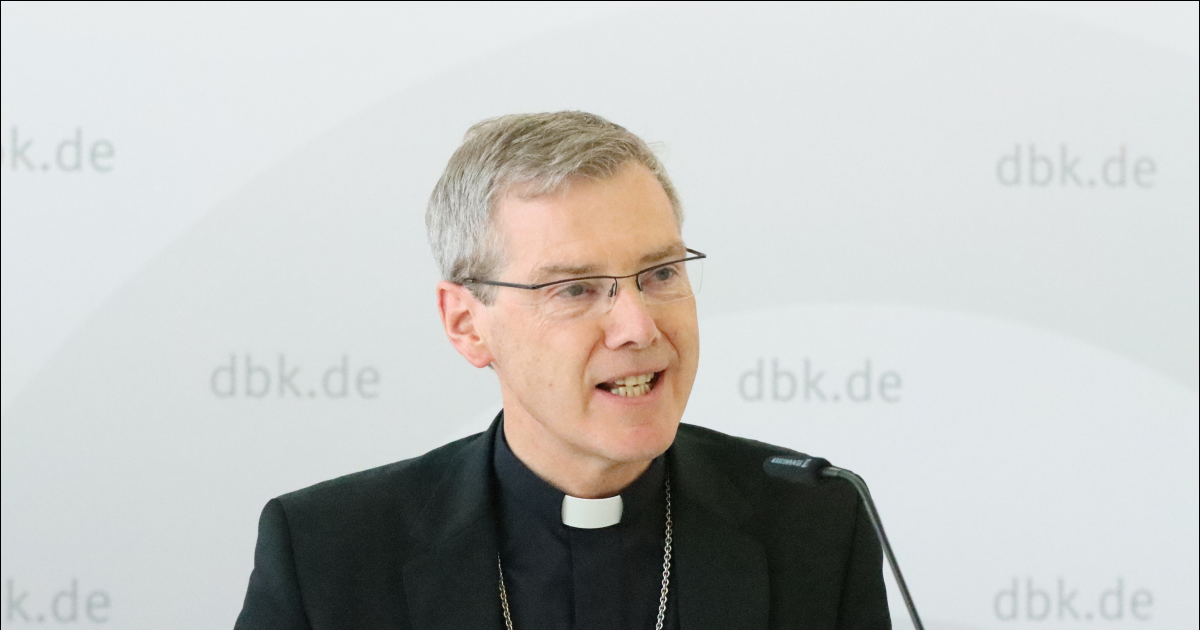
The German Bishops’ Conference (DBK) took centre stage this week with the election of a new chairman, Bishop Heiner Wilmer SCJ. Wilmer, the Bishop of Hildesheim, will hold the role for six years and thus become the German Church’s point man in negotiations with the Holy See.
Wilmer has been described by some as a nuanced pick for the Church in Germany, a balanced man to succeed the outgoing chairman, Bishop Georg Bätzing. But his record on doctrine, morality and ecclesiology confounds this view.
During the recent years of the Synodal Way, which concluded in 2023, Wilmer is on record as supporting an end to clerical celibacy, the ordination of women, approval of same-sex relations and an upending of Catholic moral teaching. The bishop has also established a ‘queer-sensitive pastoral care’ in his diocese, offering affirming support to LGBT individuals leading lives contrary to Church teaching.
Such views are by no means abnormal among the German episcopate, but what will arguably be even more crucial is Wilmer’s endorsement and championing of the permanent Synodal Conference – the mixed lay and clerical body which seeks to have governing oversight for the Church in the nation.
Formerly styled the Synodal Council, the body has already been firmly opposed by the Holy See due to the direct assault it makes upon the hierarchical structure of the Church. Yet undeterred, the DBK also voted this week to approve the statutes of the Conference, along with the equally controversial request for the Holy See to grant permission for lay men and women to deliver sermons at Mass.
The next step is for the Vatican to give its authoritative verdict on the two matters. But the process is key: the DBK has ignored the Holy See’s constant and repeated rejection of both issues and once again lobbied for authorisation of its illicit requests.
In electing Bishop Wilmer as chairman, the DBK has ensured that he will champion its cause in Rome with renewed vigour, meaning that it will be up to Leo and his – as yet undecided – curial prefects to respond with equal force.
In light of this, and the looming decision regarding the episcopal consecrations for the Society of Saint Pius X, the swathe of papal voyages announced this week appeared almost as an escape for Leo away from the intensity of these crises. Though the full itinerary is yet to be published, the destinations are at least known: The Principality of Monaco on 28 March; Algeria, Cameroon, Angola and Equatorial Guinea from 13–23 April; and Spain and the Canary Islands from 6–12 June.
Each destination will naturally have a different focus: diplomatic, missionary or celebratory. Monaco’s one-day trip will be built mainly around diplomacy, visiting the royals, dignitaries and politicians of the Catholic nation state. In contrast, Africa will be a chance for Leo to walk in the footsteps of his spiritual father, St Augustine, while promoting peace and likely highlighting the Christian persecution endemic in many nations, including Cameroon and neighbouring Nigeria.
It is this voyage – more so than the Spanish portion of his travels – which is likely to see the most poignant moments for the new Pope. Indeed, his early attention to the sub-Saharan African nations is in itself notable.
Only a few months ago, the Vatican Secretary of State contradicted experts and downplayed Christian persecution in the region as being due to land disputes rather than religious bias. Leo’s decision to visit some of those same nations, where Christians are killed with concerning frequency, shows he is keen to see for himself the reality on the ground.
Closer to home, Leo’s appointment of four new auxiliary bishops for the Diocese of Rome reveals his desire to restore a sense of order to the diocese which, in recent years, has become disorganised, bereft of auxiliaries and consequently marked by strong dissatisfaction among the diocesan clergy with his predecessor.
Francis had chopped and changed the structure and order of the diocese, gradually promoting its auxiliaries away to serve in other sees. For many years, the diocese visited by thousands of pilgrims every year was in a steady state of organisational decline and haemorrhaging vocations. With a sense now of normality on the way, perhaps both issues might be reversed.