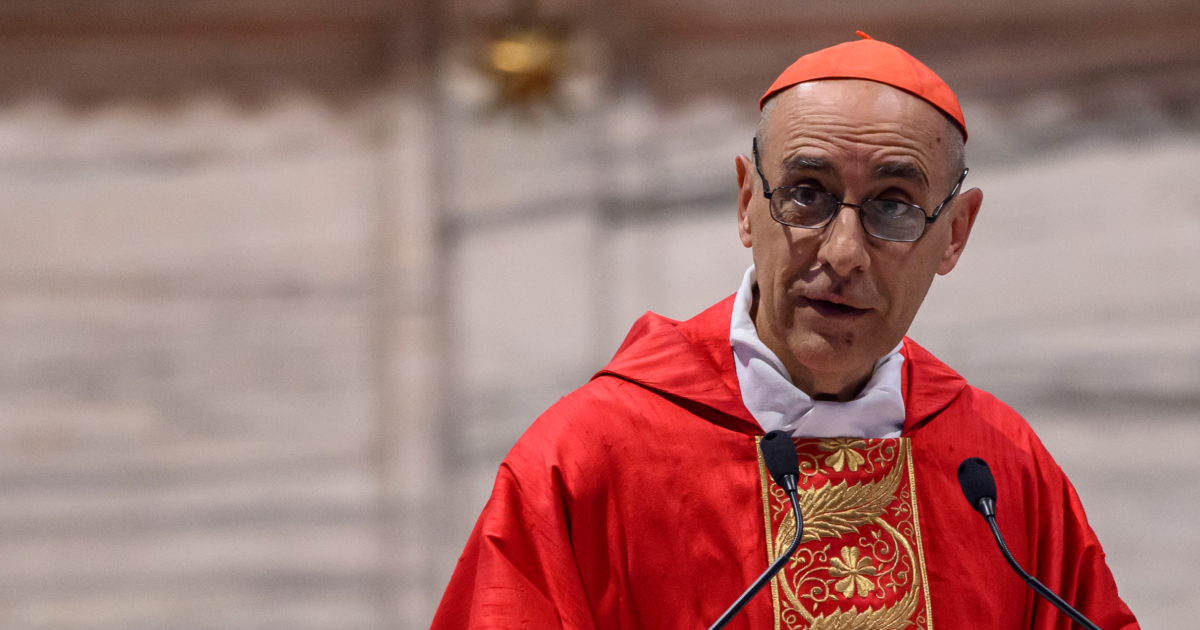


The past few days, replete with revelations and drama around the Society of Saint Pius X, have emphasised something that many have not yet fully noticed. At the risk of being reductionist, one overlooked aspect is the influence that Cardinal Víctor Manuel Fernández is having on the Catholic Church.
Catholic Herald readers will by now be well acquainted with the February 2 statement from the SSPX announcing episcopal consecrations for July 1. For Fr Davide Pagliarani, SSPX Superior General, the decision was a natural one in light of what he interpreted as a breakdown in negotiations between the Society and the Holy See.
His request for a papal audience last summer was disregarded, and a subsequent detailed letter to the Pope was answered in recent days by Cardinal Fernández. Don Davide wrote that it “does not in any way respond to our requests”.
The Church has been taken by storm by the news, and reactions have varied greatly. Some have made the charge of active schism, others have sought to defend the Society, while fewer have attempted to analyse what this will mean for the Church.
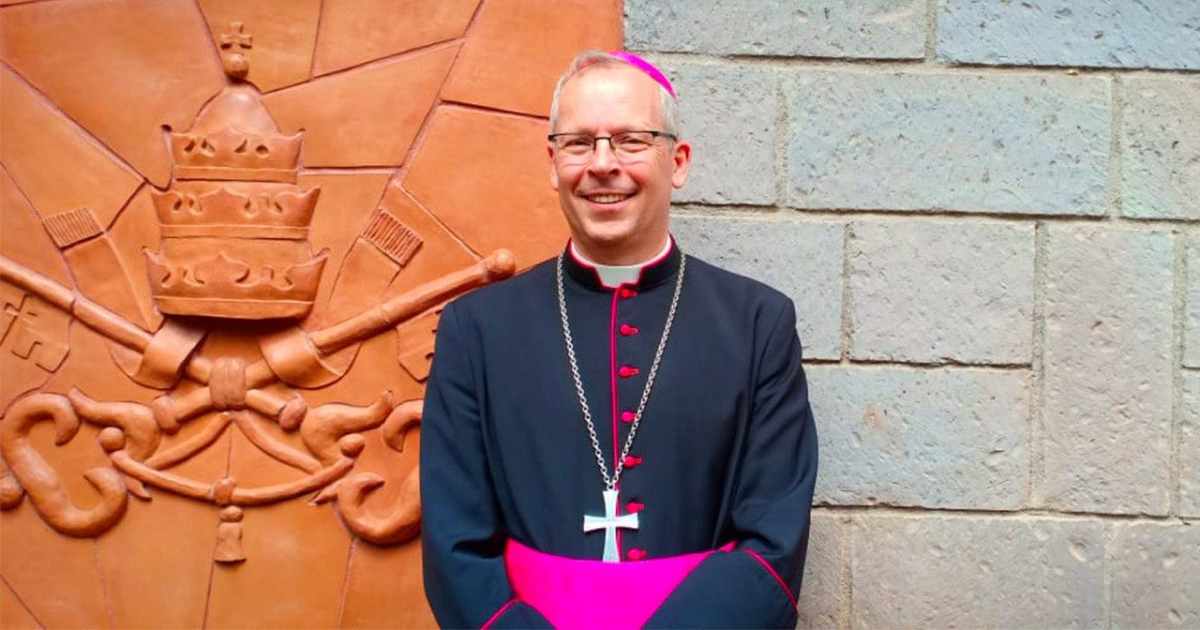
Una Voce International issued a measured response, calling on Leo to be “mindful of these pastoral realities”, which see many Catholics flock to the traditional liturgies. Bishop David Waller of the Ordinariate cautioned strongly against the consecrations, while telling the Herald that the very discussion “is indicative of a serious ecclesiological problem in itself, regardless of whether such consecrations go ahead”.
Undoubtedly, it will force Leo XIV to address the question of the traditional Mass, perhaps sooner than he would have otherwise wished. Though not afraid to implement the law when necessary, Leo tends to govern by consent. He will be tested if he is to build one of his famous bridges after having his hand forced in this manner.
This is where Fernández becomes relevant. In an interview with the SSPX in-house news service, Fr Pagliarani pointed to Fernández’s documents, such as Mater Populi Fidelis, and actions, such as his promotion of synodality and divorcing the kerygma from Tradition, as key elements in the decision to proceed with the episcopal consecrations.
The priest made the criticisms of Cardinal Joseph Zen his own: “Cardinal Zen himself considers this method manipulative and considers attributing it to the Holy Ghost blasphemous. Unfortunately, I fear that he is right.”
Mater Populi Fidelis appears to have been almost the last straw for the Society, according to the impression given by Pagliarani. A reader has only to examine Pagliarani’s homily, in which he made the announcement, to understand how closely the two are linked. There is a line that can be drawn between Rome’s rejection of Mary as Co-Redemptrix and the arrival of incoming bishops for the Society.
Faced with this realisation, no matter what one thinks about the SSPX’s decision, the controversy surrounding Fernández since assuming office becomes clearer. The SSPX are not alone in criticising his actions, and they have highlighted his conduct since he arrived in July 2023.
Leo has tasked Fernández with a one-on-one meeting with Pagliarani next week. If the cardinal maintains his current position, the meeting appears unlikely to lead to a resolution.
The argument can be made that the SSPX did not pay proper attention to the delicate diplomatic situation in the Vatican and that they may have made their declaration at a time that could backfire for them and the traditional movement generally. One thing appears certain: Cardinal Fernández seems unlikely to persuade Fr Pagliarani to change his position.
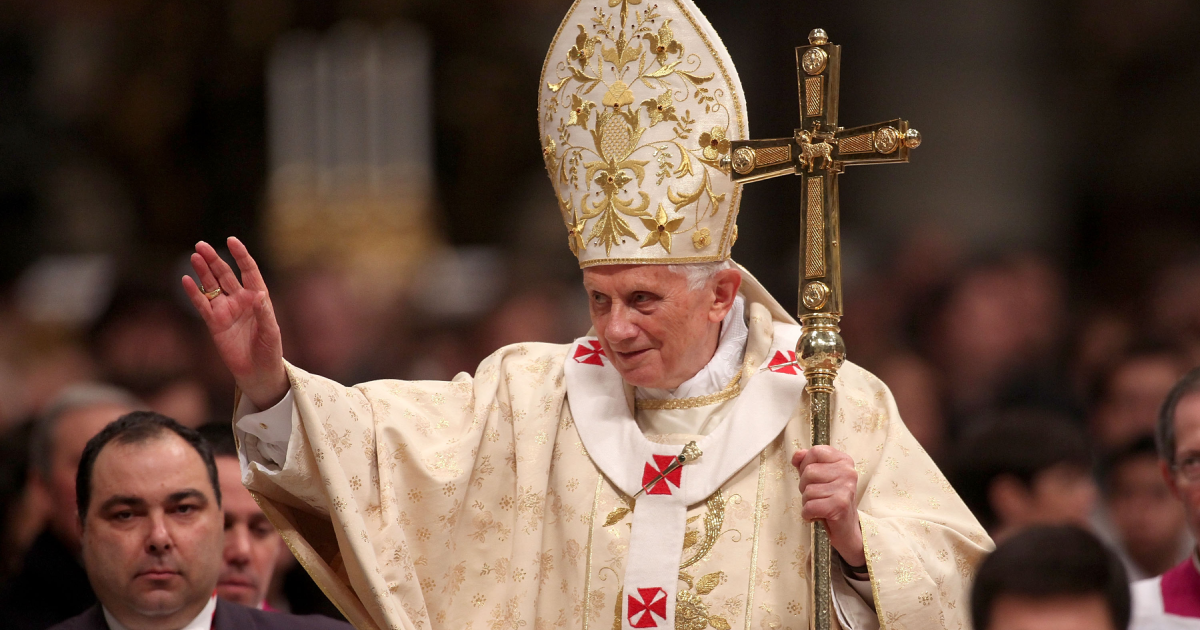
Other aspects of the Vatican calendar would have carried their own headlines had the tension between the Society and the Holy See not dominated Catholic news in recent days. On January 31, Pope Leo continued his condemnation of abortion when he welcomed participants in the “One Humanity, One Planet” conference.
Quoting Mother Teresa, “the greatest destroyer of peace today is abortion”, Leo described such words as remaining “prophetic”.
“No policy can genuinely serve the people if it denies the unborn the gift of life, or if it neglects to support those in need, whether in their material circumstances or in their spiritual distress,” he said.
It was also a significant week for the cardinals, since Leo oversaw the restoration of the living stipend. Removed by Pope Francis in 2023, the stipend enabled cardinals to live in extraterritorial property of the Holy See at subsidised rates in order to fulfil their duties. Francis removed the subsidy, requiring many to pay higher rates, apart from those who received exemptions granted by the Pope.
Meanwhile, another of Francis’s initiatives remains in place. The 2026 Zayed Award for Human Fraternity took place on February 4, having become an annual event following the 2019 Abu Dhabi Declaration signed by Francis and the Grand Imam of al-Azhar. Apart from those gathered on site, the award has attracted less attention in recent years.
In contrast, Bishop Erik Varden, the Trappist monk who serves as bishop of Trondheim and was formerly abbot of Mount Saint Bernard Abbey in England, has received increasing attention. Varden’s spiritual writings and scriptural commentary have gained a large following, and he is viewed by many as a prelate concerned with preserving tradition.
His selection to deliver the five-day Lenten spiritual exercises for the Pope and Roman Curia has attracted particular interest. Varden’s meditations will be delivered in the Pauline Chapel of the Apostolic Palace, rather than the Redemptoris Mater Chapel or the Paul VI Audience Hall.
Many have suggested that Varden could assume greater responsibility in the future, though any such development remains uncertain.