January 31, 2026
January 31, 2026

Vatican dispatch: Schwarzenegger and Confession, and more returns to papal customs

Min read
share

In a period that saw the close of the annual Week of Prayer for Christian Unity, one might be forgiven for thinking that the leading story about Leo this week would be his ecumenism, but I argue it actually involves Arnold Schwarzenegger.

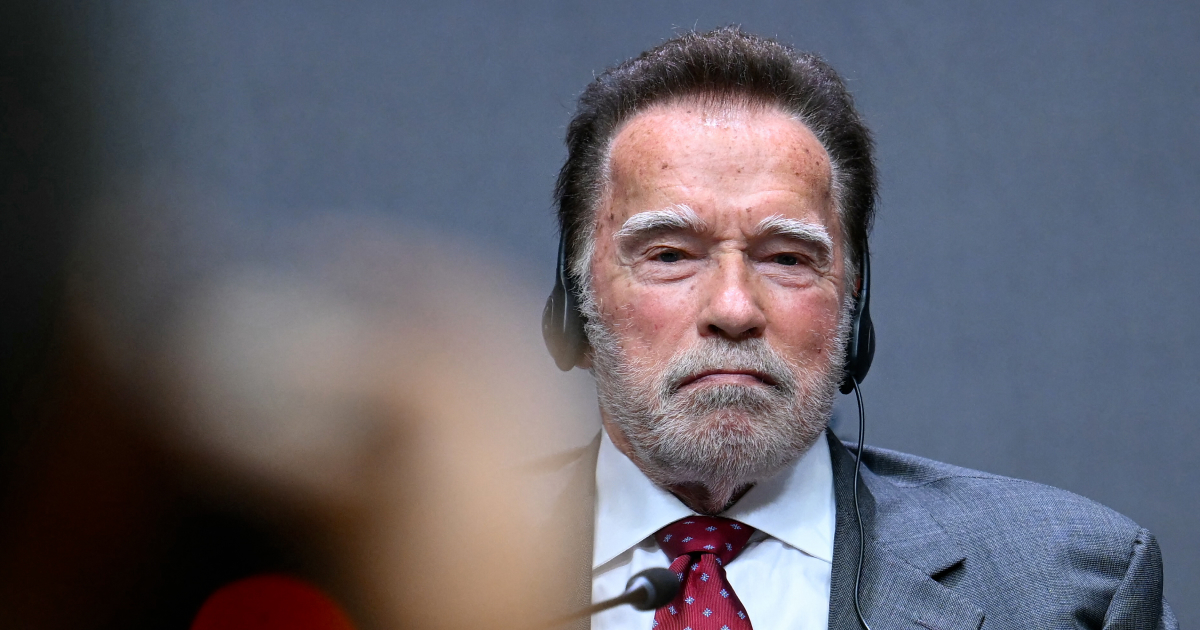
Last weekend, Schwarzenegger told German outlet Bild about his private meeting with Leo XIV on the sidelines of a climate change event at the Vatican in October. According to Schwarzenegger, Leo asked if the actor wished to step aside in order for the Pope to hear his Confession, to which he replied lightly: “You don’t want to do that – it would take three hours.”

At the time, the event in question garnered strong criticism from many, due to the bizarre optics of Leo blessing a block of ice as part of the “blessing of the waters” element of the ceremony, aimed at raising awareness of ecological issues. Meanwhile, during the press conference linked to the event, Schwarzenegger very much leaned into his passion project and called each member of the Catholic clergy to “be a crusader for the environment”.

This detail of Leo’s meeting with Schwarzenegger and offering him Confession reveals a distinctly Catholic and fatherly element to these papal audiences he grants to celebrities – audiences which have often been questioned by many Catholics as to their purpose and efficacy. If, for the prestige of meeting the Pope, such personalities have to be faced with the reality of their sin and the salvific grace of God, then perhaps there is more practice of the spiritual life in Rome than has been previously understood.

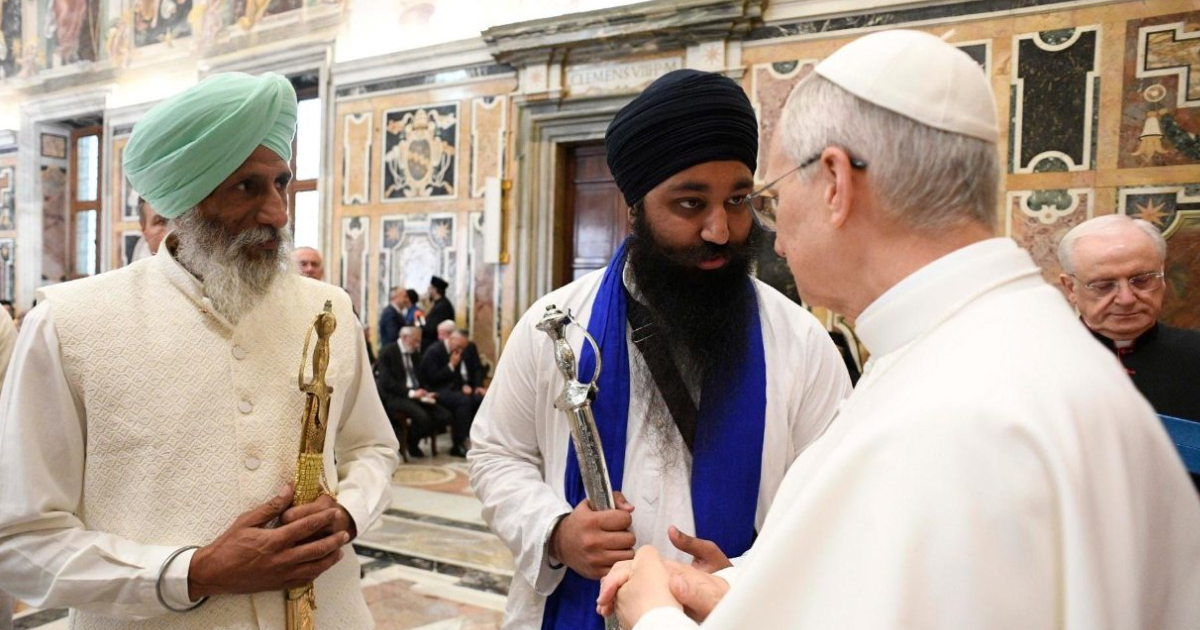
On the more international scene, Leo participated in his first Week of Prayer for Christian Unity, closing the annual event by presiding over Vespers for the feast of the Conversion of St Paul. This has gradually become the event par excellence for devotees of the ecumenical movement, and under Pope Francis it saw increasing links between Catholics, Anglicans and the Orthodox in ways that many commentators warned fostered interreligious indifferentism.

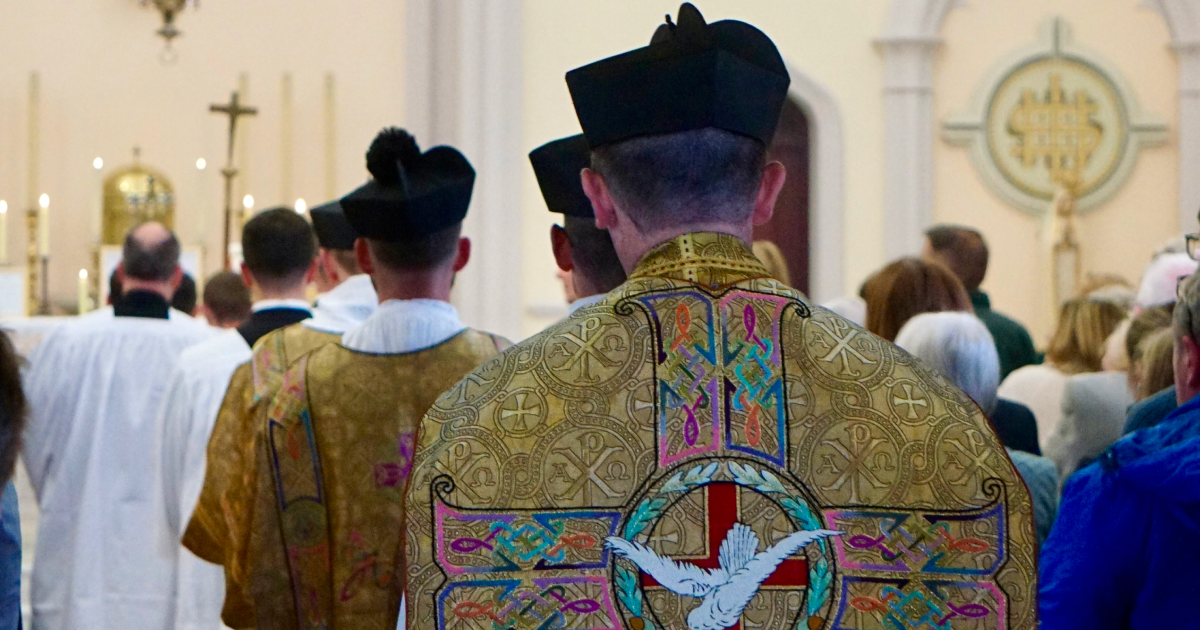
This year it was somewhat different, with a subtle yet distinct Catholic sensitivity which had been lacking in recent years. So also, yet another liturgical custom was renewed, after last being witnessed under Pope Benedict XVI, namely the highly ornamented clasp or morse for the Pope’s cope.

One thing remained constant in the affair, however, and that was the link between synodality and ecumenism. Such a relationship has been highly promoted by the Vatican since the Synod on Synodality began in 2021, resulting in the presence of a number of ecumenical delegates at the Vatican meetings in 2023 and 2024.

But despite such a high-profile link, there have been no notable doctrinal advances made in healing the schisms which still exist. Arguably, the version of synodality practised at the Vatican is in fact a hindrance to fruitful relations with the Orthodox, who do not take kindly to the equal footing given to prelates and laity at the Synod on Synodality.

By emphasising the intrinsic union between ecumenism and synodality, Leo will doubtless be hoping to reinvigorate Catholic–Orthodox dialogue and, in order to do so, perhaps transform synodality into a more traditional method of discussion between just the Pope and the College of Cardinals.

Another sign that he is becoming increasingly aware of the thin line he must walk as pontiff is the fact that Leo XIV is now generally no longer fielding questions from journalists as he leaves Castel Gandolfo on Tuesday evenings. Such off-the-cuff interventions gave rise to some of the most political lines in his still young pontificate, and were widely viewed as dangerous for the Pope to speak so regularly in such an unprepared manner. Even Pope Francis’ press conferences were limited to his international journeys, rather than being every week, and those gave rise to some of the spiciest headlines of his pontificate.

Indeed, Leo has no need to foster further confusion at the Vatican since Cardinal Victor Manuel Fernández, prefect of the Congregation for the Doctrine of the Faith, seems to have that safely in hand. The cardinal’s record since coming to office in mid-2023 has lurched from controversy to disaster, month after month. Nearly every document published by his office under his jurisdiction has been mired in imprecision, verbose confusion and theologically contested elements – think especially of Fiducia Supplicans and Mater Populi Fidelis.

Given this, it was comedy at its finest when Fernández began his address at the CDF’s plenary this week with the phrase “recently, while in prayer, I have felt a strong call to intellectual humility” – only to follow it with a historical condemnation of his own office as he decried “the excesses of the Inquisition”.

Yet though known as the ghost writer of Amoris Laetitia, which disastrously promoted the reception of Holy Communion for the divorced and remarried out of misguided pastoral concern, Fernández may be forced to change his tune under Leo. For during his address to the Roman Rota this week, Leo warned against a false application of charity at the cost of justice.

Justice and charity, he noted, are “two intrinsically united dimensions that find their deepest harmony in the very mystery of God, who is Love and Truth”. Leo added: “In fact, misunderstood compassion, even if apparently motivated by pastoral zeal, risks obscuring the necessary dimension of ascertaining the truth proper to the judicial office.”

Such lines are much more in keeping with Cardinal Prevost the canonist, and do indeed fit with the gradually emerging vision which he seems to have for implementing more of the rule of law in the Roman Curia.

Further away from Rome, Leo’s Secretary of State, Cardinal Pietro Parolin, made a poignantly timed visit to Denmark this week, meeting with ecumenical delegates before having audiences with King Frederik X and the Foreign Minister, Lars Løkke Rasmussen.

Whilst already on the calendar prior to US President Donald Trump’s public bid for Greenland sovereignty, the visit nevertheless shows the Holy See’s keen desire to reinsert itself more prominently into the volatile world of international relations, after having lost influence in latter years.

Asked about Greenland upon his return to Rome, Parolin was characteristically coy.
In a period that saw the close of the annual Week of Prayer for Christian Unity, one might be forgiven for thinking that the leading story about Leo this week would be his ecumenism, but I argue it actually involves Arnold Schwarzenegger.

Last weekend, Schwarzenegger told German outlet Bild about his private meeting with Leo XIV on the sidelines of a climate change event at the Vatican in October. According to Schwarzenegger, Leo asked if the actor wished to step aside in order for the Pope to hear his Confession, to which he replied lightly: “You don’t want to do that – it would take three hours.”

At the time, the event in question garnered strong criticism from many, due to the bizarre optics of Leo blessing a block of ice as part of the “blessing of the waters” element of the ceremony, aimed at raising awareness of ecological issues. Meanwhile, during the press conference linked to the event, Schwarzenegger very much leaned into his passion project and called each member of the Catholic clergy to “be a crusader for the environment”.

This detail of Leo’s meeting with Schwarzenegger and offering him Confession reveals a distinctly Catholic and fatherly element to these papal audiences he grants to celebrities – audiences which have often been questioned by many Catholics as to their purpose and efficacy. If, for the prestige of meeting the Pope, such personalities have to be faced with the reality of their sin and the salvific grace of God, then perhaps there is more practice of the spiritual life in Rome than has been previously understood.

On the more international scene, Leo participated in his first Week of Prayer for Christian Unity, closing the annual event by presiding over Vespers for the feast of the Conversion of St Paul. This has gradually become the event par excellence for devotees of the ecumenical movement, and under Pope Francis it saw increasing links between Catholics, Anglicans and the Orthodox in ways that many commentators warned fostered interreligious indifferentism.

This year it was somewhat different, with a subtle yet distinct Catholic sensitivity which had been lacking in recent years. So also, yet another liturgical custom was renewed, after last being witnessed under Pope Benedict XVI, namely the highly ornamented clasp or morse for the Pope’s cope.

One thing remained constant in the affair, however, and that was the link between synodality and ecumenism. Such a relationship has been highly promoted by the Vatican since the Synod on Synodality began in 2021, resulting in the presence of a number of ecumenical delegates at the Vatican meetings in 2023 and 2024.

But despite such a high-profile link, there have been no notable doctrinal advances made in healing the schisms which still exist. Arguably, the version of synodality practised at the Vatican is in fact a hindrance to fruitful relations with the Orthodox, who do not take kindly to the equal footing given to prelates and laity at the Synod on Synodality.

By emphasising the intrinsic union between ecumenism and synodality, Leo will doubtless be hoping to reinvigorate Catholic–Orthodox dialogue and, in order to do so, perhaps transform synodality into a more traditional method of discussion between just the Pope and the College of Cardinals.

Another sign that he is becoming increasingly aware of the thin line he must walk as pontiff is the fact that Leo XIV is now generally no longer fielding questions from journalists as he leaves Castel Gandolfo on Tuesday evenings. Such off-the-cuff interventions gave rise to some of the most political lines in his still young pontificate, and were widely viewed as dangerous for the Pope to speak so regularly in such an unprepared manner. Even Pope Francis’ press conferences were limited to his international journeys, rather than being every week, and those gave rise to some of the spiciest headlines of his pontificate.

Indeed, Leo has no need to foster further confusion at the Vatican since Cardinal Victor Manuel Fernández, prefect of the Congregation for the Doctrine of the Faith, seems to have that safely in hand. The cardinal’s record since coming to office in mid-2023 has lurched from controversy to disaster, month after month. Nearly every document published by his office under his jurisdiction has been mired in imprecision, verbose confusion and theologically contested elements – think especially of Fiducia Supplicans and Mater Populi Fidelis.

Given this, it was comedy at its finest when Fernández began his address at the CDF’s plenary this week with the phrase “recently, while in prayer, I have felt a strong call to intellectual humility” – only to follow it with a historical condemnation of his own office as he decried “the excesses of the Inquisition”.

Yet though known as the ghost writer of Amoris Laetitia, which disastrously promoted the reception of Holy Communion for the divorced and remarried out of misguided pastoral concern, Fernández may be forced to change his tune under Leo. For during his address to the Roman Rota this week, Leo warned against a false application of charity at the cost of justice.

Justice and charity, he noted, are “two intrinsically united dimensions that find their deepest harmony in the very mystery of God, who is Love and Truth”. Leo added: “In fact, misunderstood compassion, even if apparently motivated by pastoral zeal, risks obscuring the necessary dimension of ascertaining the truth proper to the judicial office.”

Such lines are much more in keeping with Cardinal Prevost the canonist, and do indeed fit with the gradually emerging vision which he seems to have for implementing more of the rule of law in the Roman Curia.

Further away from Rome, Leo’s Secretary of State, Cardinal Pietro Parolin, made a poignantly timed visit to Denmark this week, meeting with ecumenical delegates before having audiences with King Frederik X and the Foreign Minister, Lars Løkke Rasmussen.

Whilst already on the calendar prior to US President Donald Trump’s public bid for Greenland sovereignty, the visit nevertheless shows the Holy See’s keen desire to reinsert itself more prominently into the volatile world of international relations, after having lost influence in latter years.

Asked about Greenland upon his return to Rome, Parolin was characteristically coy.

subscribe to
the catholic herald

Continue reading your article with a subscription.
Read 5 articles with our free plan.
Subscribe
share

subscribe to the catholic herald today

Our best content is exclusively available to our subscribers. Subscribe today and gain instant access to expert analysis, in-depth articles, and thought-provoking insights—anytime, anywhere. Don’t miss out on the conversations that matter most.
Subscribe