January 17, 2026
January 17, 2026

Vatican dispatch: Leo rebukes Orwellian ideologies and a consistory leak reignites the liturgy wars 

Min read
share

Leo XIV’s warning to international bodies over their promotion of ideologies rather than genuine aid, and a papal condemnation of Western attacks on free speech, were eclipsed only by a revelatory liturgical leak that prompted fresh ridicule for Cardinal Roche in recent days.

Diplomats accredited to the Holy See must surely have been buzzing with interest as they awaited Leo XIV’s first State of the World address on 9 January. Would the American Pope adopt Trump-style rhetoric, or would he draw on his time in Peru and continue the South American style embodied by his predecessor?

In the end, it was Leo through and through. His background in canon law is often evident when he turns his hand to legislative matters, and the forthright speech he delivered, mostly in English, was no exception. Clipped footage amassed millions of views online in less than 24 hours after Leo roundly condemned the rise of what he described as “a new Orwellian-style language” that, “in an attempt to be increasingly inclusive, ends up excluding those who do not conform to the ideologies that are fuelling it”.

Pope Francis regularly critiqued the rise of “fake news” online, but Leo’s focus addressed the other side of the digital era into which the world is being rapidly drawn, and to which he seeks to offer a Catholic response, much as his namesake Leo XIII did in the face of the industrial revolution of his time.

In Leo’s understanding, this Orwellian assault on language, doubtless a thinly veiled reference to the chaos unleashed by the transgender movement, is linked to restrictions on religion and to the promotion of anti-life issues. Abortion, euthanasia, and surrogacy all flourish when truth is rebuked and silenced, and he defended people’s right to refuse involvement in “practices such as abortion or euthanasia”.

Abortion “cuts short a growing life and refuses to welcome the gift of life”, he noted, while also condemning efforts by international bodies to promote access to abortion and contraception. The United Nations received some praise for its prior work in having “mediated conflicts”, but the multinational body will not have welcomed Leo’s critique of policies promoting contraception. Nor will officials have relished his call for the U.N. to be “more focused and efficient in pursuing policies aimed at the unity of the human family instead of ideologies”.

This tone marked a break from Francis’ more laudatory style, especially given that the late pontiff actively entered into a number of partnerships with the U.N. and subsidiary bodies. Those arrangements may remain in place for now, but it seems unlikely that Leo will seek closer relations with the U.N. if doing so requires silence on these moral questions.

Days later came the main eruption of the week following the extraordinary consistory: the leaking of interventions prepared by key Curial officials for the closed-door meeting.

Cardinal Victor Manuel Fernández praised the work and legacy of Francis, as expected. Cardinal Mario Grech once more advanced his favoured theme of synodality. Even here, however, a subtle shift could be observed. Grech raised the possibility that Leo could also bring the synod to an end, noting that “it is always up to the Bishop of Rome to convene, accompany, conclude, and, if necessary, suspend the synodal process”. For a man who has most passionately promoted synodality as the sole path forward for the Church, such an admission suggests a change in tone emanating from the Apostolic Palace.

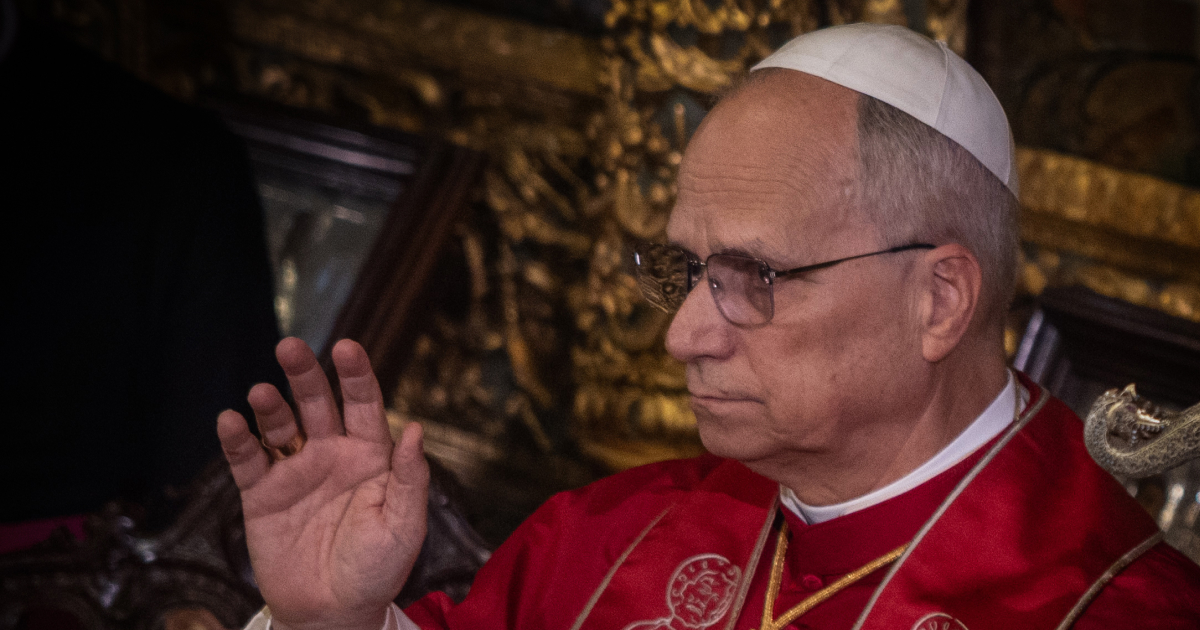
It was England’s own Cardinal Roche, however, who stole the show with his text defending restrictions on the traditional Mass and repeating Pope Francis’ most controversial lines from his critiques of the older rite. Emerging online on Tuesday afternoon, thanks to Nico Spuntoni’s reliable sourcing, the text revealed that Roche’s opposition to the traditional liturgy remains firmly in place.

The use of the traditional liturgy after the Second Vatican Council, he argued, “in no way envisaged their promotion”. In the two-page text, Roche relied heavily on Pope Francis, whose opposition to the traditional liturgy is well known and widely criticised, as too was the legitimacy and even the basis of his motu proprio Traditionis Custodes. This week has seen Roche widely rebuffed over the note, with liturgical scholar Gregory DiPippo suggesting that the cardinal is “very, very worried” about the numbers of young Catholics seeking out the traditional Mass.

“This text is not an attempt to enter into a debate, but rather to ward off debate by insisting on a historical and theological narrative that would support the suppression of the Traditional Mass,” observed Oxford academic Dr Joseph Shaw.

From the opposite end of the liturgical debate, another proposal has been advanced, this time by Astana’s Bishop Athanasius Schneider. He revealed that he suggested to Leo in December that an Apostolic Constitution be prepared to fully liberalise permission for priests to celebrate either form of the Roman Rite. Schneider’s proposal is bold and perhaps unlikely to gain traction in Rome, but it could begin to rescue the Church from the liturgical civil war of recent years.

Roche’s leaked note was clearly intended to form the basis of consistory discussions on the liturgy, and its appearance in the public domain may well work against him when the cardinals reconvene in June. With an extra six months to prepare arguments on the topic, certain cardinals will surely arrive to the consistory in June with a bursting briefcase of documents.

Indeed in conjunction with this, one should not overlook the Benedict XVI public relations exercise which has been enacted in recent week by his close friends: Cardinal Gerhard Müller and former papal secretary Archbishop Georg Gänswein. As author of Summorum Pontificum, Benedict has received renewed praise, with Gänswein also publicly championing a beatification cause and revealing that he prays to the German pope.

The idea has divided commentators, not least because of the speed with which such a cause has been advanced following Benedict’s death. What has not progressed swiftly, however, is the cause of Archbishop Fulton Sheen. The Pillar reports that his postponed 2019 beatification is now expected to take place in September. The delay to Sheen’s cause was interpreted by some in the United States as linked to the often visceral anti-American sentiment associated with the Francis-era Vatican. If The Pillar’s sourcing proves correct, it would mark yet another sign of the shifting tone gradually emerging under the Leonine pontificate.

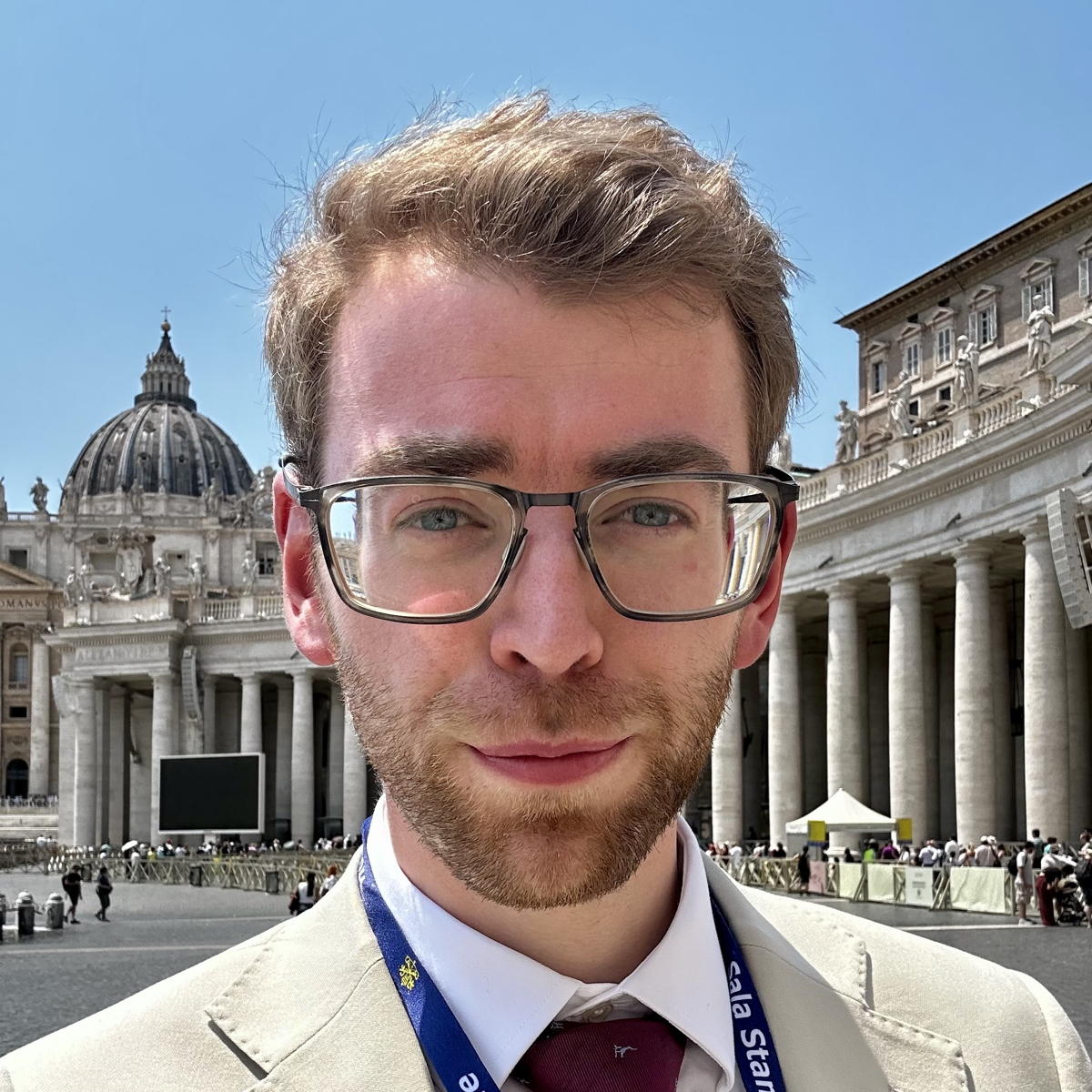
Michael Haynes is an English journalist in the Holy See Press Corps. He can be followed at Per Mariam and on X at @MLJHaynes.
Leo XIV’s warning to international bodies over their promotion of ideologies rather than genuine aid, and a papal condemnation of Western attacks on free speech, were eclipsed only by a revelatory liturgical leak that prompted fresh ridicule for Cardinal Roche in recent days.

Diplomats accredited to the Holy See must surely have been buzzing with interest as they awaited Leo XIV’s first State of the World address on 9 January. Would the American Pope adopt Trump-style rhetoric, or would he draw on his time in Peru and continue the South American style embodied by his predecessor?

In the end, it was Leo through and through. His background in canon law is often evident when he turns his hand to legislative matters, and the forthright speech he delivered, mostly in English, was no exception. Clipped footage amassed millions of views online in less than 24 hours after Leo roundly condemned the rise of what he described as “a new Orwellian-style language” that, “in an attempt to be increasingly inclusive, ends up excluding those who do not conform to the ideologies that are fuelling it”.

Pope Francis regularly critiqued the rise of “fake news” online, but Leo’s focus addressed the other side of the digital era into which the world is being rapidly drawn, and to which he seeks to offer a Catholic response, much as his namesake Leo XIII did in the face of the industrial revolution of his time.

In Leo’s understanding, this Orwellian assault on language, doubtless a thinly veiled reference to the chaos unleashed by the transgender movement, is linked to restrictions on religion and to the promotion of anti-life issues. Abortion, euthanasia, and surrogacy all flourish when truth is rebuked and silenced, and he defended people’s right to refuse involvement in “practices such as abortion or euthanasia”.

Abortion “cuts short a growing life and refuses to welcome the gift of life”, he noted, while also condemning efforts by international bodies to promote access to abortion and contraception. The United Nations received some praise for its prior work in having “mediated conflicts”, but the multinational body will not have welcomed Leo’s critique of policies promoting contraception. Nor will officials have relished his call for the U.N. to be “more focused and efficient in pursuing policies aimed at the unity of the human family instead of ideologies”.

This tone marked a break from Francis’ more laudatory style, especially given that the late pontiff actively entered into a number of partnerships with the U.N. and subsidiary bodies. Those arrangements may remain in place for now, but it seems unlikely that Leo will seek closer relations with the U.N. if doing so requires silence on these moral questions.

Days later came the main eruption of the week following the extraordinary consistory: the leaking of interventions prepared by key Curial officials for the closed-door meeting.

Cardinal Victor Manuel Fernández praised the work and legacy of Francis, as expected. Cardinal Mario Grech once more advanced his favoured theme of synodality. Even here, however, a subtle shift could be observed. Grech raised the possibility that Leo could also bring the synod to an end, noting that “it is always up to the Bishop of Rome to convene, accompany, conclude, and, if necessary, suspend the synodal process”. For a man who has most passionately promoted synodality as the sole path forward for the Church, such an admission suggests a change in tone emanating from the Apostolic Palace.

It was England’s own Cardinal Roche, however, who stole the show with his text defending restrictions on the traditional Mass and repeating Pope Francis’ most controversial lines from his critiques of the older rite. Emerging online on Tuesday afternoon, thanks to Nico Spuntoni’s reliable sourcing, the text revealed that Roche’s opposition to the traditional liturgy remains firmly in place.

The use of the traditional liturgy after the Second Vatican Council, he argued, “in no way envisaged their promotion”. In the two-page text, Roche relied heavily on Pope Francis, whose opposition to the traditional liturgy is well known and widely criticised, as too was the legitimacy and even the basis of his motu proprio Traditionis Custodes. This week has seen Roche widely rebuffed over the note, with liturgical scholar Gregory DiPippo suggesting that the cardinal is “very, very worried” about the numbers of young Catholics seeking out the traditional Mass.

“This text is not an attempt to enter into a debate, but rather to ward off debate by insisting on a historical and theological narrative that would support the suppression of the Traditional Mass,” observed Oxford academic Dr Joseph Shaw.

From the opposite end of the liturgical debate, another proposal has been advanced, this time by Astana’s Bishop Athanasius Schneider. He revealed that he suggested to Leo in December that an Apostolic Constitution be prepared to fully liberalise permission for priests to celebrate either form of the Roman Rite. Schneider’s proposal is bold and perhaps unlikely to gain traction in Rome, but it could begin to rescue the Church from the liturgical civil war of recent years.

Roche’s leaked note was clearly intended to form the basis of consistory discussions on the liturgy, and its appearance in the public domain may well work against him when the cardinals reconvene in June. With an extra six months to prepare arguments on the topic, certain cardinals will surely arrive to the consistory in June with a bursting briefcase of documents.

Indeed in conjunction with this, one should not overlook the Benedict XVI public relations exercise which has been enacted in recent week by his close friends: Cardinal Gerhard Müller and former papal secretary Archbishop Georg Gänswein. As author of Summorum Pontificum, Benedict has received renewed praise, with Gänswein also publicly championing a beatification cause and revealing that he prays to the German pope.

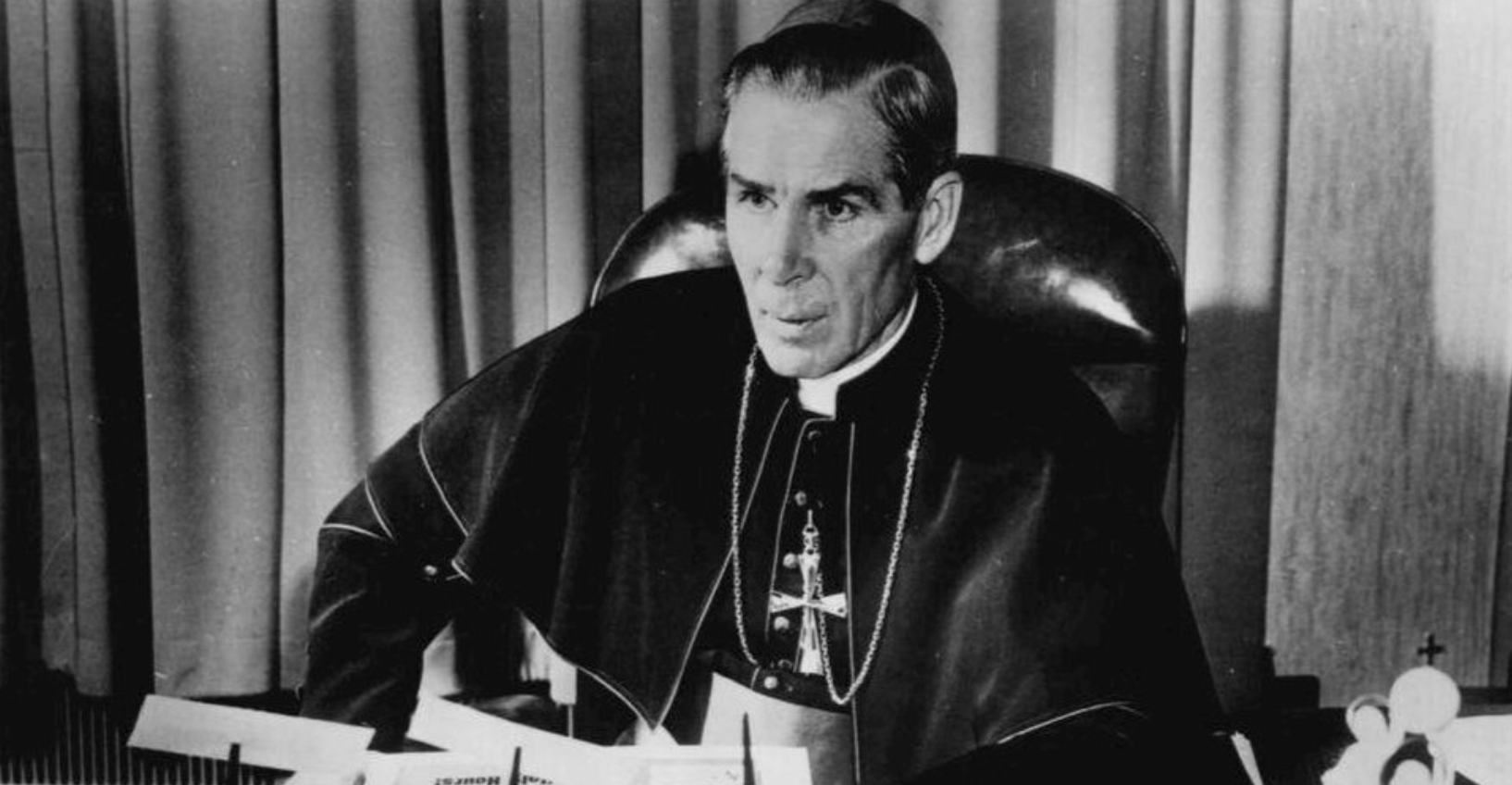
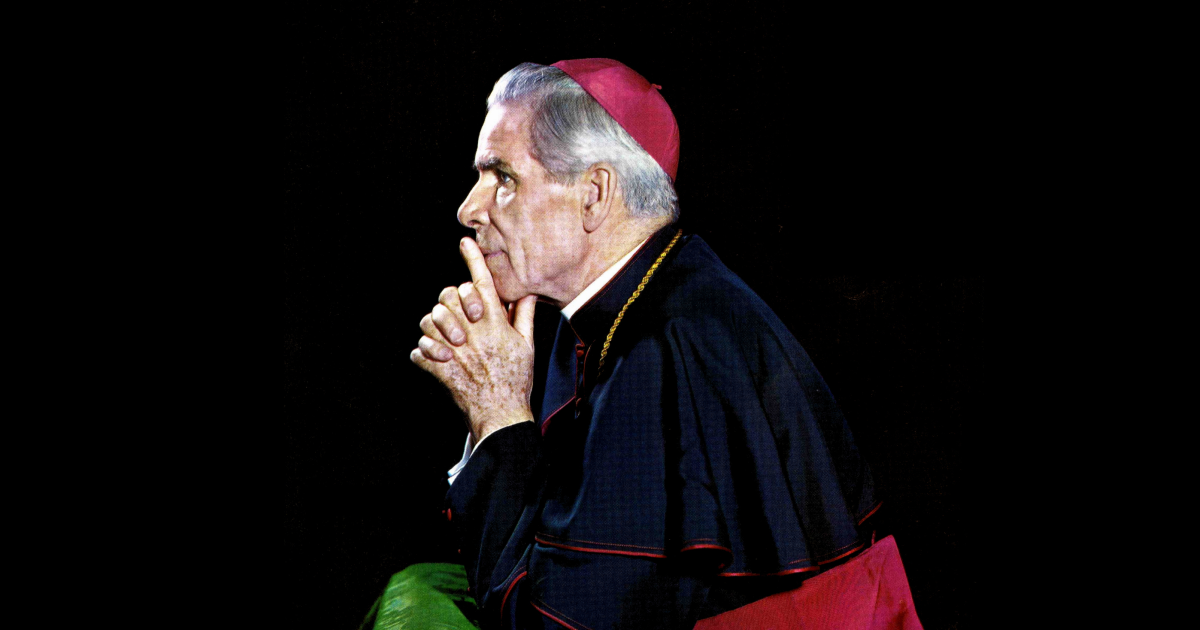
The idea has divided commentators, not least because of the speed with which such a cause has been advanced following Benedict’s death. What has not progressed swiftly, however, is the cause of Archbishop Fulton Sheen. The Pillar reports that his postponed 2019 beatification is now expected to take place in September. The delay to Sheen’s cause was interpreted by some in the United States as linked to the often visceral anti-American sentiment associated with the Francis-era Vatican. If The Pillar’s sourcing proves correct, it would mark yet another sign of the shifting tone gradually emerging under the Leonine pontificate.

Michael Haynes is an English journalist in the Holy See Press Corps. He can be followed at Per Mariam and on X at @MLJHaynes.
share

subscribe to the catholic herald today

Our best content is exclusively available to our subscribers. Subscribe today and gain instant access to expert analysis, in-depth articles, and thought-provoking insights—anytime, anywhere. Don’t miss out on the conversations that matter most.
Subscribe