



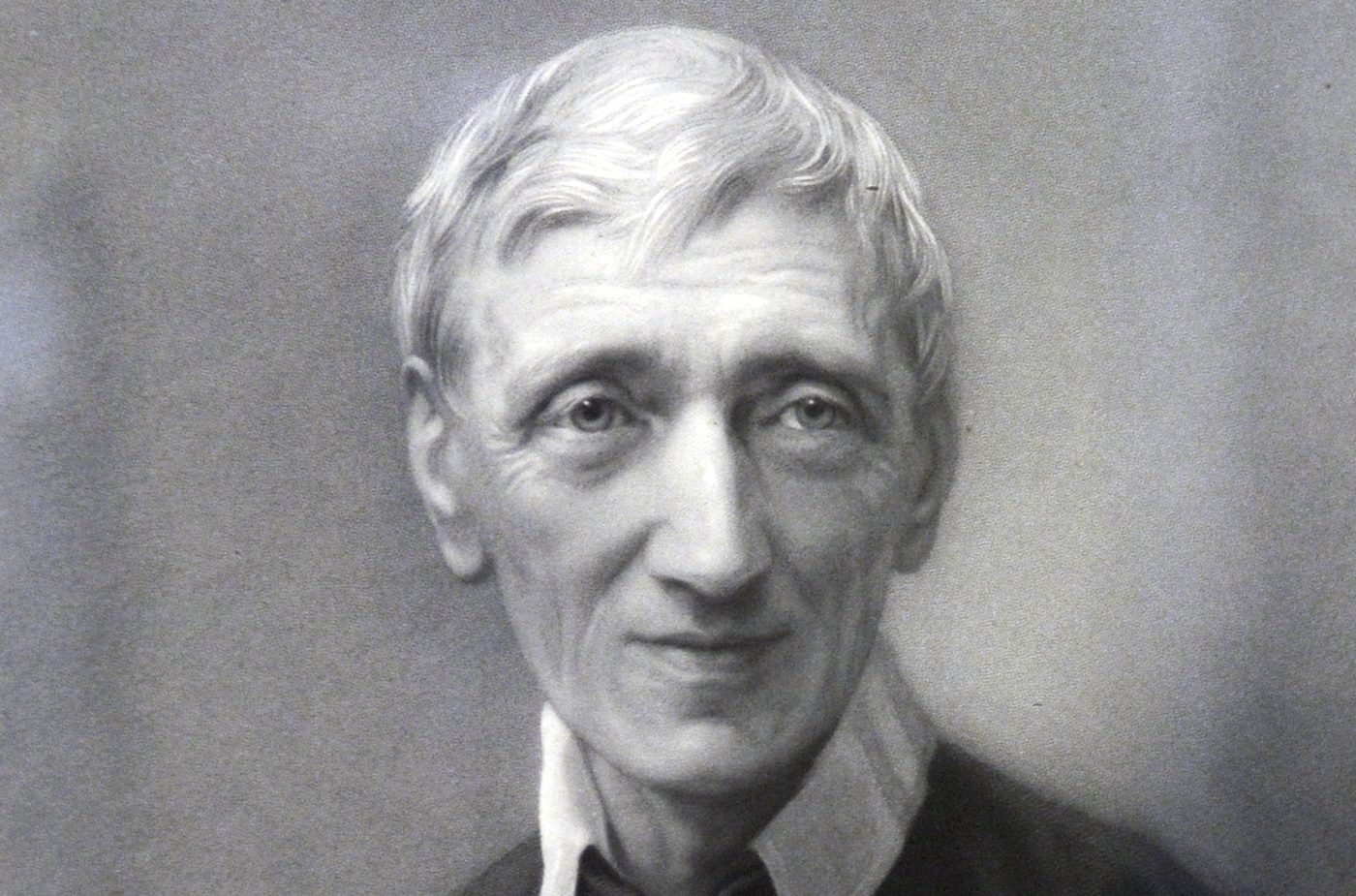
In his preface to his latest book on John Henry Newman, Newman and History (Gracewing, £20), American writer Edward Short says that he wanted to share Newman’s “brilliant historical insights” and his prophetic understanding of “the gathering calamity of unbelief”. I have been reading this collection of essays and reviews with great interest and am thus keen to get the author of them to expand on what he means. Given that the book’s first and longest essay is on the 18th-century historian Edward Gibbon, I ask Short to elucidate the phrase he uses of Gibbon: “A typical Enlightenment historian”. He tells me that Gibbon “equated religion, like Hume and Voltaire, with superstition. He derided theology as hermeneutical hair-splitting and refused to credit the supernatural convictions of Christianity as anything other than the preoccupations of credulity or fanaticism. Furthermore, he insisted that the only way the rise of Christianity could be rationally treated by proper historians was by looking at the externals of the religion, not its spurious faith.” Short points out: “This accounts for the fact that Gibbon, like so many rationalist historians after him, refuses to credit martyrdom as the animating impetus of Christianity’s rise. This naturally suited the Protestant Establishment in England because, with Gibbon as the country’s only ecclesiastical historian throughout the 18th century, his history had the benefit of confirming his countrymen in their contempt for what they chose to regard as the corruption of Popery.”
10:59 AM
Newman teaches us a whole new way to look at history
He understood how the atheist view impoverishes our understanding of the rise of Christianity
Francis Phillips

9 min read



Already a subscriber? Sign in
5freearticles every month
Continue reading with a free account. No card needed.
- Five free articles every thirty days, on any device you sign in on
- The Catholic Herald newsletter, every morning
- Subscribe whenever you like for everything: every article and the magazine
Related articles
 Newsroom
Church leaders urge Drumcree dialogue: ‘Too much is at stake’
The Catholic and Church of Ireland Archbishops of Armagh have urged a renewed commitment to peace and reconciliation amid the Drumcree stand-off
Corrie Douglas-Young Newsroom
Thousands of Irish children to join global Rosary campaign
Corrie Douglas-Young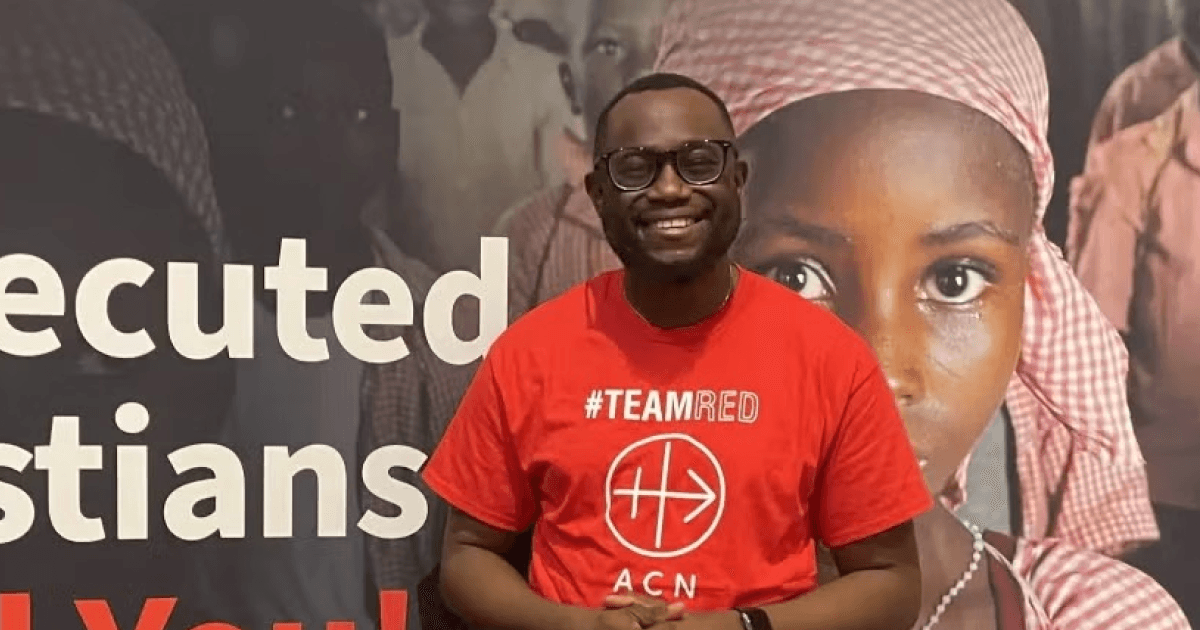 Newsroom
TikTok priest urges young people to stand with persecuted Christians
Nathalie Raffray Newsroom
Baby born at 25 weeks reunites with neonatologist two years after leaving hospital
The Catholic Herald Newsroom
Joe Biden honoured by Planned Parenthood after defending abortion rights
Christine Rousselle
subscribe to the catholic herald today
Our best content is exclusively available to our subscribers. Subscribe today and gain instant access to expert analysis, in-depth articles, and thought-provoking insights—anytime, anywhere. Don’t miss out on the conversations that matter most.
Subscribe



