



Do you know the name of the footballer who had an affair with a very pretty young woman described as a “Big Brother star” or “Welsh model”? Well, if you want to, all you have to do is fish around on Google and you will soon find out (it took me two minutes). And once you do, where will that get you? There seems to be a general consensus these days that we have a right to know these things (Sky News ran a poll, which found that 79% of the population are against the protection of privacy by “super injunctions”, only 21% are opposed): but on what is that opinion based, apart from natural prurience? Journalists themselves don’t necessarily support this supposed right: Dominic Lawson, for instance, has argued against it. He points out that most of those journalists, like the former editor of The Sun who go on most about absolute freedom of the Press come from those newspapers (i.e. the redtop tabloids) who make most money by publishing scandals about the sex lives of famous footballers and other celebrities. In other words, all the high-minded talk about Press freedom is so much rank hypocrisy: what The Sun is really interested in is selling newspapers. Well, I know the name of the footballer now, and also some of the reasons being given on a certain Spanish website —(in the comments from English correspondents—mostly admiring, “lucky b****r, says one of them—under the story, with its photo of the personable young woman involved)— for why he ought to have had his privacy respected. One argument is that if his name had been revealed before now, his football team would have had its performance affected: it is pointed out that when the affair of a footballer called John Terry became a press scandal, he was sacked as captain of Chelsea (is it?) and the team did less well as a result. But what do I know? But do we have a right to privacy? According to the Human Rights Act we do: and this is not judge-made law, incidentally, it’s a law passed by Parliament. We are told that we have to balance this article of the Act with another, which insists on the freedom of the Press: but what’s the argument for that, except in a qualified way? Kelvin Mackenzie, former editor of The Sun newspaper points in a starry-eyed way to the first article of the American Constitution, which means among other things that someone accused in America of a serious offence has no sub judice protection against press speculation about his guilt or innocence. Do we really want that? The fact is that whatever our legal right to privacy, we surely have a moral right to it. The Catechism of the Catholic Church, as it happens, has quite about to say about that: it teaches (§2489) that “The good and safety of others, respect for privacy, and the common good are sufficient reasons for being silent about what ought not be known …. No one is bound to reveal the truth to someone who does not have a right to know it” . This recalls Newman’s argument (in the Apologia pro Vita Sua) that “an untruth is not a lie where there is a just cause… veracity is a kind of justice, and therefore, when we have no duty of justice to tell truth to another, it is no sin not to do so. Hence we may say the thing that is not, to children, to madmen, to men who ask impertinent questions [my italics]”. The CCC argues also that
1:30 PM
Nobody has any right to know about the sex lives of footballers and incompetent bankers
But such is the obsession with these things that only 1 in 5 agree
William Oddie


7 min read



Already a subscriber? Sign in
5freearticles every month
Continue reading with a free account. No card needed.
- Five free articles every thirty days, on any device you sign in on
- The Catholic Herald newsletter, every morning
- Subscribe whenever you like for everything: every article and the magazine
Related articles
 Newsroom
Church leaders urge Drumcree dialogue: ‘Too much is at stake’
The Catholic and Church of Ireland Archbishops of Armagh have urged a renewed commitment to peace and reconciliation amid the Drumcree stand-off
Corrie Douglas-Young Newsroom
Thousands of Irish children to join global Rosary campaign
Corrie Douglas-Young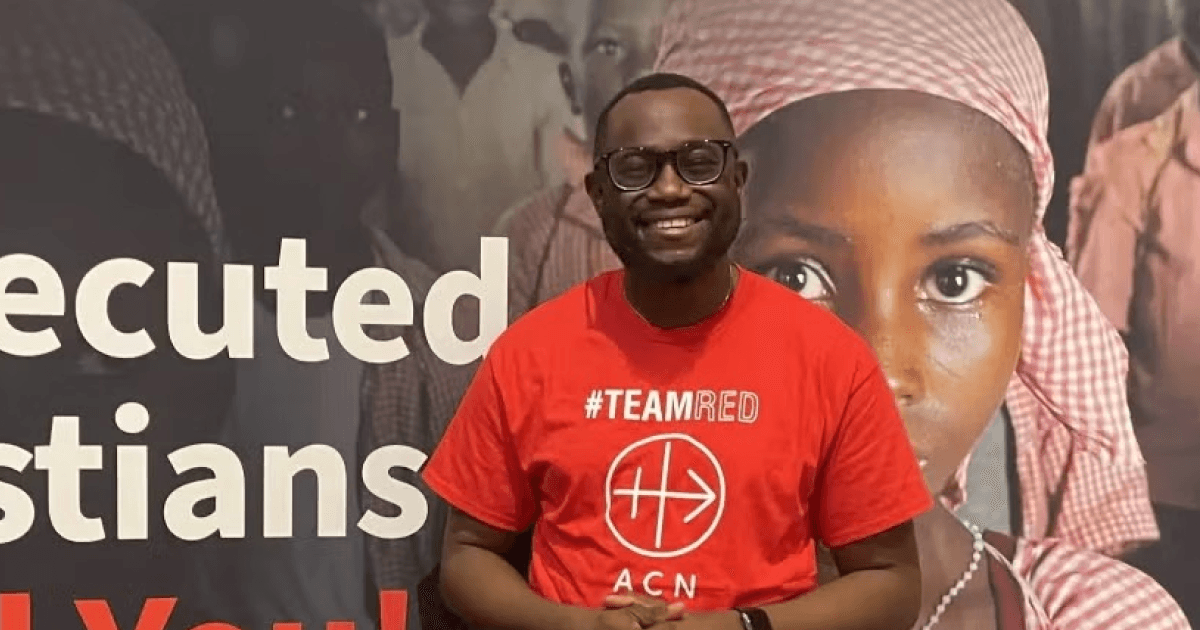 Newsroom
TikTok priest urges young people to stand with persecuted Christians
Nathalie Raffray Newsroom
Baby born at 25 weeks reunites with neonatologist two years after leaving hospital
The Catholic Herald Newsroom
Joe Biden honoured by Planned Parenthood after defending abortion rights
Christine Rousselle
subscribe to the catholic herald today
Our best content is exclusively available to our subscribers. Subscribe today and gain instant access to expert analysis, in-depth articles, and thought-provoking insights—anytime, anywhere. Don’t miss out on the conversations that matter most.
Subscribe



