
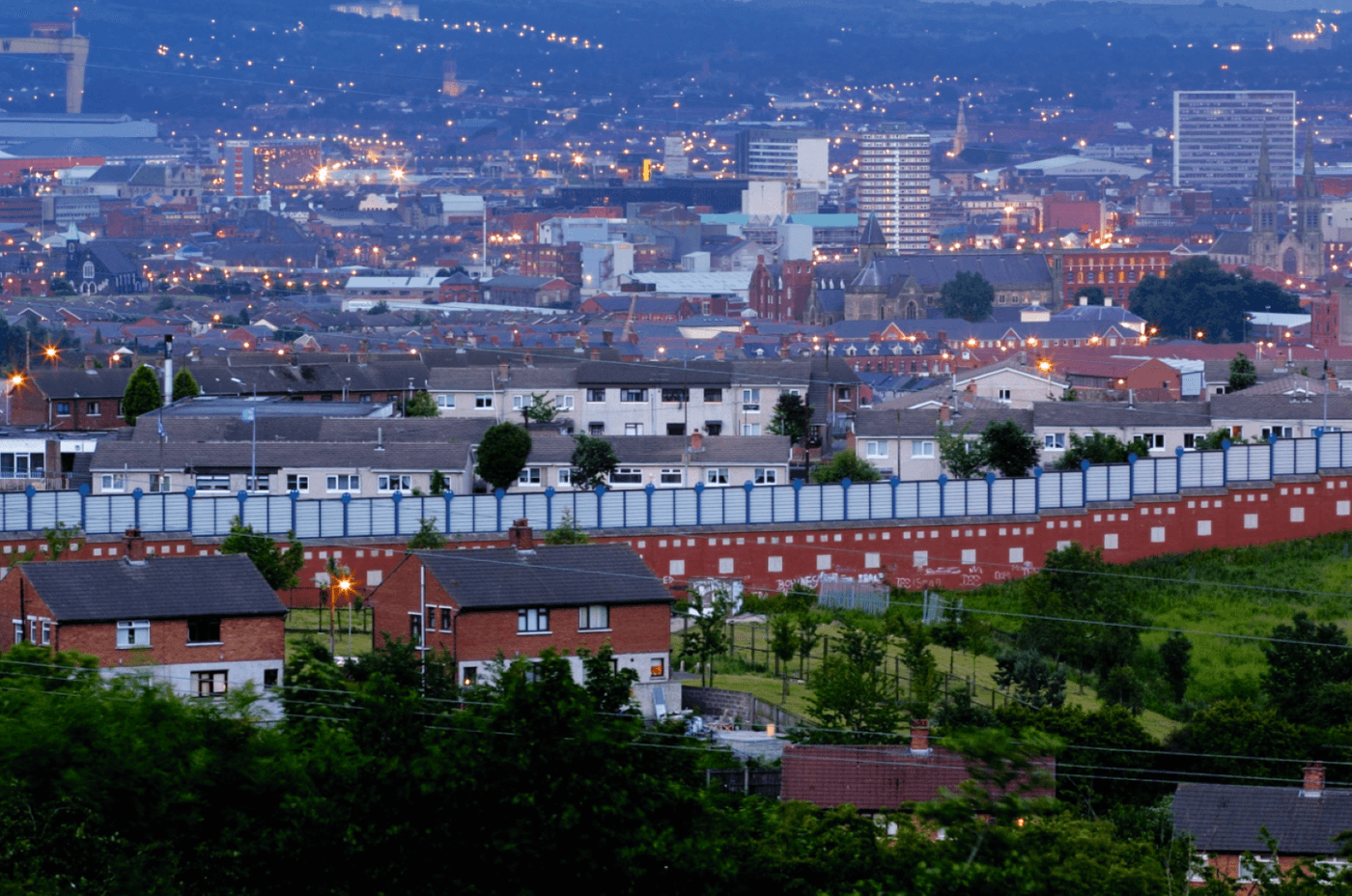
A depressing phenomenon has occurred in the years since Britain voted to leave the European Union back in June 2016. The national argument has not grown less bitter, as many had hoped immediately after the vote. Instead, we are witnessing the calcification of rage. People who, before the vote, were liable to own that they could see both sides to the argument, but were propelled for given reasons towards Leave or Remain, are now vociferous in their opinions. As political chaos unfurls – exacerbated by the original failure of the referendum to ask the public which form of Brexit it preferred, if any – the Leavers are vigilant against impending betrayals from a duplicitous establishment, while the Remainers waste no opportunity to excoriate those whom they regard as stupid, old, bigoted, racist Leave voters. The conversation – particularly among the political and media classes – is increasingly excitable, to the point that one might almost suspect its participants of relishing the thrill of denunciation. I’ve a word of warning about rhetorical excitability – if anyone in England is predisposed to take advice from my birthplace of Northern Ireland, a place which has now been without a functioning government for nearly two years, and where “peace walls” remain in situ. Even in the white heat of the Troubles, it was necessary for fair-minded people to acknowledge that both unionism and Irish nationalism often contained respectable political aspirations that were sincerely held. Both creeds were historically linked to religious and cultural identity, of course, but also – in the 20th century, at least – to serious arguments about where the line should be drawn in the separation of church and state. Where the exponents of unionism or nationalism became culpable – sometimes appallingly so – lay not in the belief itself, but the means by which it was pursued. The Brexit argument is not wholly dissimilar. It has set at odds those who feel more strongly European and those who feel more strongly British (and demanded a separation of those two identities). The former group genuinely values freedom of movement and a shared European identity; the latter truly yearns for greater democratic accountability and social coherence within their own country. Many Remainers, rightly, fear national isolation and economic chaos – but the years preceding the vote also saw a sharp rise in housing costs, homelessness and poverty even among households in work, which heightened the desire among numerous Leave voters to tie our government more permanently to a sense of national responsibility. We should, by all means, attack poor policies, falsehoods and bigotry where they occur, and seek to support those most adversely affected by change. But it is a great mistake to denigrate en masse the integrity of those on the opposite side of the argument. If the assumption of bad faith in others becomes a national habit then I fear that, whatever political shape Britain takes in the future, the emotional poison will stay in our body politic for decades to come.
2:30 PM
Northern Ireland's lesson for Brexit Britain
a depressing phenomenon has occurred in the years since britain voted to leave the european union back in june 2016. the national argument h...
Jenny McCartney

5 min read



Already a subscriber? Sign in
5freearticles every month
Continue reading with a free account. No card needed.
- Five free articles every thirty days, on any device you sign in on
- The Catholic Herald newsletter, every morning
- Subscribe whenever you like for everything: every article and the magazine
Related articles
 Newsroom
Detroit archdiocese to reassign nearly all parish priests in 2027 restructuring
Archbishop Edward Weisenburger said nearly all parish priests will receive new assignments next summer as the archdiocese reorganises its pastorates
Christine Rousselle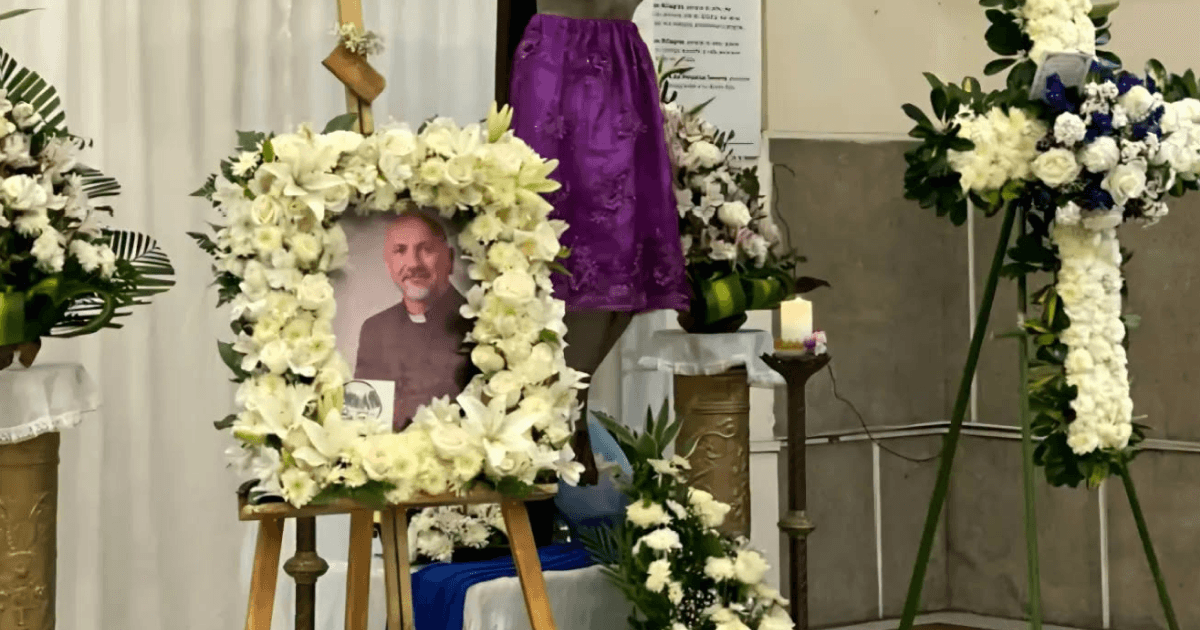 Newsroom
Ecuadorian priest killed after crucifix falls on him during Mass
Christine Rousselle Newsroom
Jerusalem Church leaders condemn settler attack on Christian village of Taybeh
The Catholic Herald Newsroom
Vatican cardinal joins Christian and Jewish leaders in London prayer gathering for peace
The Catholic Herald Newsroom
A Catholic voter’s guide to the 2026 midterm elections
Christine Rousselle
subscribe to the catholic herald today
Our best content is exclusively available to our subscribers. Subscribe today and gain instant access to expert analysis, in-depth articles, and thought-provoking insights—anytime, anywhere. Don’t miss out on the conversations that matter most.
Subscribe