



This year being what it is, for my short summer break I decided to leave my parish in Nottingham to spend a few days in the far-distant land of Kent. So I went to Canterbury to do the St Augustine of Canterbury trail. First stop: a visit to the (newish) Shrine of St Augustine in Ramsgate, where the saint first arrived on these shores. Fr Simon Heans kindly gave us a tour of the Shrine (and Pugin church). Then a visit to the Abbey of St Augustine in Canterbury, the site of his first monastery, where he, with his 40 brethren, began his mission to England. The monastery lasted for about a thousand years before Henry VIII swung into action. Finally Canterbury Cathedral, where a sign declares: “The spiritual head of the Anglican Communion is the Archbishop of Canterbury… He is the 105th in a line which goes back more than 1,400 years to Augustine of Canterbury who was sent from Rome in AD597.” Not sure what Augustine would have made of that. He wasn’t sent by the “Anglican Centre” in Rome, but by Pope Gregory, to bring the Catholic faith to the people of England. He wasn’t sent with the Book of Common Prayer, but with relics of the saints, altar stones, chalices and patens. For the first thousand years every Archbishop of Canterbury was appointed by the Pope … including (perhaps reluctantly) Cranmer. Then, surely, the line was broken. The Gospel reading for the 21st Sunday of Ordinary Time last month reminds us that the papacy isn’t some optional extra, but rather a foundational reality of the Church. “You are Peter [a rock] and on this rock I will build my Church.” The papacy isn’t an optional extra, but actually foundational to the Church. If you are not a member of the Church founded on the rock of Peter and in communion with Peter, then you are not fully a member of the Church Jesus founded (however much you may enjoy the aesthetics of Pentecostal or Eastern Orthodox “expressions”). This authority has remained intact through 20 centuries of popes, giving the Catholic Church an amazing record of unbroken unity. Jesus has given his Vicar on earth a genuine authority. Christ guides us through his Church, and the visible head of that Church is the pope. Does this mean the pope can never be wrong? Or never make mistakes? Of course not. Peter himself denied even knowing Jesus three times. Can you imagine a pope standing on the balcony of St Peter’s and denying any knowledge of Christ? That would be unthinkable. Yet that is what Peter did. Peter was also reprimanded by Paul, when he was (in the words of Paul) “obviously wrong”. But notice Paul didn’t break that unity with Peter. He challenged him, but didn’t leave him. There have been many saintly popes but also some bad popes, and lots of mediocre popes. The same can be said of any other role filled by fallible human beings, yet we have the unbreakable promise of Christ that “on this rock (on Peter) I will build my Church and the gates of hell will not prevail against it.” Jesus is the ultimate head of the Church, and it is his promise that we stand firm on, and he gave us Peter. As another St Augustine (of Hippo) said, Ubi Petrus, ibi ecclesia. Wherever Peter (the papacy) is, there the Church is. To break communion with Rome is to cease to be Catholic.
6:28 PM
Of course popes make mistakes. But the papacy isn’t an optional extra
Fr David Palmer


3 min read



Already a subscriber? Sign in
5freearticles every month
Continue reading with a free account. No card needed.
- Five free articles every thirty days, on any device you sign in on
- The Catholic Herald newsletter, every morning
- Subscribe whenever you like for everything: every article and the magazine
Related articles
 Newsroom
Church leaders urge Drumcree dialogue: ‘Too much is at stake’
The Catholic and Church of Ireland Archbishops of Armagh have urged a renewed commitment to peace and reconciliation amid the Drumcree stand-off
Corrie Douglas-Young Newsroom
Thousands of Irish children to join global Rosary campaign
Corrie Douglas-Young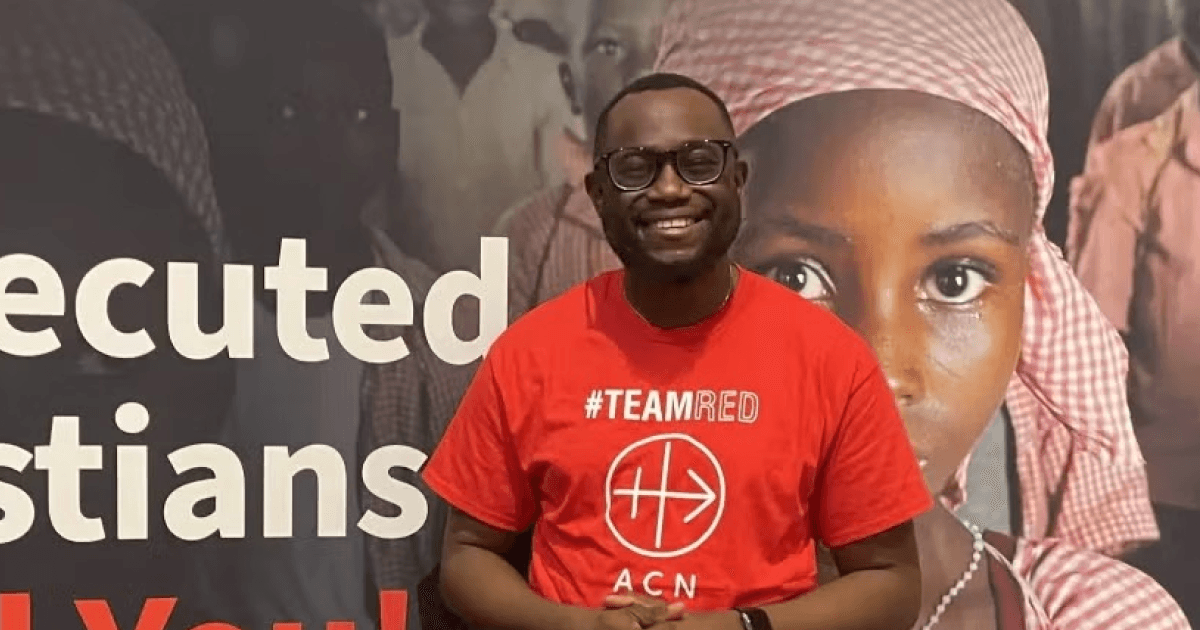 Newsroom
TikTok priest urges young people to stand with persecuted Christians
Nathalie Raffray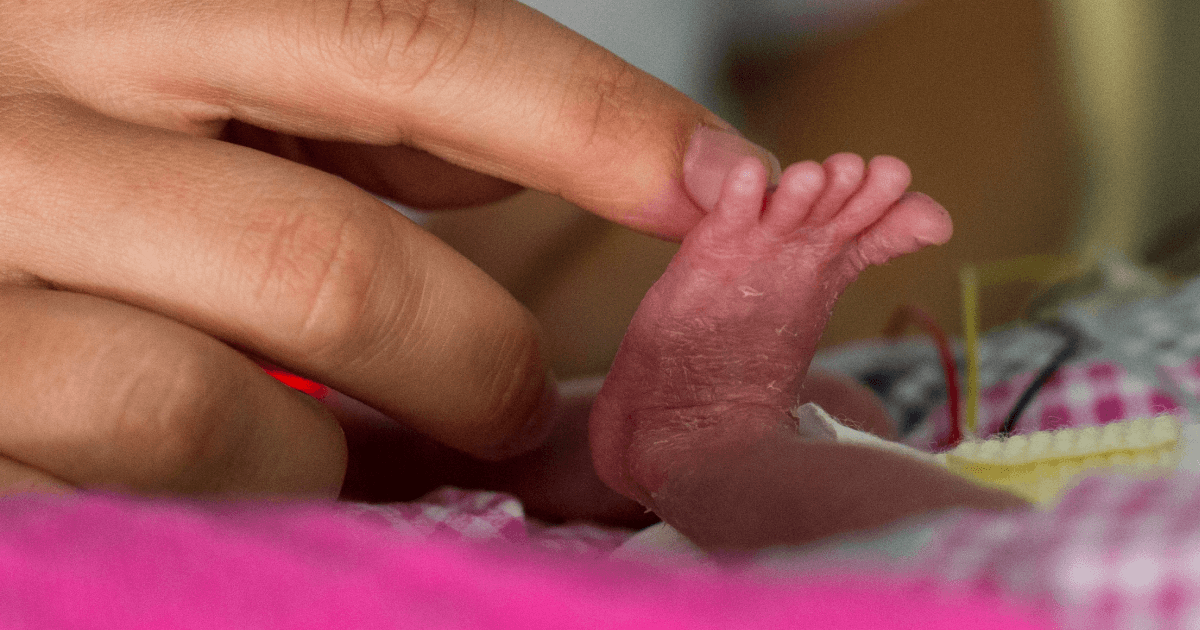 Newsroom
Baby born at 25 weeks reunites with neonatologist two years after leaving hospital
The Catholic Herald Newsroom
Joe Biden honoured by Planned Parenthood after defending abortion rights
Christine Rousselle
subscribe to the catholic herald today
Our best content is exclusively available to our subscribers. Subscribe today and gain instant access to expert analysis, in-depth articles, and thought-provoking insights—anytime, anywhere. Don’t miss out on the conversations that matter most.
Subscribe



