




It may be that not a few of us would like to give the Pope a piece of our mind. This is precisely what a young woman did in the 14th century. And, by all accounts, it worked. This week brings us the feast of St Catherine of Siena (1347-80), daughter of a wool-dyer, Dominican tertiary, mystic and generally influential busybody, eventual Patroness of Europe and Doctor of the Church. In a good museum, walk through a gallery of late medieval and early Renaissance paintings and you will invariably find at least one depiction of the “mystical marriage” of Catherine with Christ. Both she and the earlier martyr St Catherine of Alexandria are subjects of this recurring theme in which the saints are shown receiving a golden ring from the Lord, a symbol of the close union with His will. Sienese Catherine was also a recipient of the stigmata, the marks of Christ’s Passion, in her flesh, though at her request they were invisible to all but herself. Catherine travelled incessantly and corresponded, by dictation to secretaries, with the most influential figures of her age. Her counsel was avidly sought in just about every matter that concerns affairs of state. We know quite a lot about this titanic personage through her writings and the accounts of her confessor and friend St Raymond of Capua, who eventually became master-general of the Dominicans. Speaking of telling the pope what do to, Catherine was instrumental in some degree for the return of the popes to Rome from their jaunt of some decades in Avignon, in southern France. Another woman, St Bridget of Sweden, had over the course of decades urged their return to Rome. When Bridget died in 1373, Catherine took up the slack. She went to Avignon and for several months gently – or maybe not so gently – badgered Gregory XI into heading back south where popes belong. She even knew of his private vow to return to Rome. When he began to waffle, she wrote to him: “I beg you, on behalf of Christ crucified, that you not be timorous but manly … Up, father, like a man!” She was 33 years old when she died, the years of her Saviour. Catherine’s close union and total dependence on her Lord gave her voice and message great power. God accomplishes great works through the small, who are anything but when closely united with His will. Visit fatherzonline.com
11:25 AM
Omnium Gatherum
Fr John Zuhlsdorf

3 min read



Already a subscriber? Sign in
5freearticles every month
Continue reading with a free account. No card needed.
- Five free articles every thirty days, on any device you sign in on
- The Catholic Herald newsletter, every morning
- Subscribe whenever you like for everything: every article and the magazine
Related articles
 Newsroom
Church leaders urge Drumcree dialogue: ‘Too much is at stake’
The Catholic and Church of Ireland Archbishops of Armagh have urged a renewed commitment to peace and reconciliation amid the Drumcree stand-off
Corrie Douglas-Young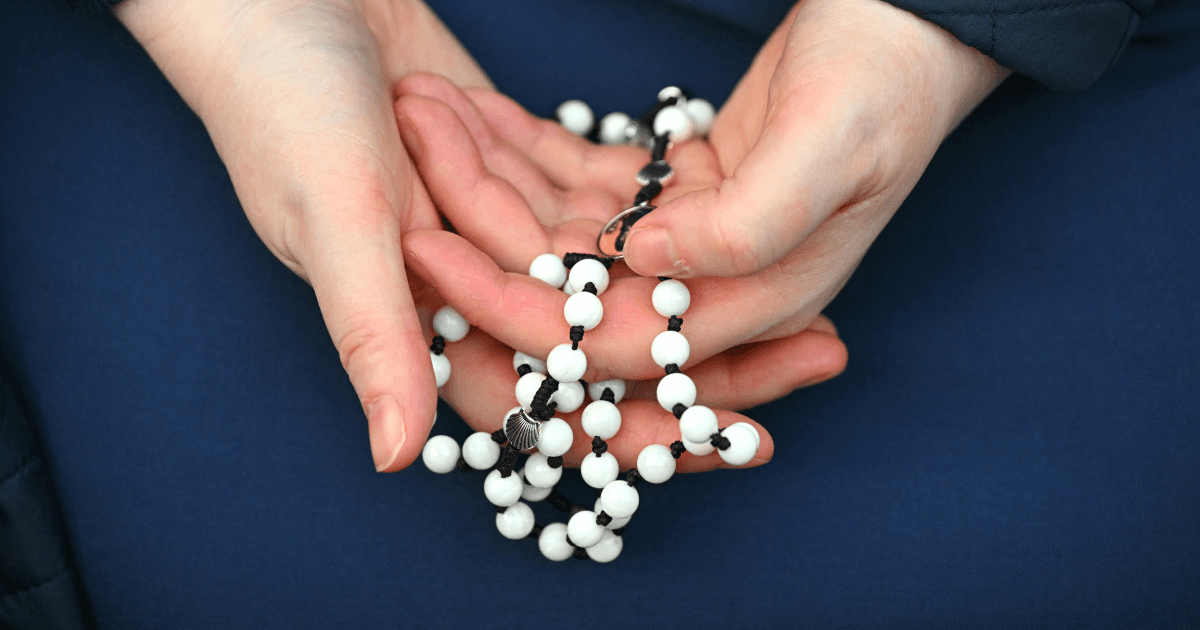 Newsroom
Thousands of Irish children to join global Rosary campaign
Corrie Douglas-Young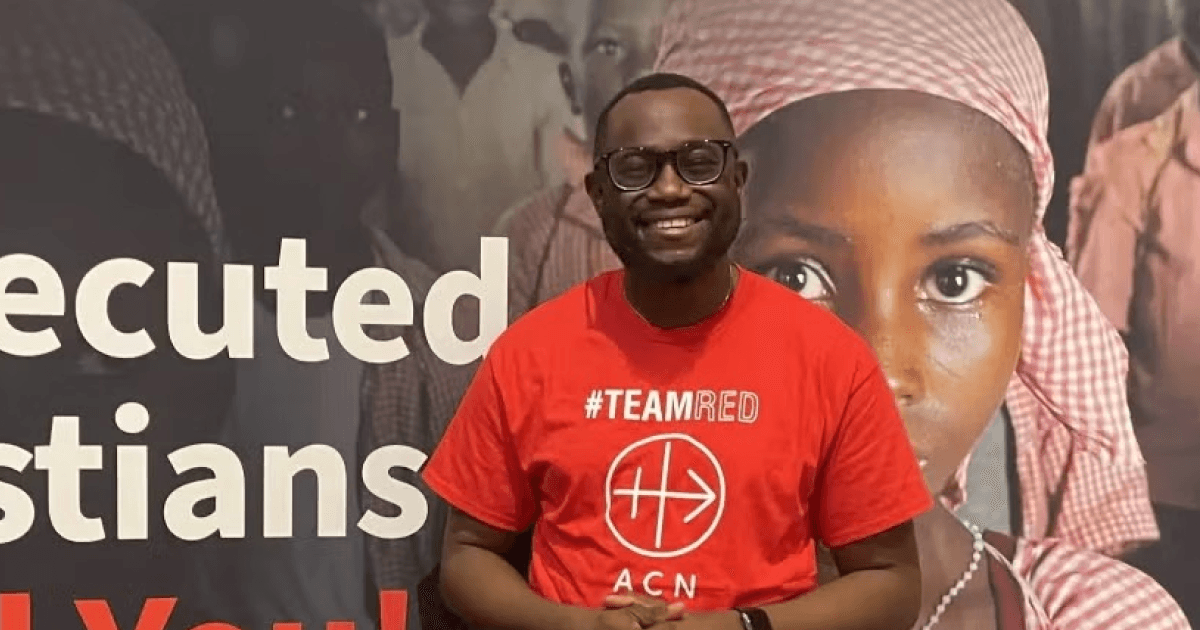 Newsroom
TikTok priest urges young people to stand with persecuted Christians
Nathalie Raffray Newsroom
Baby born at 25 weeks reunites with neonatologist two years after leaving hospital
The Catholic Herald Newsroom
Joe Biden honoured by Planned Parenthood after defending abortion rights
Christine Rousselle
subscribe to the catholic herald today
Our best content is exclusively available to our subscribers. Subscribe today and gain instant access to expert analysis, in-depth articles, and thought-provoking insights—anytime, anywhere. Don’t miss out on the conversations that matter most.
Subscribe



