February 12, 2026

Omnium Gatherum

Fr John Zuhlsdorf
More
Related
Min read
share

With the Fifth Sunday of Lent, we of the Roman Church enter into Passiontide. Since time immemorial it has been called 1st Passion Sunday. During the last two weeks of Lent, Holy Church’s liturgical dying speeds up. Motus in fine velocior.

In the traditional calendar, we began liturgically to slow down and die on Septuagesima Sunday of Fore-Lent, when the Alleluia drops away from Holy Mass and violet is used thenceforth on Sundays. During Lent we lose the Gloria. With Passiontide, more liturgical items drop away, just as certain faculties and aspects of our lives depart as we approach our own earthly end. For example, in traditional form of Mass the Iudica psalm is left out during the Prayers at the Foot of the Altar, and the Gloria Patri is omitted after the Asperges, Introit and Lavabo. This is the Sunday when the Church begins to deprive our senses: all statues and images are covered with violet veils.
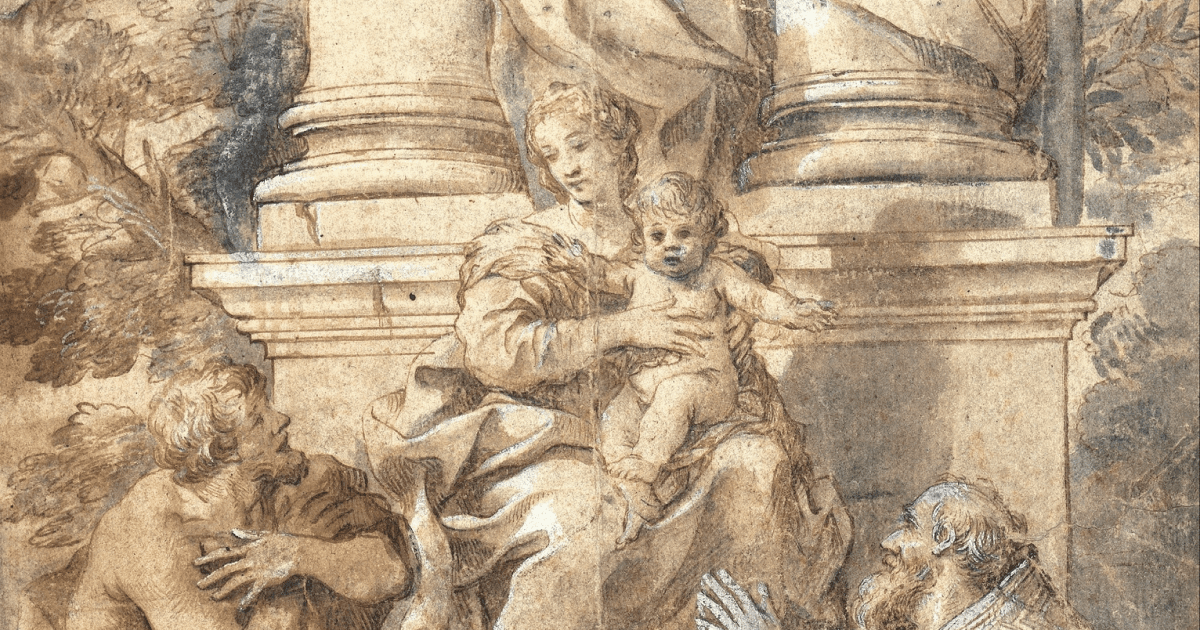
In the Gospel for 1st Passion Sunday we hear: Iesus autem abscondebat se, “but Jesus hid Himself”. On Holy Thursday, the Eucharist is removed, the altar stripped and Holy Water stoops are emptied. Harsh wooden noisemakers, or crotali, replace our silenced bells. On Good Friday there is no Mass, though we can receive Communion.

On Saturday there isn’t even Communion. Since the Vigil Mass of Easter is not supposed to start until night begins, there isn’t any light. The Church is dark, liturgically dead in the tomb with the Lord awaiting the spark of fire, new light and liturgical life.

Speaking of the removal of Holy Water, in some places misguided priests confiscate this useful sacramental on Ash Wednesday. I suppose they want to help you have a “desert experience”. Fail. If there is ever a time when we need the aid of such an effective sacramental, it is precisely during our spiritual discipline of Lent. Moreover, the Holy See’s Congregation for Divine Worship clarified in 2003 (Prot. No. 569/00/L) that the removal of Holy Water for all of Lent is not permitted.

They refer to the wrong-headed practice as a praeter legem innovation, which is “contrary to a balanced understanding of the season of Lent”. Moreover, “The ‘fast’ and ‘abstinence’ which the faithful embrace in this season does not extend to abstaining from the sacraments or sacramentals of the Church.”

Use sacramentals, such as Holy Water, with conscious gratitude and understanding.

Visit fatherzonline.com

With the Fifth Sunday of Lent, we of the Roman Church enter into Passiontide. Since time immemorial it has been called 1st Passion Sunday. During the last two weeks of Lent, Holy Church’s liturgical dying speeds up. Motus in fine velocior.

In the traditional calendar, we began liturgically to slow down and die on Septuagesima Sunday of Fore-Lent, when the Alleluia drops away from Holy Mass and violet is used thenceforth on Sundays. During Lent we lose the Gloria. With Passiontide, more liturgical items drop away, just as certain faculties and aspects of our lives depart as we approach our own earthly end. For example, in traditional form of Mass the Iudica psalm is left out during the Prayers at the Foot of the Altar, and the Gloria Patri is omitted after the Asperges, Introit and Lavabo. This is the Sunday when the Church begins to deprive our senses: all statues and images are covered with violet veils.
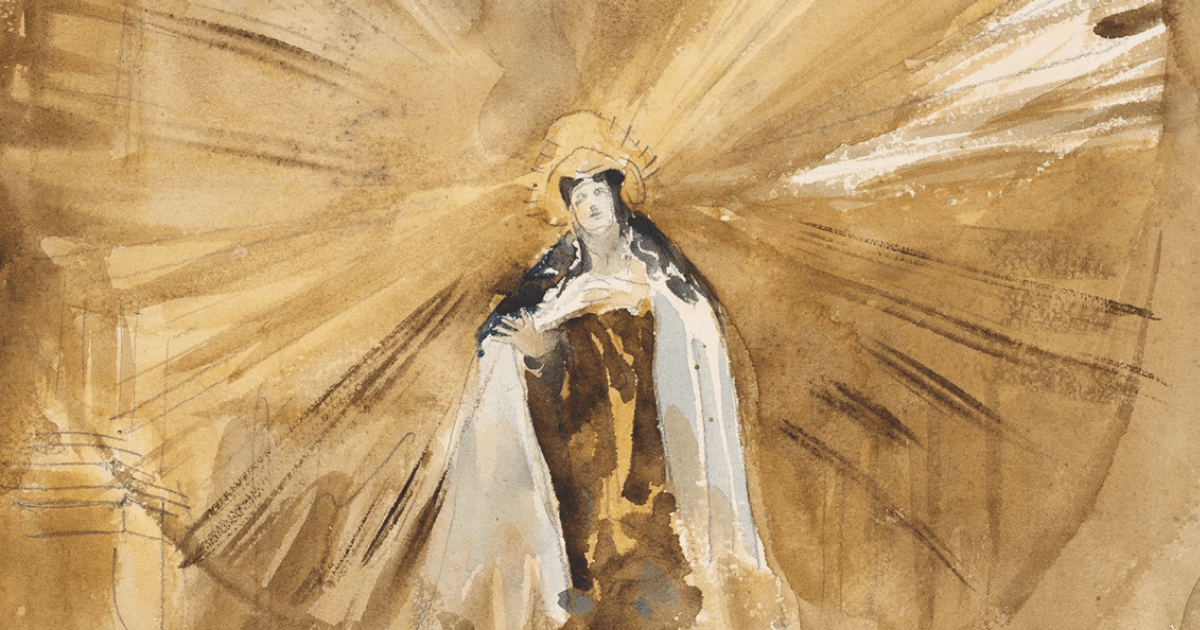
In the Gospel for 1st Passion Sunday we hear: Iesus autem abscondebat se, “but Jesus hid Himself”. On Holy Thursday, the Eucharist is removed, the altar stripped and Holy Water stoops are emptied. Harsh wooden noisemakers, or crotali, replace our silenced bells. On Good Friday there is no Mass, though we can receive Communion.

On Saturday there isn’t even Communion. Since the Vigil Mass of Easter is not supposed to start until night begins, there isn’t any light. The Church is dark, liturgically dead in the tomb with the Lord awaiting the spark of fire, new light and liturgical life.

Speaking of the removal of Holy Water, in some places misguided priests confiscate this useful sacramental on Ash Wednesday. I suppose they want to help you have a “desert experience”. Fail. If there is ever a time when we need the aid of such an effective sacramental, it is precisely during our spiritual discipline of Lent. Moreover, the Holy See’s Congregation for Divine Worship clarified in 2003 (Prot. No. 569/00/L) that the removal of Holy Water for all of Lent is not permitted.

They refer to the wrong-headed practice as a praeter legem innovation, which is “contrary to a balanced understanding of the season of Lent”. Moreover, “The ‘fast’ and ‘abstinence’ which the faithful embrace in this season does not extend to abstaining from the sacraments or sacramentals of the Church.”

Use sacramentals, such as Holy Water, with conscious gratitude and understanding.

Visit fatherzonline.com

subscribe to
the catholic herald

Continue reading your article with a subscription.
Read 5 articles with our free plan.
Subscribe

subscribe to the catholic herald today

Our best content is exclusively available to our subscribers. Subscribe today and gain instant access to expert analysis, in-depth articles, and thought-provoking insights—anytime, anywhere. Don’t miss out on the conversations that matter most.
Subscribe