


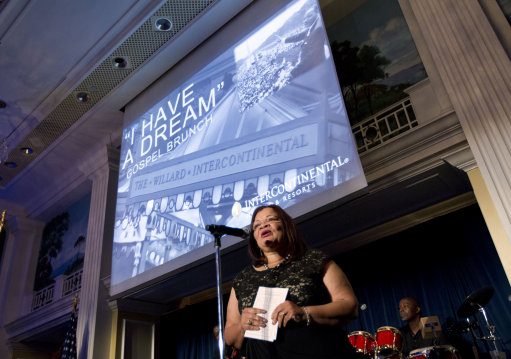
I was in primary school when Evangelium Vitae was promulgated twenty years ago today. As a pro-life manifesto, it informs, edifies and encourages. Quite an achievement because a lot of pro-life texts that reveal the nastiness of abortion should have a warning label that they’ll make the reader feel dispirited. Not all tonics come in bottles, and if you are feeling worn out from fighting the pro-life cause, there is no better pick-me-up than reading Evangelium Vitae. One reason that it is so uplifting is that Evangelium Vitae put forward great ideas that have been adopted by pro-lifers to tremendous success. One of the best was that St John Paul II recognised the importance of post-abortion women. Two decades ago, St John Paul II said to them, "as a result of your own painful experience, you can be among the most eloquent defenders of everyone's right to life." This has turned out to be prophetic. We have seen this in recent years with the growth of such noble organisations as Silent No More, Rachel’s Vineyard and the platforms afforded to post-abortion women by parishes and pro-life societies. The advent of the internet has allowed post-abortion women to blog, tweet and put up Facebook statuses that can change the minds of other women who may be thinking of abortion. It is a heroic sacrifice for post-abortion women to talk about their past, often at times they do not paint themselves in a good light. Some of the women have suffered more than others; those who took to substance abuse or those who were never able to conceive another baby. They are being selfless in that they do not want another woman to endure the pain of an abortion and so they speak out, honouring their consciences, even at great personal cost. Very articulate women have come forward, such as Martin Luther King’s niece, Alveda King and Steven Tyler’s ex-fiancée, Julia Holcomb, tells a harrowing story about how she came to abort Tyler’s baby that would melt the hardest of hearts. Some years ago, when I was doing pro-life work in New York, I worked alongside an African American lady who had undergone an abortion in her younger years. She was extraordinary in convincing young black women not to have abortions, sharing her own testimony with them and shattering the myths that they would be "empowered" by abortion. First-hand, I saw that she saved dozens of babies. Women who bitterly regret having had an abortion, and who honestly and with great humility admit their mistake, are a thorn in the side of the pro-abortion lobby. It is easier to attack an argument, a moral precept or a slogan than a subjective personal experience. Yet, they are often insulted as hypocrites, on the basis that they had an abortion, but speak out against it. It’s is the pro-abortion campaigners that are the hypocrites, they say they champion women’s rights, but they censor a post-abortion woman’s right to free speech. It is precisely because, as St John Paul II said, these women can be "eloquent defenders" of the right to life that they rattle the pro-abortion providers who took the right to life from their unborn children.
11:25 AM
On the 20th anniversary of Evangelium Vitae, let's remember the heroism of women who speak out on abortion
St John Paul II recognised the importance of post-abortion women
Mary O'Regan

3 min read



Already a subscriber? Sign in
5freearticles every month
Continue reading with a free account. No card needed.
- Five free articles every thirty days, on any device you sign in on
- The Catholic Herald newsletter, every morning
- Subscribe whenever you like for everything: every article and the magazine
Related articles
 Newsroom
Church leaders urge Drumcree dialogue: ‘Too much is at stake’
The Catholic and Church of Ireland Archbishops of Armagh have urged a renewed commitment to peace and reconciliation amid the Drumcree stand-off
Corrie Douglas-Young Newsroom
Thousands of Irish children to join global Rosary campaign
Corrie Douglas-Young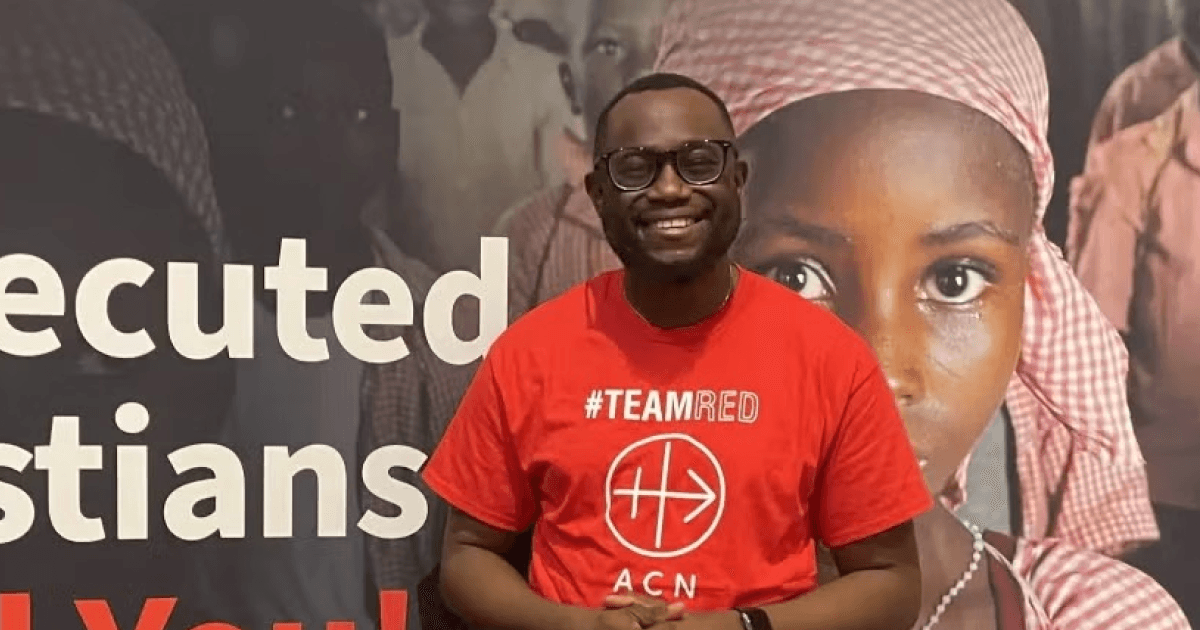 Newsroom
TikTok priest urges young people to stand with persecuted Christians
Nathalie Raffray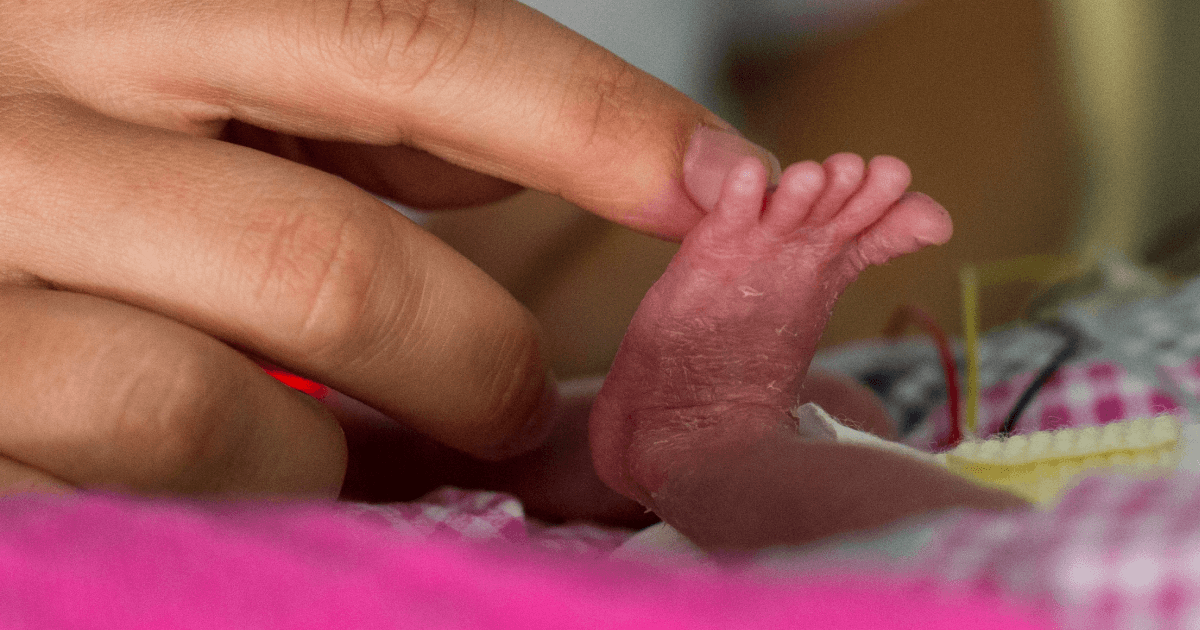 Newsroom
Baby born at 25 weeks reunites with neonatologist two years after leaving hospital
The Catholic Herald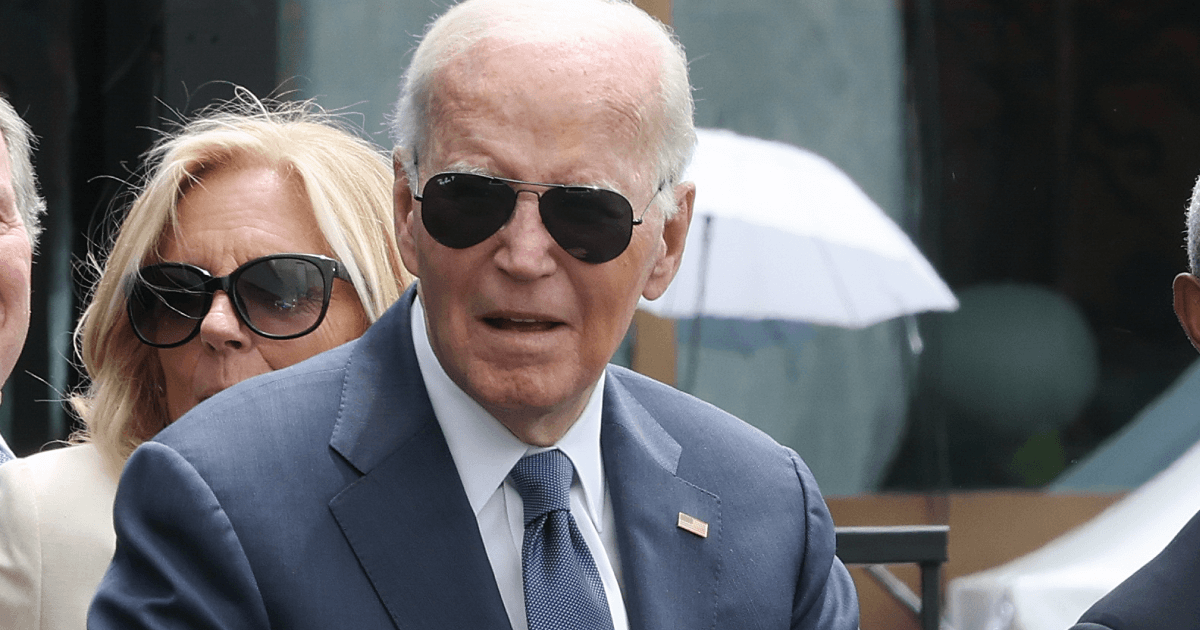 Newsroom
Joe Biden honoured by Planned Parenthood after defending abortion rights
Christine Rousselle
subscribe to the catholic herald today
Our best content is exclusively available to our subscribers. Subscribe today and gain instant access to expert analysis, in-depth articles, and thought-provoking insights—anytime, anywhere. Don’t miss out on the conversations that matter most.
Subscribe



