


Bishop Heinrich Bedford-Strohm, chairman of the Council of the Evangelical Church in Germany, has said that the 500th anniversary of the Reformation in 2017 should be profoundly ecumenical in character. “With this clear distinction from all other commemorations of past centuries, we are sending a signal of reconciliation and a new beginning,” he said. This is something that Catholics should welcome. In the past the subject of the Reformation has been a matter of fierce contention between Catholics and Lutherans and other members of the Protestant community. One side has pointed to what it perceived as the corruption of the pre-Reformation Catholic Church, and what it has seen as Rome’s lack of faithfulness to Holy Scripture. Catholics, in return, have pointed to the historical unsustainability of many Protestant claims, as well as the incoherence of many Protestant beliefs, given the different confessional communities that have sprung from the Reformation. With the coming of the 500th anniversary next year, which falls on October 31, the day on which Luther initiated the Reformation by presenting his 95 theses in Wittenberg, it is not to be expected that Catholics and Protestants will suddenly abandon past divisions and rediscover lost unity. Doctrine matters and so does history. But one can reasonably hope that both doctrine and history can now be approached in a manner that generates not heat, but light. Indeed, this is something that all should wish for: that Catholics and Protestants should both dig deeply into their shared past – in particular into the Fathers of the Church – and, while frankly acknowledging differences, also rediscover their common roots. In fact, Catholics and Protestants have been doing just this for a long time already, and much progress has been made. The doctrine of justification by faith is no longer the huge divider it once was, and it may be hard now to understand the circumstances in which it was. But other matters have arisen which have served further to divide Catholics and Protestants in the last 500 years of separation: in quite a few moral matters, Catholic and Protestants are further apart than ever, and the question of women bishops, priests and deacons has also revealed further division. These are matters that Luther could never have foreseen. Like members of a family who have grown estranged over the years, the only solution is to keep on talking. The Catholic Church rightly sees ecumenism as integral to her mission. The fifth centenary of the Reformation is to be welcomed not as a celebration of the Reformation as a breaking of the Church’s communion, but as a chance to deepen mutual understanding through dialogue and to build brotherly cooperation between Catholics and Protestants. Luther had some choice things to say about the popes of his own day: it is good to see that the Pope of our own time, Francis, will be visiting Sweden for the anniversary, and taking part in an ecumenical service there. Once upon a time, and not so very long ago, this would have been unthinkable. That it is now happening is something for which we should all be grateful. This 500th anniversary may well offer, in the words of Bishop Bedford-Strohm, a new beginning.
1:00 PM
One divided family
Staff writers

5 min read



Already a subscriber? Sign in
5freearticles every month
Continue reading with a free account. No card needed.
- Five free articles every thirty days, on any device you sign in on
- The Catholic Herald newsletter, every morning
- Subscribe whenever you like for everything: every article and the magazine
Related articles
 Newsroom
Church leaders urge Drumcree dialogue: ‘Too much is at stake’
The Catholic and Church of Ireland Archbishops of Armagh have urged a renewed commitment to peace and reconciliation amid the Drumcree stand-off
Corrie Douglas-Young Newsroom
Thousands of Irish children to join global Rosary campaign
Corrie Douglas-Young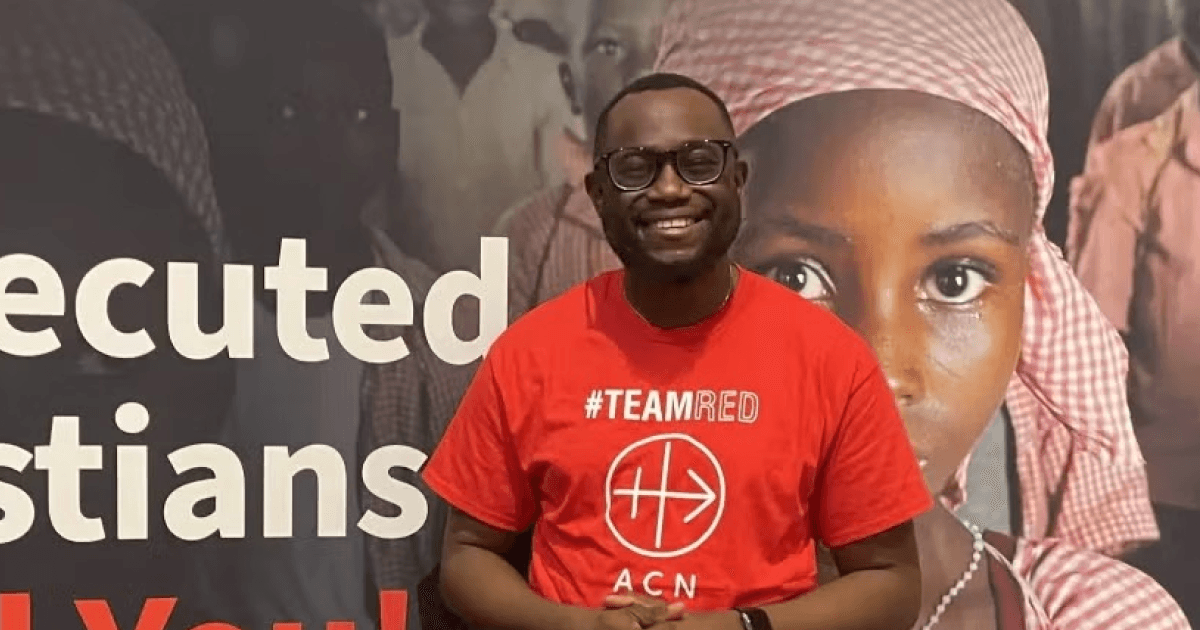 Newsroom
TikTok priest urges young people to stand with persecuted Christians
Nathalie Raffray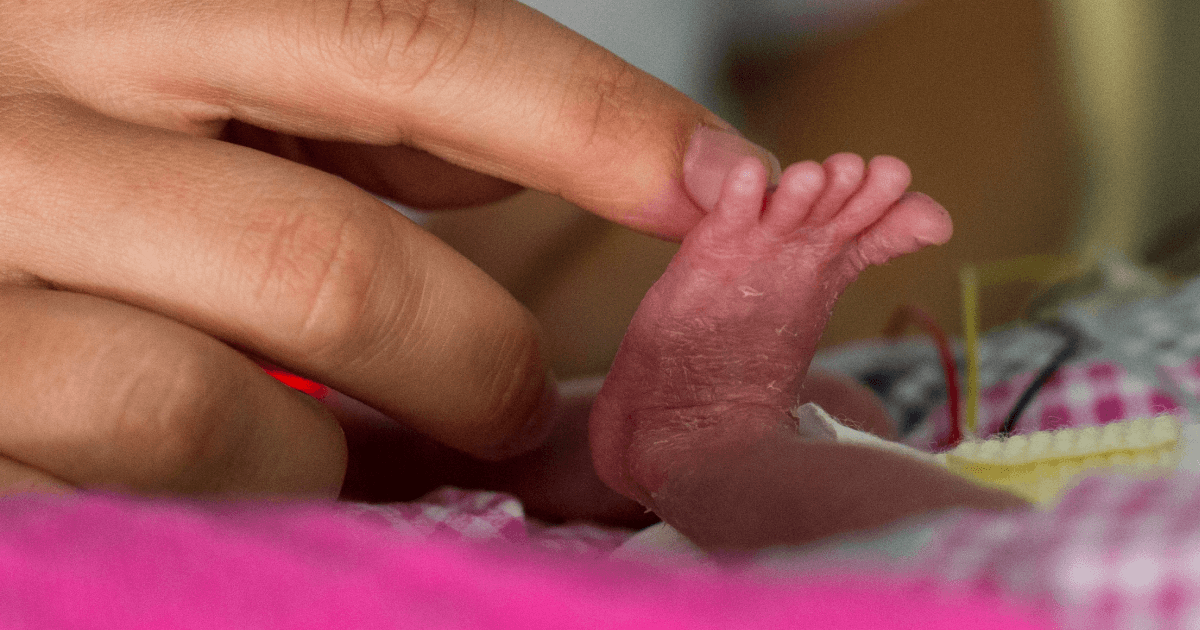 Newsroom
Baby born at 25 weeks reunites with neonatologist two years after leaving hospital
The Catholic Herald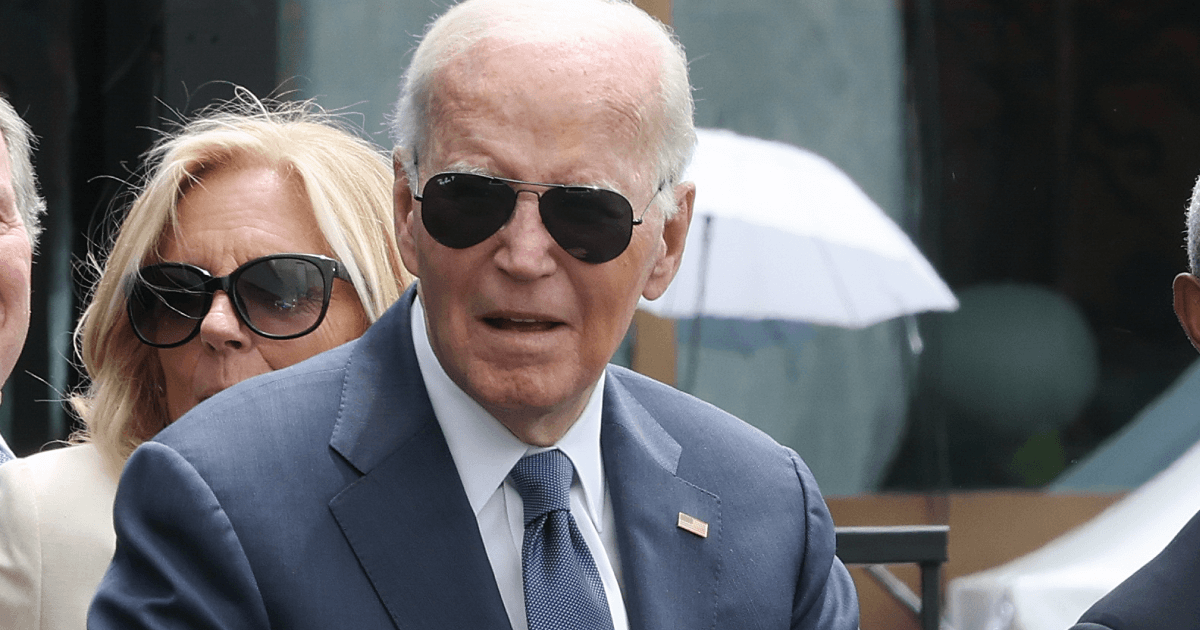 Newsroom
Joe Biden honoured by Planned Parenthood after defending abortion rights
Christine Rousselle
subscribe to the catholic herald today
Our best content is exclusively available to our subscribers. Subscribe today and gain instant access to expert analysis, in-depth articles, and thought-provoking insights—anytime, anywhere. Don’t miss out on the conversations that matter most.
Subscribe



