




I had lunch with a young evangelical the other day and we talked about the Bible. This led me to reflect that I do not often have conversations about the Bible, and that interest in the Holy Scriptures as such (as opposed to proof texting, which means picking out quotes that back up your opinion on some controversial subject) seems to be a rare thing these days. This is a great pity, I think, especially in the light of the Second Vatican Council which was supposed to inaugurate a new appreciation of the Scriptures among Catholics. That Catholics are not as interested in Scripture as they might be could be a reflection on how academics treat the Scriptures. I will never forget (and I fear never get over) the way the Scriptures were taught so badly in the Roman Pontifical University that I attended. The course on the synoptic gospels was good, and we had a lively and interesting teacher, who clearly loved her subject; but the courses on the Old Testament were dismal in the extreme. Before I studied theology, I had read English Literature at university, and in my humble opinion the approach to Scripture could learn a great deal from the study of Eng Lit. In other words, start with the story the Old Testament tells, and spare us the memorable (in all the wrong senses) opening lectures on who the Hittites were. Once upon a time there used to be a whole industry dedicated to what was called “the Bible as Literature”. A search on Google confirms that this industry is up and running still, but I can’t say that it has ever impinged much on my seminary studies. And yet the Bible is literature, isn’t it? We can legitimately ask what makes the Psalms good poems, and it is right too to look at the four gospels are the fruits of four different stylists at work. My favourite book of the Bible (this was one of the topics covered over lunch), as far as the New Testament goes, must be the Letter to the Hebrews, a tour de force of rhetoric. As for the Old Testament, I confess to loving Tobit and Ruth, again as perfect self-contained works of art which expound timeless truths. The same goes for Jonah, one of the best comic tales with a serious message ever produced. My interlocutor was very keen on Jeremiah, whom I admitted to not knowing well; and he also said he liked the Old Testament more than the New. There was once a time in England when people spent hours discussing the Scriptures; and it used to be said that the King James Bible was one of the great monuments of the English language. But this healthy interest in Scripture long predates the Reformation. In my first year at university I had the great privilege of studying Anglo-Saxon Literature with the late Bruce Mitchell and the late Reggie Alton both of whom opened my eyes to the fact that the first speakers of English produced a literature that was, in a sense, written in the shadow of the Bible. One of the greatest poems in our language is the Dream of the Rood, a meditation on the Cross and its meaning. And what about the epic poem Beowulf? According to Bruce Mitchell “Beowulf was the first boy scout”, and the poem was, though set in a pagan past, inspired by the deeds of heroism that pervade the Old Testament. Wikipedia’s entry has this to say, which I think is a fair summary:
2:39 PM
Our current ignorance of the Scriptures is a terrible loss to our culture
Knowledge of the Bible gave Anglo-Saxon poetry its resonance and depth
Fr Alexander Lucie-Smith

5 min read



Already a subscriber? Sign in
5freearticles every month
Continue reading with a free account. No card needed.
- Five free articles every thirty days, on any device you sign in on
- The Catholic Herald newsletter, every morning
- Subscribe whenever you like for everything: every article and the magazine
Related articles
 Newsroom
Church leaders urge Drumcree dialogue: ‘Too much is at stake’
The Catholic and Church of Ireland Archbishops of Armagh have urged a renewed commitment to peace and reconciliation amid the Drumcree stand-off
Corrie Douglas-Young Newsroom
Thousands of Irish children to join global Rosary campaign
Corrie Douglas-Young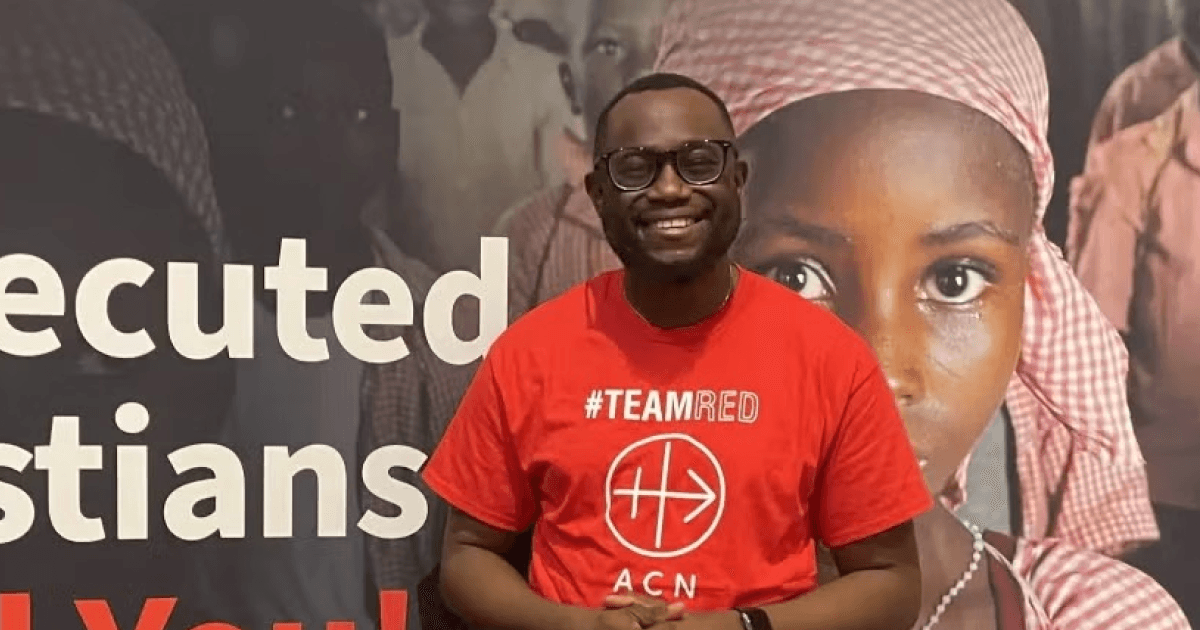 Newsroom
TikTok priest urges young people to stand with persecuted Christians
Nathalie Raffray Newsroom
Baby born at 25 weeks reunites with neonatologist two years after leaving hospital
The Catholic Herald Newsroom
Joe Biden honoured by Planned Parenthood after defending abortion rights
Christine Rousselle
subscribe to the catholic herald today
Our best content is exclusively available to our subscribers. Subscribe today and gain instant access to expert analysis, in-depth articles, and thought-provoking insights—anytime, anywhere. Don’t miss out on the conversations that matter most.
Subscribe



