


Throughout the scriptures the images of vine and vineyard portray the relationship between God and his people. Today’s responsorial psalm describes the tribes of Israel as a vine rescued from the slavery of Egypt, planted by the Lord himself in the Promised Land. The images draw their strength from the care and unceasing labour that are the precondition for any fruitful vineyard. If we are indeed the Lord’s vineyard, then our lives, like that of the choice vine, have been called into being and nurtured by the grace of a loving God. This was the starting point for Isaiah’s song of the vineyard. Significantly, the prophet expressed himself in the language of a love song, such was his understanding of God’s love for his people, God’s love for each one of us. “Let me sing to my friend the song of his love for his vineyard.” As the song unfolds the back-breaking labour that accompanies the establishment of a vineyard is described. The soil was dug and cleared of stones. The vine was planted, its security and productivity assured by the provision of tower and winepress. The imagery must be understood in personal terms. Throughout her long history Israel had encountered difficulties that had threatened to overwhelm her. She had been enslaved in Egypt and faced a crisis of faith during her wandering in the wilderness. She had struggled with temptation as she took possession of the Promised land. Each and every journey in faith encounters similar difficulties. The song of the vineyard encourages us to recognise that we are not alone in the moral dilemmas we face. This is the process whereby we, God’s chosen soil, are purified, prepared to become the vine that is the Lord’s planting. We are safeguarded, made ready to bear the fruit of God’s presence. As the song of the vineyard unfolds, the love that God had lavished on his people became her indictment and judgment. “I ask you to judge between me and my vineyard. I expected it to yield grapes. Why did it yield sour grapes instead?” Isaiah’s song of the vineyard was clearly the background to Matthew’s parable of the wicked tenants. Here, Jesus challenged the record of Jerusalem’s religious authorities. To them had been entrusted not a vineyard, but God’s people. Instead of serving God’s purpose they had abused his gifts in pursuit of status and position. The prophets sent by the Lord had been rejected. Now Jesus himself, the Son of God, stood in their midst. He also would be rejected, thereby becoming the cornerstone of salvation. The parable is concluded with words of judgment: “I tell you then, that kingdom of God will be taken from you and given to a people that will produce its fruit.” With humility, we are called to take these words to ourselves. We also sin. We also neglect the call to repentance. Like the vineyard that was so carefully tended, we are called each day to the Lord’s healing presence. Such was the love of the Father that our shared sin, which led to the death and resurrection of the Son, became the means of our salvation. With gratitude let us pray with the psalmist: “Visit this vine and protect it, the vine that your right hand has planted. God of hosts, bring us back; let your face shine on us and we shall be saved.”
2:00 AM
Our lives, like the vine, are created and nurtured by the grace of a loving God
Twenty-seventh Sunday in Ordinary Time: Is 5:1-7; Ps 80; Mt 21:33-43
Bishop David McGough

3 min read



Already a subscriber? Sign in
5freearticles every month
Continue reading with a free account. No card needed.
- Five free articles every thirty days, on any device you sign in on
- The Catholic Herald newsletter, every morning
- Subscribe whenever you like for everything: every article and the magazine
Related articles
 Newsroom
Church leaders urge Drumcree dialogue: ‘Too much is at stake’
The Catholic and Church of Ireland Archbishops of Armagh have urged a renewed commitment to peace and reconciliation amid the Drumcree stand-off
Corrie Douglas-Young Newsroom
Thousands of Irish children to join global Rosary campaign
Corrie Douglas-Young Newsroom
TikTok priest urges young people to stand with persecuted Christians
Nathalie Raffray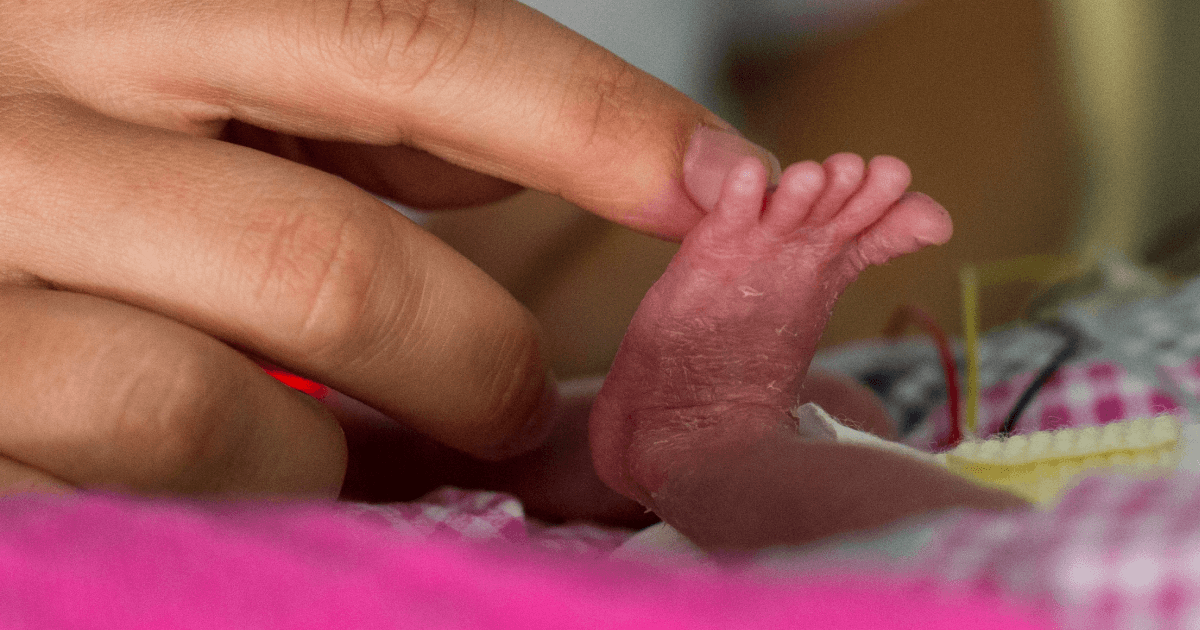 Newsroom
Baby born at 25 weeks reunites with neonatologist two years after leaving hospital
The Catholic Herald Newsroom
Joe Biden honoured by Planned Parenthood after defending abortion rights
Christine Rousselle
subscribe to the catholic herald today
Our best content is exclusively available to our subscribers. Subscribe today and gain instant access to expert analysis, in-depth articles, and thought-provoking insights—anytime, anywhere. Don’t miss out on the conversations that matter most.
Subscribe



