



On this mountain the Lord will prepare for all peoples a banquet of rich food, a banquet of fine wines, of food rich and juicy, of fine strained wines. On this mountain he will remove the mourning veil covering all the peoples. He will destroy death forever. The Lord will wipe away the tears from every cheek.” Isaiah’s vision of salvation spoke to the hunger of sinful humanity. His earlier words had been addressed to a sinful people who had known the ravages of war and famine. They had wandered far from their God. Now the prophet called them back, setting before them the splendour of what they might become if only they responded to God’s call. We respond to Isaiah’s words whenever we consider our own lives and what they might become as we return to the Lord with renewed fidelity. There is, within us all, a deep and seemingly insatiable hunger. We long to love and be loved. We long for peace of heart and mind. Our troubled world cries out for an end to hatred and violence. We long for forgiveness, for the healing of wounds that we have brought upon ourselves and those we love. We bring these longings to the Lord, to the promise that he alone is the banquet that satisfies every longing, that he is the healing that wipes away every tear. But first, and in humility of heart, we must turn to him. Salvation does not come from our good intentions, but from a conscious turning to the Lord. Only when we allow him to shepherd our lives do we find peace in his presence. “Surely goodness and kindness shall follow me all the days of my life. In the Lord’s own house shall I dwell forever and ever.” Jesus used the familiar image of the banquet to describe the rich promise of his kingdom. “The kingdom of heaven may be compared to a king who gave a banquet for his son’s wedding. He sent his servants to call those who had been invited.” As the parable unfolds, there is a mounting contrast between the graciousness of the king’s invitation and the manner in which it was greeted. The king had spared no expense to ensure that those invited might, with him, rejoice in the wedding of a beloved son. “But they were not interested: one went off to his farm, another to his business, and the rest seized his servants, maltreated them and killed them.” It is impossible to hear these words without repenting of the many preoccupations that have distanced us from the Father’s call to live, through love, in his presence. There is always something more important to be done and, like some of the invited guests in the parable, we can even come to resent the insistence of the Father’s invitation nagging at our conscience. Hope still remained. For the king, reacting to this first rejection, addressed his invitation to those who waited outside: “Go to the crossroads and invite everyone you can find.” This invitation stands before us each and every day of our lives. Unworthy though we be, we are invited to share the Father’s delight in his beloved Son. Only in a life shared with Father, Son and Holy Spirit is every hunger satisfied, every tear wiped away. The invitation stands before us. Only one thing is necessary: a humble and contrite heart. This, surely, is the wedding garment that prepares us for the Lord’s banquet.
2:43 PM
Our troubled world cries out for an end to hatred and violence
Twenty-eighth Sunday in Ordinary Time Is 25:6-10A; Ps 23; Phil 4:12-14, 19-20; Mt 22:1-14 (Year A)
Bishop David McGough

3 min read



Already a subscriber? Sign in
5freearticles every month
Continue reading with a free account. No card needed.
- Five free articles every thirty days, on any device you sign in on
- The Catholic Herald newsletter, every morning
- Subscribe whenever you like for everything: every article and the magazine
Related articles
 Newsroom
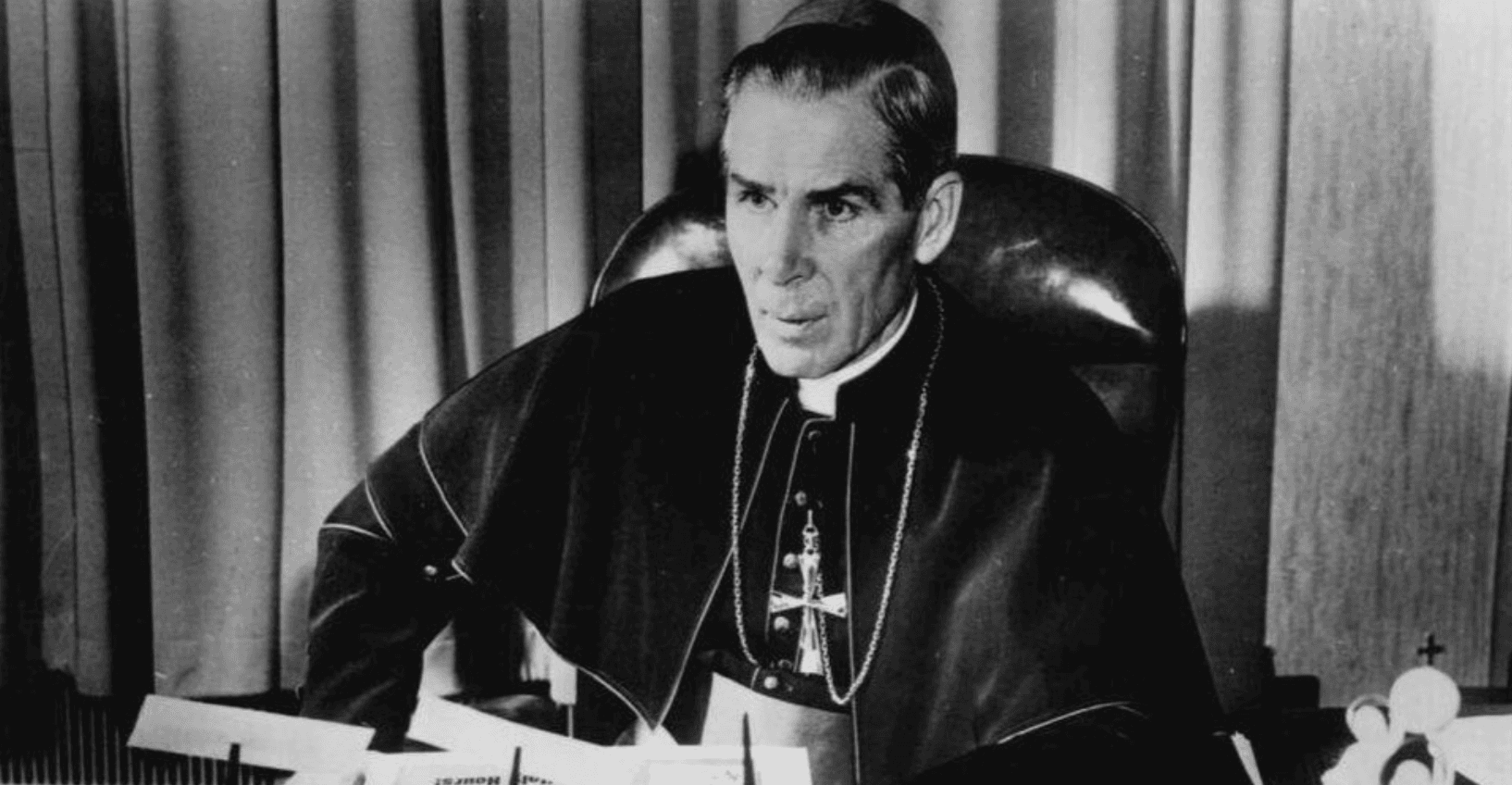
First parish named for Bl Fulton Sheen established in Illinois
Bishop Louis Tylka of Peoria announced the new Blessed Fulton Sheen Parish two days after Sheen became the first American-born bishop to be beatified
Christine Rousselle Newsroom
Injured priest tells Poles: ‘Do not blame Ukraine’ for convent attack
Corrie Douglas-Young Newsroom
Church leaders urge Drumcree dialogue: ‘Too much is at stake’
Corrie Douglas-Young Newsroom
Thousands of Irish children to join global Rosary campaign
Corrie Douglas-Young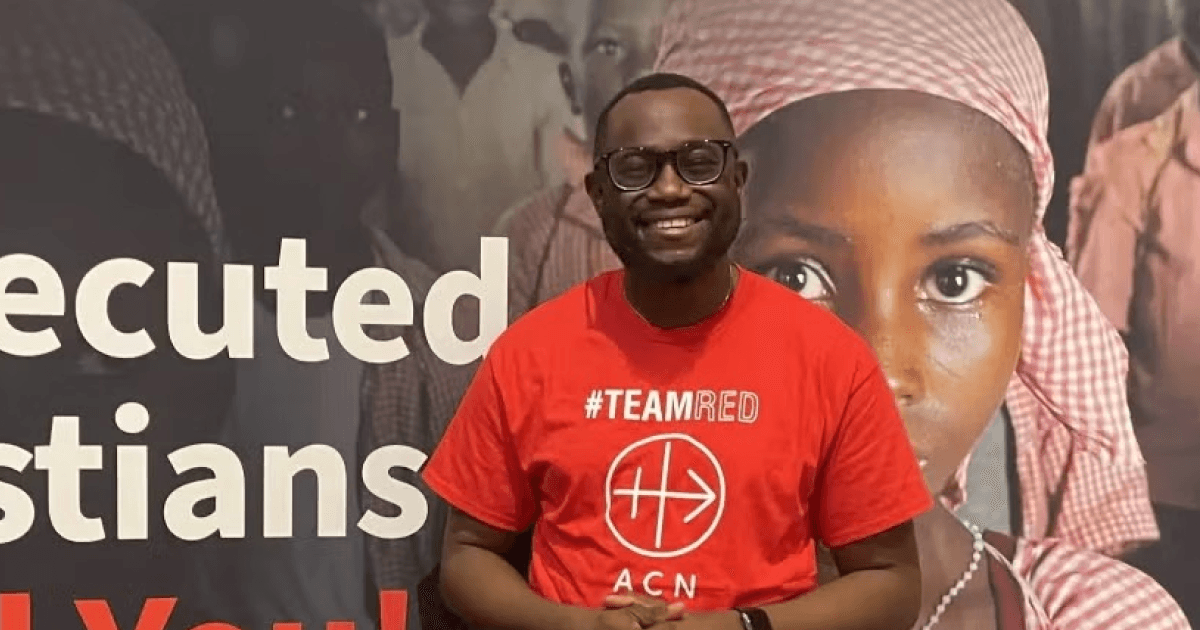 Newsroom
TikTok priest urges young people to stand with persecuted Christians
Nathalie Raffray
subscribe to the catholic herald today
Our best content is exclusively available to our subscribers. Subscribe today and gain instant access to expert analysis, in-depth articles, and thought-provoking insights—anytime, anywhere. Don’t miss out on the conversations that matter most.
Subscribe



