



I make another visit to the Surrey-Hampshire border and to the Sisters of Our Lady, Star of the Sea. An estate agent in the village of Grayshott would probably describe the convent as “A former presbytery built in the early 20th C with adjoining integral church set in attractive grounds with extensive views over the churchyard.” The beautiful church still hosts a Sunday Mass but the Sisters are the community living and praying there daily. The occasion for this trip is a Mass of Thanksgiving for the solemn profession of one of the Sisters. The members of this newly established international order live in small communities practising a life of contemplative prayer and Adoration of the Blessed Sacrament. Though immersed in silence and prayer, the Sisters do manual work and engage in crafts such as pottery to support themselves financially. They balance all this with involvement in evangelisation, especially of the young. There is a youthful vitality and joy about them which is deeply striking, something more substantial than a friendly manner – because, paradoxically, it is revealed when they are least attempting to engage socially. They share that intangible quality contemplatives possess which I can only describe as integrity. It derives from the discipline of trying to live for someone else: for the Lord. Those who draw closer to him also draw closer to the self, because he made and is redeeming us. This means that the Sisters’ personalities are revealed not just in the ways in which we imagine one comes to know another – for example, at the party they host after the Mass and thanksgiving – but in everything they do: the way they walk into church, the attitude of their bodies when they pray, the way they sing, the quality of their smiles, their voices, the way they listen to their guests. They are fully present because they are forgetful of self. They wear full-length grey habits and white veils. This reveals the same paradox. The world imagines that to be ourselves we must express our individuality through the way we dress and style ourselves. As I see the Sisters in their habits, I am struck by how shallow such a conception of identity that is. Set against the uniformity of the habit, each Sister’s personality emerges more clearly precisely because it has not been reduced to a conscious projection of one aspect of it. In his homily, Bishop Philip Egan provides a metaphor relevant to this paradox. He says that the modern world’s ability to light up our cities at night means that we have obscured the wondrous beauty of the stars. Analogously, the activity of an excessively materialistic, self-centred culture obscures the light of God, and where you obscure God you lose sight of authentic humanity. He hails Sister Rebekah-Marie’s solemn profession as something extraordinary to our contemporary world. But to those of us with faith, it is an inspiring reminder that our hearts will never be satisfied by the material, created world, but that they will only find fulfilment in looking to the heavens for God. In such a context the title of the Sisters’ patron – Our Lady, Morning Star – becomes all the more poignant. The Song of Songs asks: “Who is she that comes forth fair as the morning rising?” St Bridget describes Our Lady as “The star proceeding the sun”. It is easy to forget that the sky becomes lighter before we can actually see the sun above the horizon. A 16th-century treatise explains: “Like as the morning cometh before the sun rising, and divideth the night from the day, so the Virgin Mary rose as the morning before the Sun of Justice, and divided the state of grace from the state of sin, the children of God from the children of darkness. Whereupon the Church singeth to Her praise.” It was for this reason that the Lady Chapel was often situated at the extreme east end of medieval cathedrals, beyond the high altar, so that the light of dawn would first enter through there, vividly symbolising the truth that the dawn of salvation came through Mary, but that she herself is also the first to be bathed in the light of redemption. “Because without loss of its own integrity, a star sends forth its rays, so Mary brought forth Jesus,” says St Bernard. May Mary, Morning Star, powerfully intercede for these her daughters, that the same blessing may flow through their life of contemplation, for themselves and for the Church. Pastor Iuventus is a Catholic priest in London
12:00 PM
Pastor Iuventus: The contemplatives who exude vitality and joy
Pastor Iuventus

4 min read



Already a subscriber? Sign in
5freearticles every month
Continue reading with a free account. No card needed.
- Five free articles every thirty days, on any device you sign in on
- The Catholic Herald newsletter, every morning
- Subscribe whenever you like for everything: every article and the magazine
Related articles
 Newsroom
Church leaders urge Drumcree dialogue: ‘Too much is at stake’
The Catholic and Church of Ireland Archbishops of Armagh have urged a renewed commitment to peace and reconciliation amid the Drumcree stand-off
Corrie Douglas-Young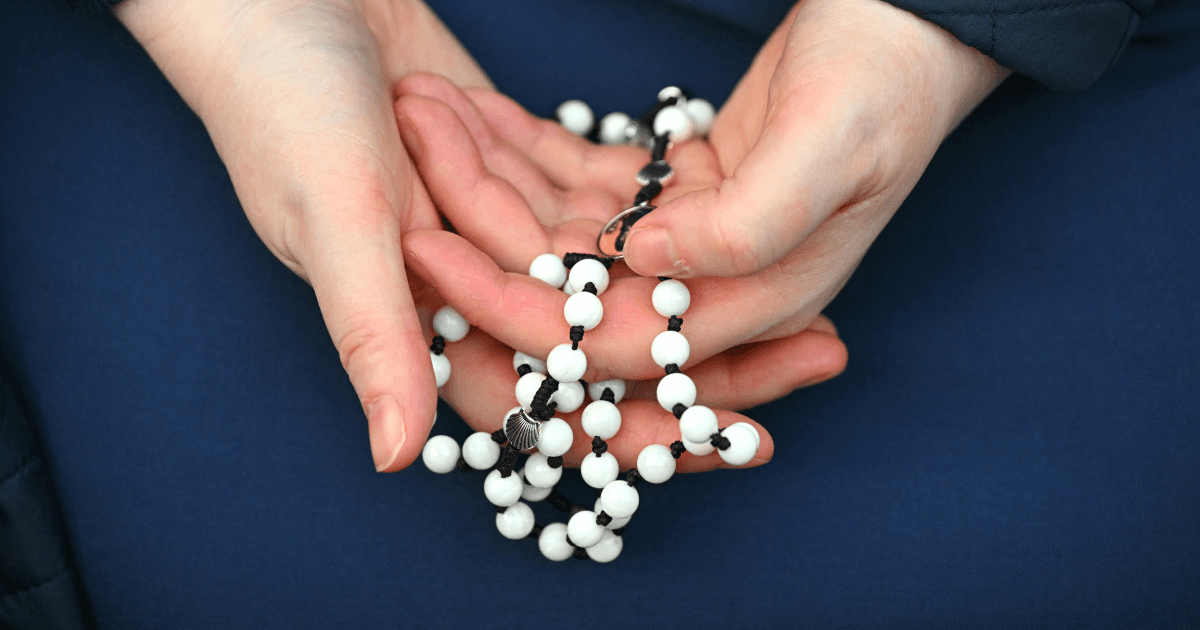 Newsroom
Thousands of Irish children to join global Rosary campaign
Corrie Douglas-Young Newsroom
TikTok priest urges young people to stand with persecuted Christians
Nathalie Raffray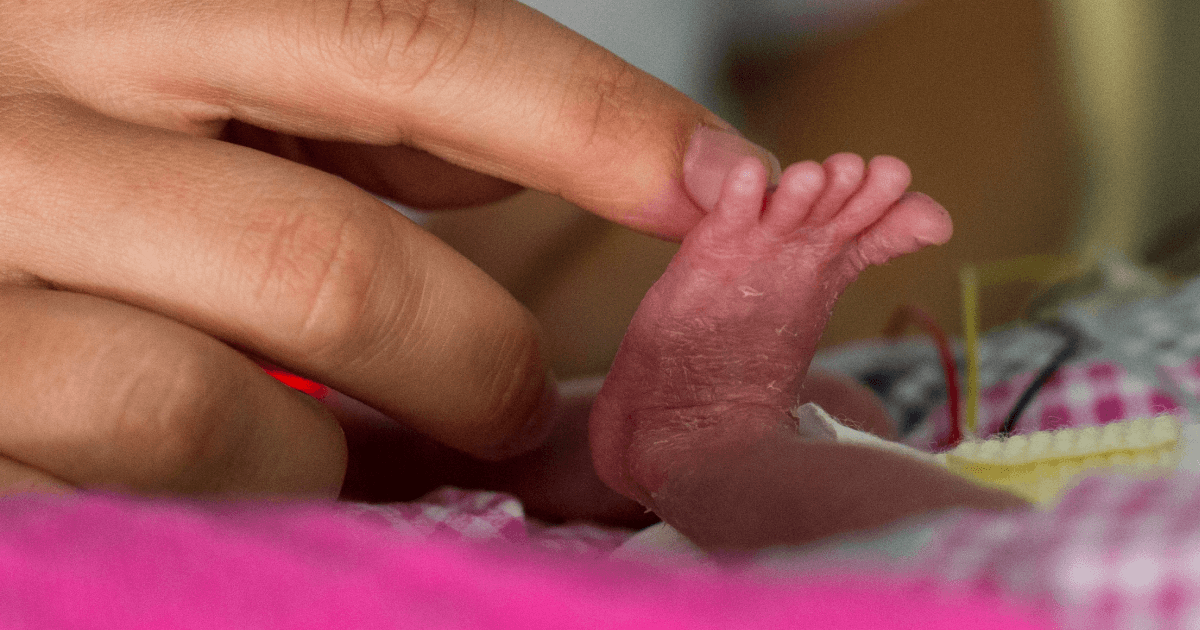 Newsroom
Baby born at 25 weeks reunites with neonatologist two years after leaving hospital
The Catholic Herald Newsroom
Joe Biden honoured by Planned Parenthood after defending abortion rights
Christine Rousselle
subscribe to the catholic herald today
Our best content is exclusively available to our subscribers. Subscribe today and gain instant access to expert analysis, in-depth articles, and thought-provoking insights—anytime, anywhere. Don’t miss out on the conversations that matter most.
Subscribe



