


We had a beautiful celebration of Candlemas at school, enhanced by some lovely music. Health and safety precluded the lighting of candles by the congregation since these would have set off the smoke detectors in the school hall. It’s a shame, because the faithful carrying lighted candles into church is a powerful symbol of the Blessed Mother carrying her child into the temple. Now, school Mass is in the hall, but anything we can do to recover some sense of our churches as sacred spaces and the absolute priority of the worship of Almighty God is greatly to be desired. It seems to me that this is what is implied by the Holy Family’s fidelity to the Law, shown as they present their child in the temple as the firstborn of God, the one who is the living temple of God’s presence, as the Immaculate Mother seeks purification after a virginal birth. This humble, external conformity to the Law of Moses concerning worship reveals the importance of an external conformity to the Law to reveal its inherent meaning to others. Though there is a familiar strain throughout the Scriptures warning against the danger of a merely external conformity to the law, to assume that indifference to such conformity implies a more sincere or mature religious observation is fallacious. It is equally foreign to the spirit of the Law. And yet while liturgical “rigidity” has since the Council been about as popular as smoking in a crêche, the widespread tolerance of abuses is somehow legitimate, betokening a more meaningful, organic worship of the People of God. I have been doing quite a lot of supply work since Christmas, celebrating Mass in different parishes to cover the priest’s post-Christmas break. It struck me that in most places there is little real sense of the church as anything but an appointed meeting place, not unlike a theatre, in which one is quiet only while the “performance” lasts. Where once people might have exchanged the odd whisper, loud conversations and laughter are now the norm before and after Mass. This is so even if there are a few brave souls obviously trying to prepare prayerfully for Mass or to make a thanksgiving afterwards in church. In many places it would seem that genuflection, that distinctive gesture which even non-Catholics recognise as signifying belief in the Real Presence, seems to have completely died out. I still remember years ago when it was first trailed, as one of those pieces of liturgical sophistication, that by genuflecting to the tabernacle during the Mass you were “distracting” attention from what was happening on the altar. So everyone stopped genuflecting during Mass when passing the tabernacle. Unsurprisingly, now many have stopped genuflecting altogether. In one parish, despite a whole elaborate ritual for their arrival at the sanctuary, the extraordinary ministers of Holy Communion didn’t genuflect once either to the tabernacle, the Real Presence on the altar, when receiving Holy Communion; or when leaving the altar. If genuflecting to the tabernacle during the celebration of Mass is verboten because it draws attention away from the Real Presence on the altar, what does half a dozen people in their ordinary clothes arriving on the sanctuary and standing there while the sacrifice is consummated do for our understanding of what’s happening? My birthday follows hard on Candlemas. Often it is a time when I am abroad or giving retreats. But this year I was able to celebrate with my family. We had a proper tea with cucumber sandwiches, Scotch pancakes and birthday cake. My mother recalled the harsh winter night that raged outside when I was born and how the midwife almost arrived too late because she had to travel miles through the snow on a bike. And I realised then how we know about the Presentation, because Mary would similarly have reminisced about her son. When the Gospel says she “treasured all these things in her heart”, we tend to think of it as a kind of abstract reflection. In fact, it was love for her new baby which imprinted such details on her heart, love the motive for pondering them, which meant she continued to ponder without necessarily reaching a conclusion about their meaning until she beheld Him in heaven. Pastor Iuventus is a Catholic priest in London
12:00 PM
Pastor Iuventus: Why Catholics stopped genuflecting
Pastor Iuventus

4 min read



Already a subscriber? Sign in
5freearticles every month
Continue reading with a free account. No card needed.
- Five free articles every thirty days, on any device you sign in on
- The Catholic Herald newsletter, every morning
- Subscribe whenever you like for everything: every article and the magazine
Related articles
 Newsroom
Church leaders urge Drumcree dialogue: ‘Too much is at stake’
The Catholic and Church of Ireland Archbishops of Armagh have urged a renewed commitment to peace and reconciliation amid the Drumcree stand-off
Corrie Douglas-Young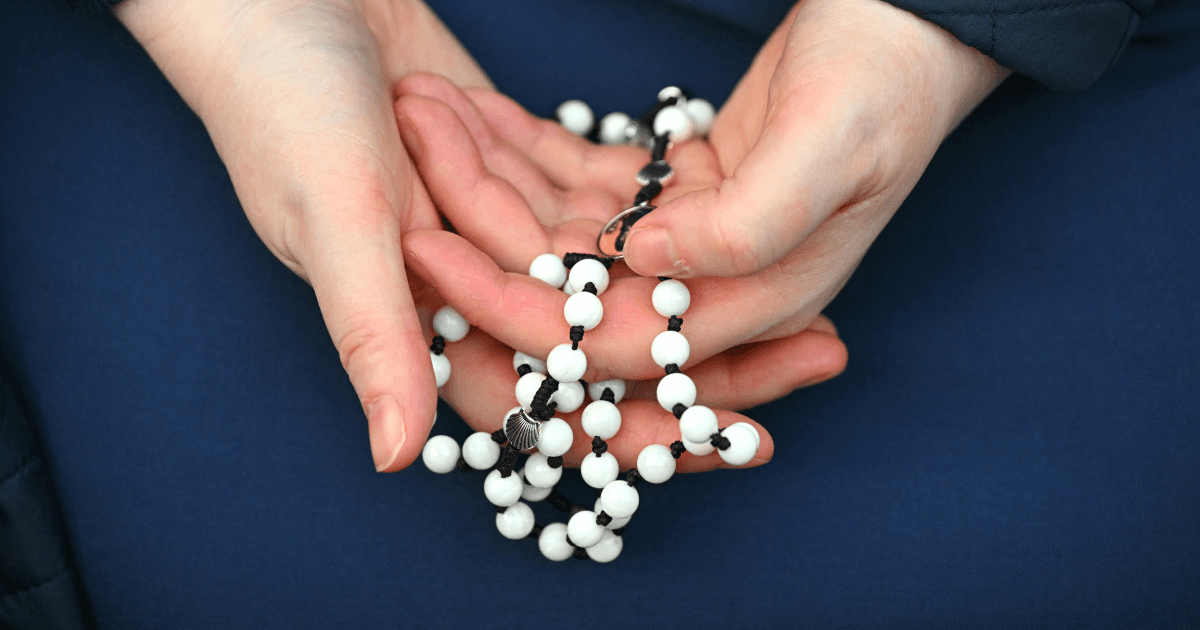 Newsroom
Thousands of Irish children to join global Rosary campaign
Corrie Douglas-Young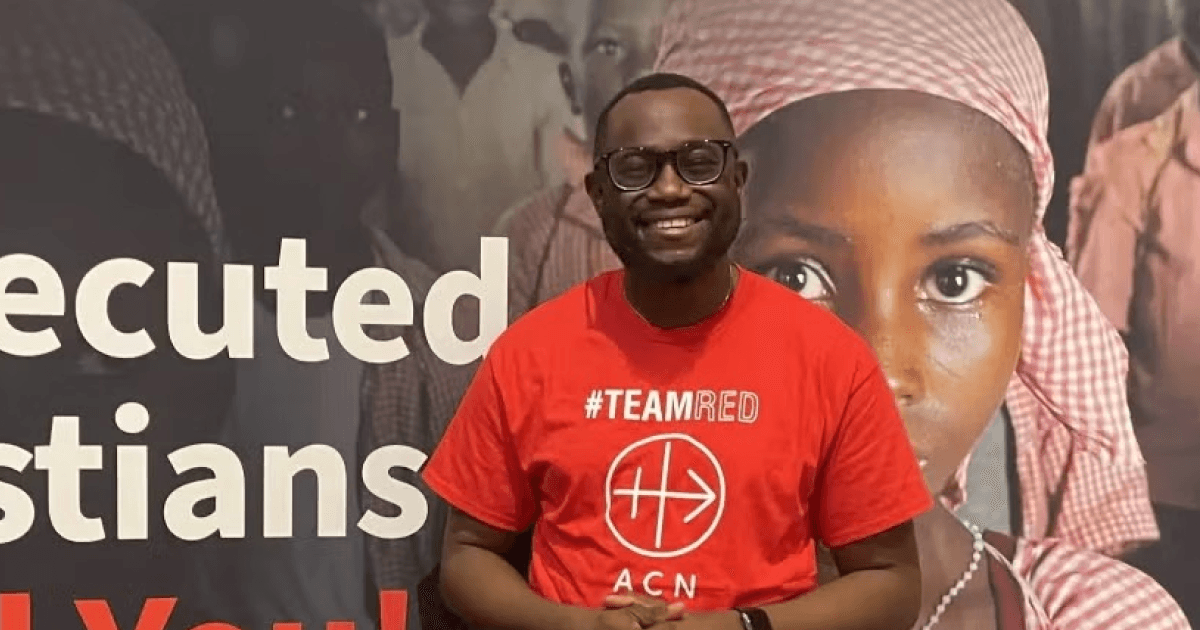 Newsroom
TikTok priest urges young people to stand with persecuted Christians
Nathalie Raffray Newsroom
Baby born at 25 weeks reunites with neonatologist two years after leaving hospital
The Catholic Herald Newsroom
Joe Biden honoured by Planned Parenthood after defending abortion rights
Christine Rousselle
subscribe to the catholic herald today
Our best content is exclusively available to our subscribers. Subscribe today and gain instant access to expert analysis, in-depth articles, and thought-provoking insights—anytime, anywhere. Don’t miss out on the conversations that matter most.
Subscribe



