


Given the many different rites in the Catholic Church, one wonders why there is no Jewish rite, with a liturgy in Hebrew and the words of consecration in Aramaic, the language spoken by Christ. This thought came to me after reading the recent publication of the Vatican’s Commission for Religious Relations with the Jews. Published on the 50th anniversary of the decree Nostra Aetate of Vatican II, it is fascinating for what it tells us about current theological thinking by Europeans still reeling from the enormity of the Shoah. “The dark and terrible shadow of the Shoah over Europe during the Nazi period,” writes the president of the commission, Cardinal Kurt Koch, “led the Church to reflect anew on her bond with the Jewish people”. It is certainly a sobering thought for Catholics that, while the Shoah was the work of post-Christian atheists, almost all of them, including Hitler himself, came from a Catholic culture; and that the many centuries of Christian anti-Semitism may to some extent have prepared the ground. It could equally be said, of course, that without the Catholic Church, the Jews, like the pagans, in Western Europe would not have survived the Dark Ages; the popes in Rome issued many bulls, insisting that the Jews be protected, and condemning forced conversions. But it was not until 1965 that Vatican II’s Nostra Aetate definitively anathematised the “blood libel” and insisted that the Church now holds the Jews “in high esteem”. Does this new publication go beyond Nostra Aetate? The Vatican II decree reaffirmed that it is only “Christ who is the way, the truth and the life”, and the commission acknowledges that 50 years later this remains a “stumbling block” for Jews – “the central and neuralgic point in Jewish-Catholic dialogue”. Is there a way around, or over, this stumbling block? My understanding of the argument of Cardinal Koch and his colleagues is that there is. We make a mistake if we regard Catholicism and Judaism as separate religions. They are, rather, one religion with two covenants – a new and an old; but the new has not superseded the old. Hence the title of this document, taken from St Paul’s Epistle to the Romans, The Gifts and the Calling of God are Irrevocable. “From the Christian confession that there can be only one path to salvation, however, it does not in any way follow that the Jews are excluded from salvation because they do not believe in Jesus Christ as the Messiah of Israel and the Son of God.” To the lay Catholic, this is puzzling because, against St Paul’s teaching in Romans 11:29, there are a number of passages in the Gospels in which Jesus castigates his people for failing to recognise him as their Messiah. For example, in the Parable of the Wicked Husbandmen, the tenants of a vineyard abuse the servants of the owner and finally kill his son. “This is the heir. Come on, let us kill him, and the inheritance will be ours” (Mark 12:1-10). After which “the owner of the vineyard will bring those wretches to a wretched end and lease the vineyard to other tenants” (Matthew 21:41). This hardly sounds like a promise of salvation. Cardinal Koch and his colleagues describe this contradiction between the teaching of Jesus and that of St Paul as “an unfathomable divine mystery”. Such an explanation may be good enough for a theologian but not for an historian. Jesus, as Ernst Renan wrote in his Life of Jesus, “was a destroyer of Judaism” – something that was clear to Ananias and Caiaphas, and led not just to the crucifixion of Christ, but the subsequent attempts to stamp out the new religion – the conspiracy to assassinate St Paul, and the martyrdom of St Stephen and St James. This hatred of Jesus and his followers is found in the Babylonian Talmud, the central text of rabbinic Judaism, studied in the ghettos and shtetls for more than a thousand years. Thus anti-Catholicism among Jews, as well as anti-Semitism among Catholics, is found throughout history and persists in some quarters in the present day. It is right for Catholics to regret the prejudices of the past, but one-sided breast-beating is not just bad history, it also creates a permanent sense of victimhood and demoralises Catholics who are made to feel ashamed of their Church. It is also baffling when theologians, as Benedict XVI once put it, interpret Scripture contrary to its obvious meaning. Clearly, we hope that all will be saved, Jews and Gentiles alike; but, as St Peter said, “God does not have favourites” (Acts 10:34), and the name of Jesus “is the only one by which we can be saved” (Acts 4:12).
12:00 PM
Piers Paul Read: The Jewish stumbling block
Piers Paul Read


4 min read



Already a subscriber? Sign in
5freearticles every month
Continue reading with a free account. No card needed.
- Five free articles every thirty days, on any device you sign in on
- The Catholic Herald newsletter, every morning
- Subscribe whenever you like for everything: every article and the magazine
Related articles
 Newsroom
Church leaders urge Drumcree dialogue: ‘Too much is at stake’
The Catholic and Church of Ireland Archbishops of Armagh have urged a renewed commitment to peace and reconciliation amid the Drumcree stand-off
Corrie Douglas-Young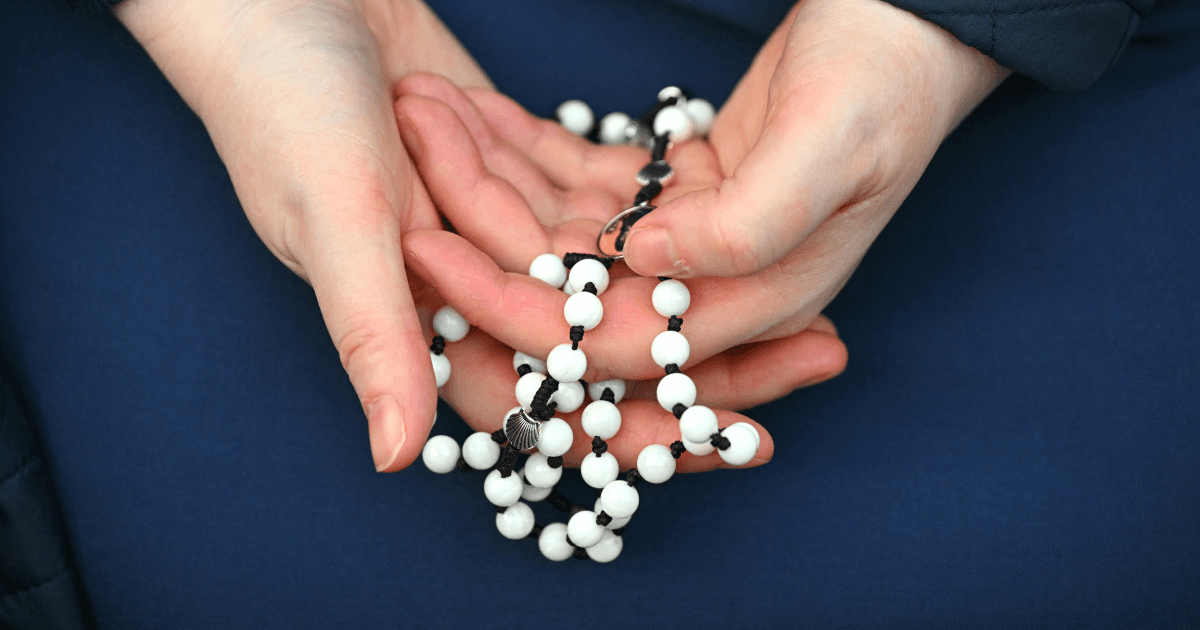 Newsroom
Thousands of Irish children to join global Rosary campaign
Corrie Douglas-Young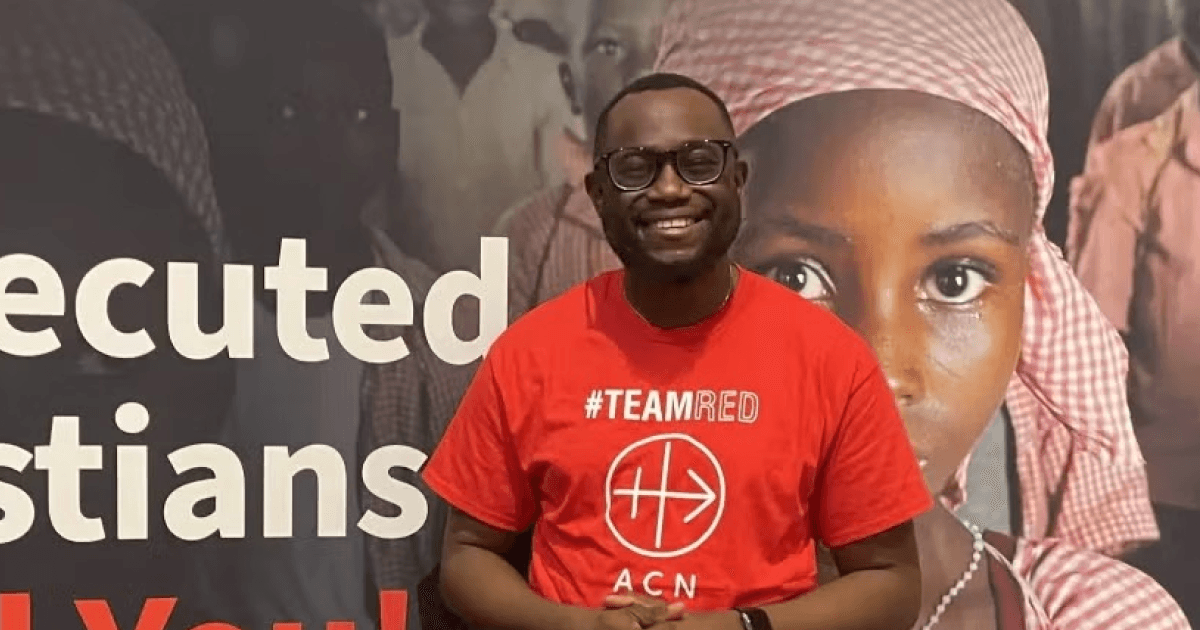 Newsroom
TikTok priest urges young people to stand with persecuted Christians
Nathalie Raffray Newsroom
Baby born at 25 weeks reunites with neonatologist two years after leaving hospital
The Catholic Herald Newsroom
Joe Biden honoured by Planned Parenthood after defending abortion rights
Christine Rousselle
subscribe to the catholic herald today
Our best content is exclusively available to our subscribers. Subscribe today and gain instant access to expert analysis, in-depth articles, and thought-provoking insights—anytime, anywhere. Don’t miss out on the conversations that matter most.
Subscribe



