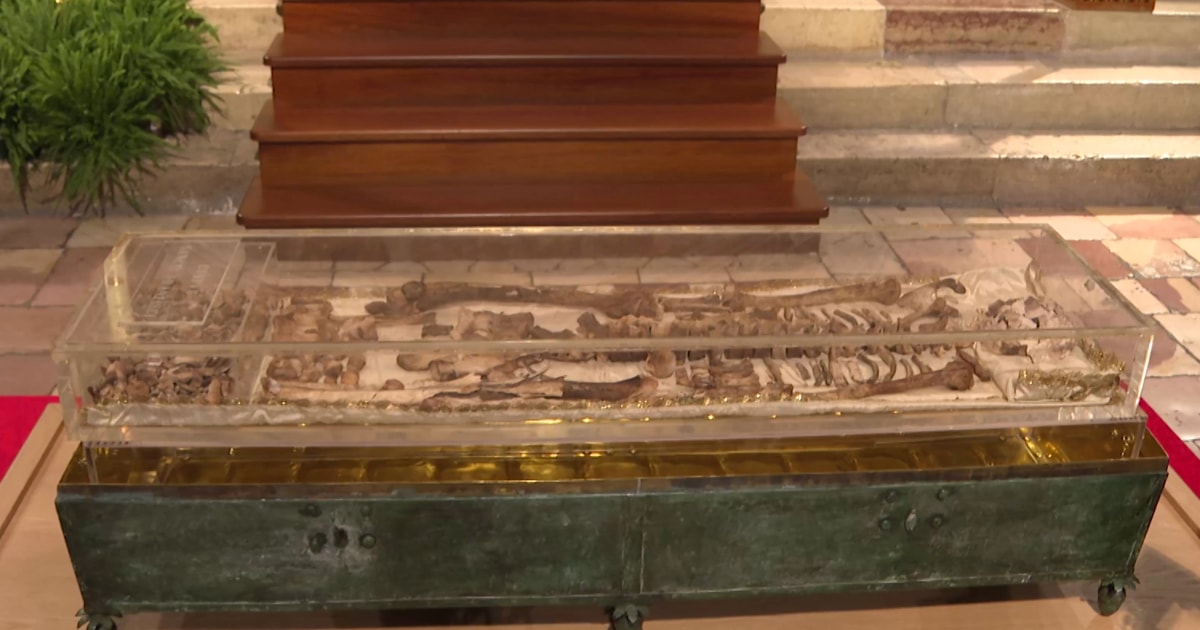

The unveiling of the mortal remains of St Francis of Assisi for the first time in 800 years has drawn more than 100,000 people through the Basilica of St Francis in the first week alone.
The exposition, which began on 22 February and continues until 22 March, marks the first public display of the relics of the 13th-century saint since his death in 1226. Alongside the visitors, the Diocese of Assisi confirmed in a statement that more than 35,000 faithful attended Mass in the basilica during the opening week.
Friar Marco Moroni, custodian of the Sacred Convent, said the friars had been deeply moved by the response in a press statement. “Seeing thousands of pilgrims pass through the basilica with serene, smiling faces, sometimes streaked with tears of emotion, is the most beautiful testimony that this is intended to be a profound spiritual moment, not a spectacle,” he said.
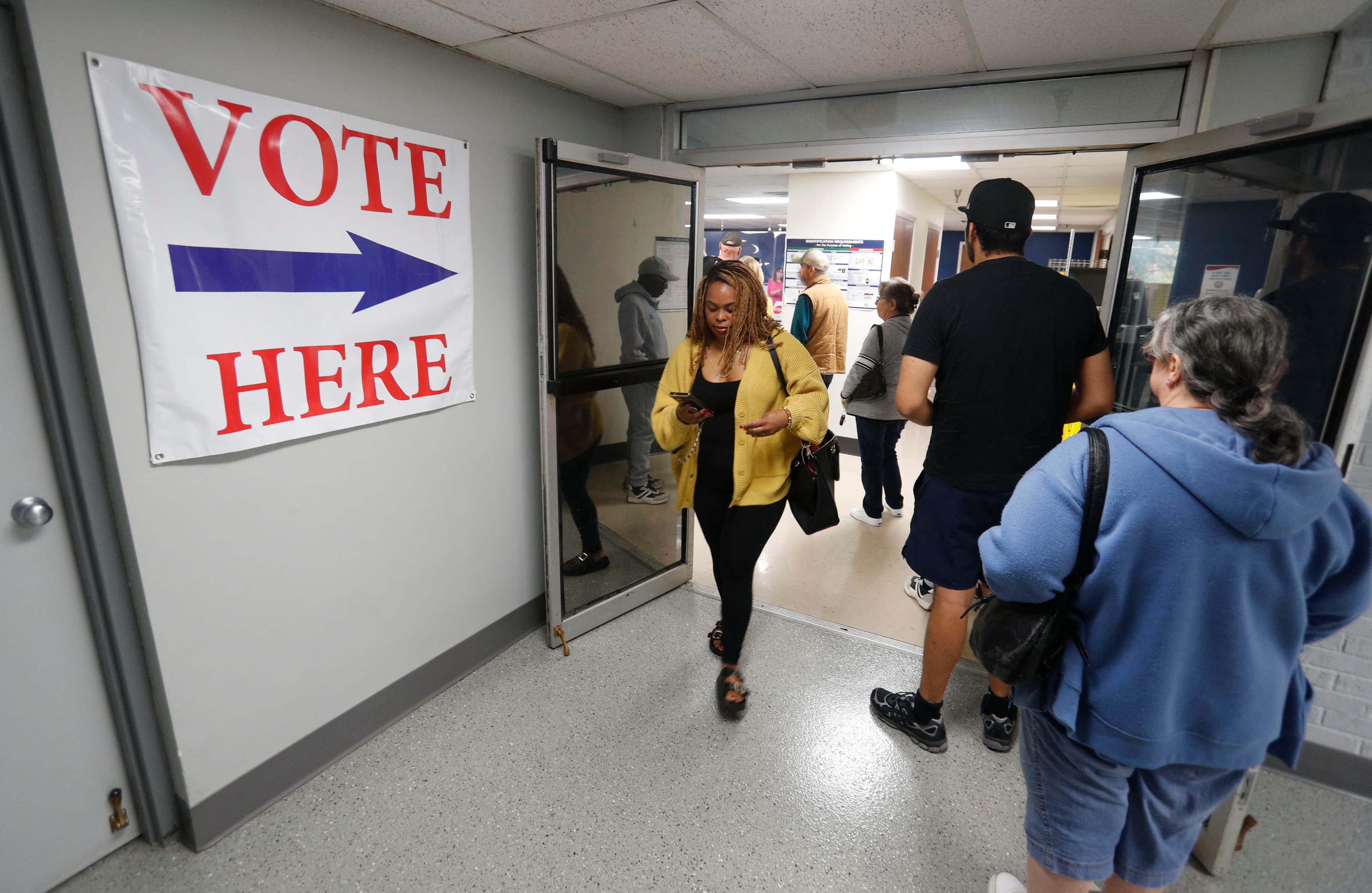
The logistical scale of the event has been considerable. Friar Riccardo Giacon, who coordinated arrangements, noted the “joy, enthusiasm and happiness” evident among the crowds each day. Some 400 volunteers from numerous countries are assisting with stewarding and hospitality, while advance online registration has been required to manage the steady daily flow, estimated at between 15,000 and 18,000 pilgrims.
International participation has been notable, though the majority of pilgrims have come from Italy. Thousands have travelled from the United States, Croatia, Slovakia, Brazil and France, evidence of the enduring global appeal of the Poverello.
The relics were brought from the sarcophagus in the crypt on the eve of the public opening and carried in solemn procession through the Lower Church as the Litany of the Saints was sung, before Vespers were celebrated beneath the basilica’s frescoed vaults.
For the Franciscans, the timing of the exposition has taken on added resonance amid a backdrop of international unrest. Friar Giulio Cesareo, director of communications for the Sacred Convent, said the veneration “has confirmed to us that people love and desire to experience fraternity and mutual acceptance”.
He added: “Saint Francis reawakens in us respect for others, but the international events of recent days seem to contradict all this.” In a pointed appeal, he said that before the remains of the saint, regarded as a “universal brother”, those responsible for governing nations should heed the calls of Pope Leo XIV to “abandon the path of violence to embrace that of diplomacy, dialogue and peace”.
The choice of language echoes the charism of St Francis himself, whose life was marked by radical poverty, reconciliation and a disarming simplicity that crossed political and religious boundaries. Born Giovanni di Pietro di Bernardone in 1181 or 1182, the son of a cloth merchant, Francis renounced wealth and status to embrace a life of evangelical poverty.
The Basilica of St Francis of Assisi, begun shortly after the saint’s canonisation in 1228, has for centuries been a focal point of Christian pilgrimage. The current exposition offers the faithful an opportunity rarely granted: to pray in close proximity to the physical remains of a figure whose spiritual legacy has shaped Catholic life for eight centuries.
The exposition will conclude with a Mass in the Upper Church presided over by Cardinal Matteo Maria Zuppi, after which the remains will be returned to their resting place. Until then, the steady procession is expected to continue.