

The Polish Embassy to the Holy See hosted an event ahead of the publication of a book reflecting on Polish-German reconciliation following the Second World War. Archbishop Paul Richard Gallagher said at the event that the example retained “a particular power and relevance today”.
The publication We Forgive and Ask for Forgiveness takes its title from the letter sent by the Polish bishops to their German counterparts in 1965. It followed an academic conference held in 2025 at the Pontifical Gregorian University which marked the 60th anniversary of the reconciliation efforts.
Communist authorities in Poland reacted to the 1965 message with anti-Catholic and anti-German measures, and announced state celebrations marking a millennium of Polish statehood to diminish the Church celebrations of 1000 years since the Christianisation of Poland.
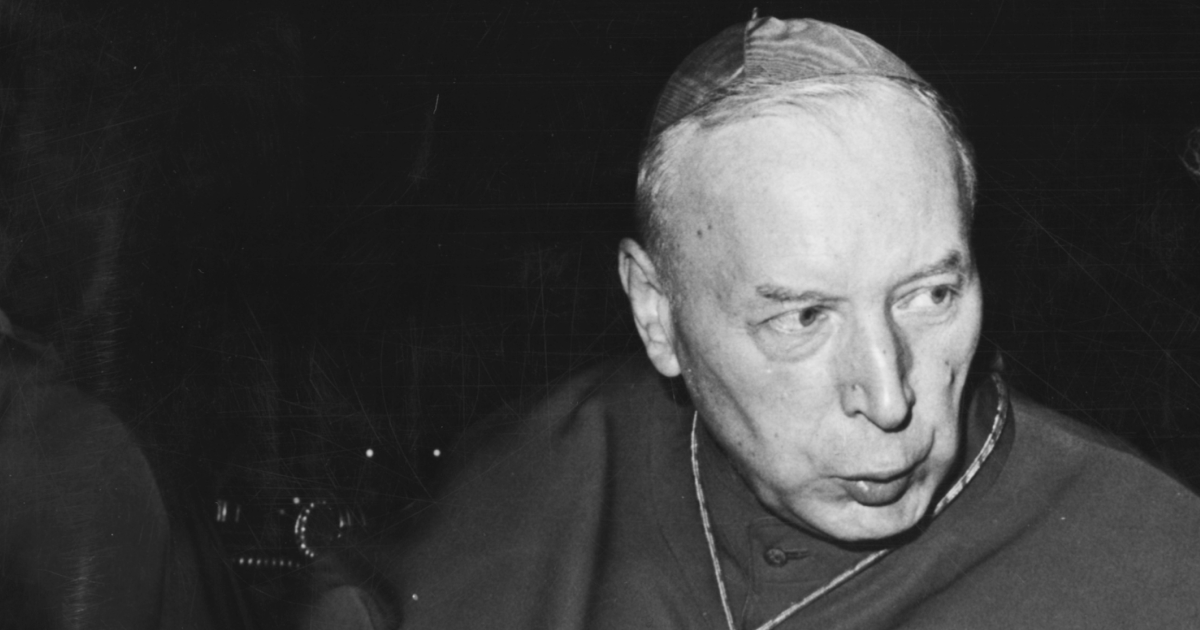
German-speaking academics were forced to sign a letter opposing the move, with some being fired upon their refusal. The Primate of Poland, Cardinal Stefan Wyszyński, was refused a passport to travel to Rome the same year. The following year, the ruling communist party made plans to limit Catholic schools as further punishment.
Archbishop Gallagher, who serves as Secretary for Relations with States and International Organizations, said the letter had been published “in a Europe still deeply scarred by the wounds of war” and noted its continued relevance for the continent today.
“They remind us that reconciliation is born not from forgetting the past, but from the ability to face it truthfully, with courage and trust, while opening ourselves to sincere dialogue, remembering also that, for a Christian, it is above all a gift from the Lord, as Saint Paul says: ‘In Christ, God reconciled us to himself,” he said.
The archbishop pointed to the value of the letter “for the present and the future, at a time when new divisions and conflicts abound. It reminds us how precious it is to safeguard what has been patiently built over decades.” He thanked the Polish and German Embassies to the Holy See for their commitment to preserving the memory of the efforts as part of the wider reconciliation in post-war Europe.
Polish Ambassador Adam Kwiatkowski thanked Archbishop Gallagher for recalling the relevance of the letter, stating that “for Poland and for Germany, this is enormously significant.”
“The world needs something more. It needs more courageous gestures and decisions capable of being ahead of their time. It needs a willingness to reach out to another person. It needs expressions of respect and gratitude towards others, despite existing differences,” he said.
German Ambassador Bruno Kahl emphasised that the gesture towards reconciliation gave an important example for today, stating that it can be “difficult, but it is possible”.
“Someone, however, must take the first step,” he said. “May this publication help awaken the relevant institutions and make the right people more aware of these values and this fundamental understanding, so that similar initiatives to overcome hatred, violence and war may also emerge today.”
The anniversary commemorations were initiated by Dr Andrzej Jerie, director of the Remembrance and Future Centre in Wrocław. He told Vatican News that the new book brought together all of their activities connected with the 60th anniversary.
“When we read its contents carefully, we can see the concrete fruits of our joint efforts to build good Polish-German relations,” he said.
“Among them are the moving words of Knut Abraham, who said during the conference that the Wrocław commemorations of the 60th anniversary of the Polish bishops’ letter to the German bishops had contributed to the Bundestag’s almost unanimous vote to fund the Polish House and the monument to Polish victims of the Second World War in Berlin. That one sentence alone made publishing this book worthwhile.”