


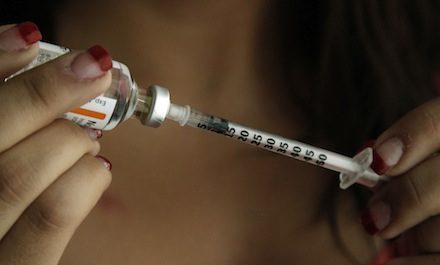
In her Guardian article today in favour of legalising assisted suicide, Polly Toynbee has asked Catholics why they pray to St Joseph for a good death but deny it to themselves? She seems to be suggesting, rather creepily, that the definition of a “good death” is one in which doctors supply their patients with lethal drugs so they can commit suicide. But this is not her most disturbing point. Weighing up the arguments against assisted suicide, she goes on to say: “Another bad argument is that the frail will be intimidated into hastening the end of their lives so as not to be a burden on their children. Well, why not? “I would not choose to put unbearable caring duties on my four children. I hope not to leave them with a miserable memory of a wretched prolonged and agonising end. That’s not a bad reason.” We take it for granted that our society does not approve of suicide. Suicides are reported as a tragedy by the media, governments works tirelessly to promote suicide prevention strategies, suicide watches exist for people deemed to be at risk. How many people who aren’t terminally-ill and are contemplating suicide, consider themselves a burden on society and their families emotionally or financially? Should we be telling them they should go ahead and do us all a favour? If physician-assisted suicide is legalised in this country I sincerely hope that doctors who counsel their patients about this decision will not share Polly’s reasoning. It’s spine-chilling to think that there may come a day when an elderly lady just diagnosed with cancer, who might be uncertain, shocked and facing financial difficulties, will turn to her doctor and say, “I don’t want to be a burden so I think I would like an assisted suicide.” And the icy response: “Well, why not?”
1:18 PM
Polly Toynbee's definition of a "good death" is a disturbing one
If assisted suicide is legalised we must hope doctors don't share Polly’s point of view
Madeleine Teahan

3 min read



Already a subscriber? Sign in
5freearticles every month
Continue reading with a free account. No card needed.
- Five free articles every thirty days, on any device you sign in on
- The Catholic Herald newsletter, every morning
- Subscribe whenever you like for everything: every article and the magazine
Related articles
 Newsroom
Church leaders urge Drumcree dialogue: ‘Too much is at stake’
The Catholic and Church of Ireland Archbishops of Armagh have urged a renewed commitment to peace and reconciliation amid the Drumcree stand-off
Corrie Douglas-Young Newsroom
Thousands of Irish children to join global Rosary campaign
Corrie Douglas-Young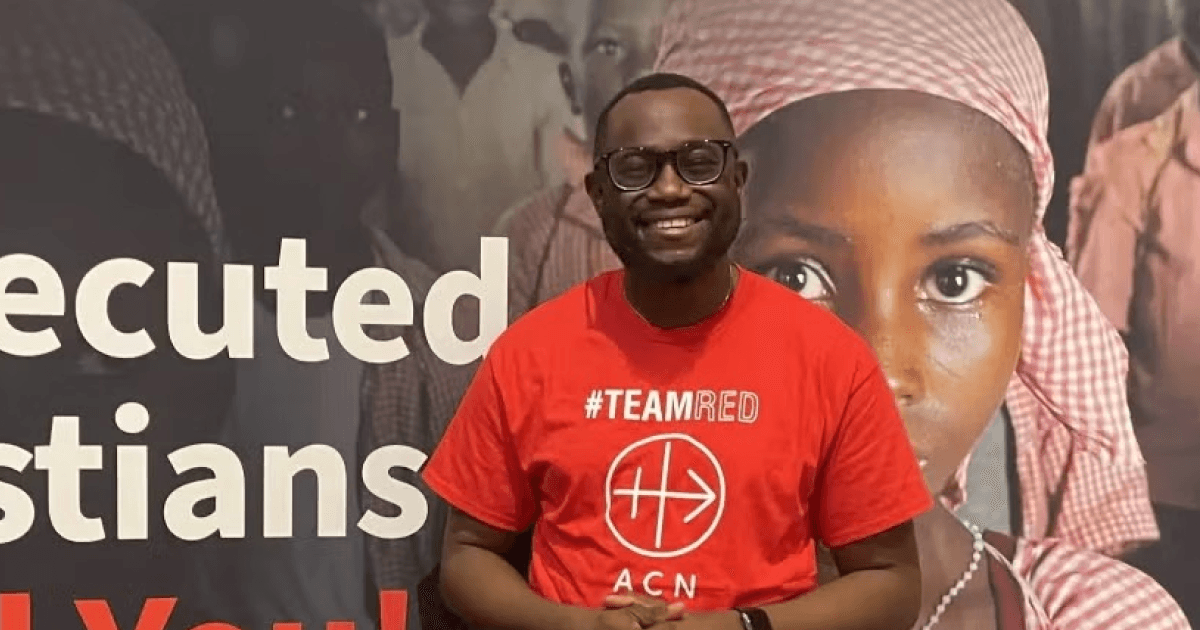 Newsroom
TikTok priest urges young people to stand with persecuted Christians
Nathalie Raffray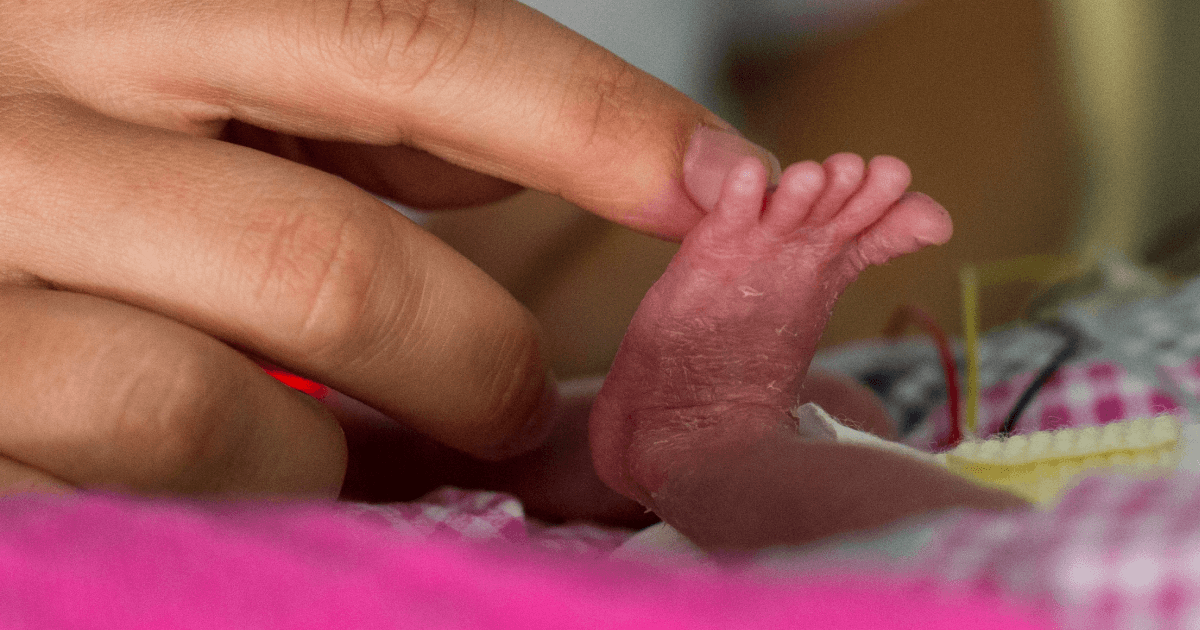 Newsroom
Baby born at 25 weeks reunites with neonatologist two years after leaving hospital
The Catholic Herald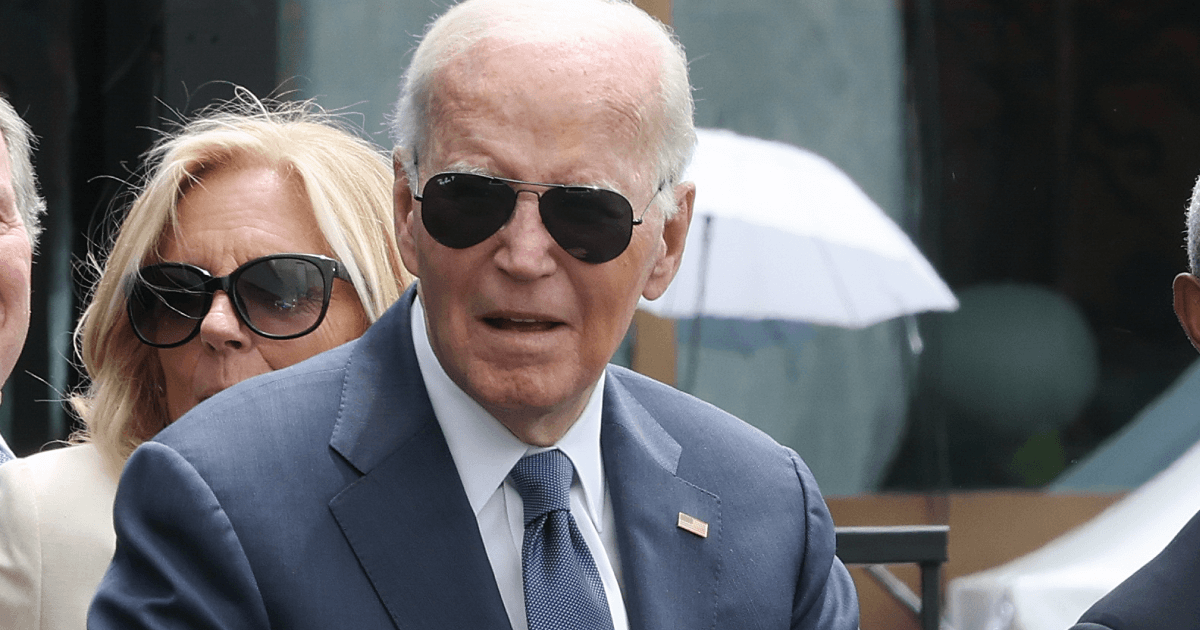 Newsroom
Joe Biden honoured by Planned Parenthood after defending abortion rights
Christine Rousselle
subscribe to the catholic herald today
Our best content is exclusively available to our subscribers. Subscribe today and gain instant access to expert analysis, in-depth articles, and thought-provoking insights—anytime, anywhere. Don’t miss out on the conversations that matter most.
Subscribe



