


I begin these few words by returning to the year 2004, when after a very nasty campaign by an alliance of secularist activists comprising many of the usual suspects, the appointment of the distinguished Catholic statesman and academic Rocco Buttiglione as a European Commissioner was prevented. At the time, the Italian Justice Minister Roberto Castelli denounced Buttiglione’s opponents as “fundamentalist” anti-Christians. And so they were: but the incident was simply taken by Catholics as confirming what we already knew: that the EU had become an intrinsically secularist and anti-Catholic organization. Early last month, it looked as though the same thing was about to happen again, when a campaign by another group of fundamentalist anti-Christians, including the European Humanist Federation, the International Lesbian and Gay Association, ILGA - Europe, and the International Planned Parenthood Federation was getting well under way against the appointment of the “conservative” (ie faithful) Catholic Maltese deputy Prime Minister Dr. Tonio Borg as the new EU Health and Consumer Protection Commissioner, on the grounds of his “staunchly conservative and outdated” views on homosexuality, divorce and abortion (in other words, on the grounds that he was a believing and practising Catholic). On November 28, it was announced that to everyone’s astonishment he has actually been appointed. Does this presage some kind of policy change? I suppose that given the fact that even as small a country as Malta is entitled to have a Commissioner appointed, and that unlike Italy (which has plenty of secularists to go round, many of them lapsed Catholics) there are very few Maltese non-Catholics available for appointment. It’s a country of strong believers, God Bless them, as I know from my own personal knowledge over many years. Very few Maltese secularists actually get anywhere. All the same, it’s still a surprise. Over recent years, the EU has attempted to write its Christian roots out of its DNA, and despite the firm Catholicism of many of its founding fathers, it now tends to exclude openly practising believers, as far as possible, from positions of power and influence. When, in the end, the European Union cooked up a “Constitution” as one stage towards the eventual achievement of a united European state, it contained no mention of Christianity in its historical preamble, despite the fact that for more than two years, Pope John Paul II had urged EU member nations to include some kind of acknowledgement of Europe’s Christian roots. Several members, including France, Belgium and Finland, argued against a religious reference, preposterously maintaining the need for a separation of church and state—as though simply acknowledging Europe’s Christian roots did anything—or was intended to do anything—remotely like Christianising its corrupt and turgid institutions (if only). The then Cardinal Ratzinger took up the campaign for some kind of EU acknowledgement of the Christian origins of European culture in a lecture given the day before Pope John Paul’s death. We must, he said:
9:12 AM
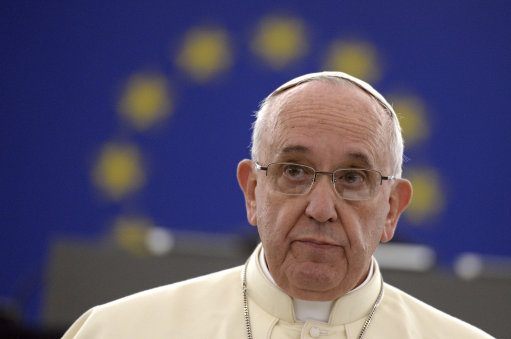
Pope Francis has made a definitive contribution to the European debate
The European Union is withering because it has uprooted itself, he says: unless it returns to God, its institutions are finished
William Oddie

7 min read



Already a subscriber? Sign in
5freearticles every month
Continue reading with a free account. No card needed.
- Five free articles every thirty days, on any device you sign in on
- The Catholic Herald newsletter, every morning
- Subscribe whenever you like for everything: every article and the magazine
Related articles
 Newsroom
Church leaders urge Drumcree dialogue: ‘Too much is at stake’
The Catholic and Church of Ireland Archbishops of Armagh have urged a renewed commitment to peace and reconciliation amid the Drumcree stand-off
Corrie Douglas-Young Newsroom
Thousands of Irish children to join global Rosary campaign
Corrie Douglas-Young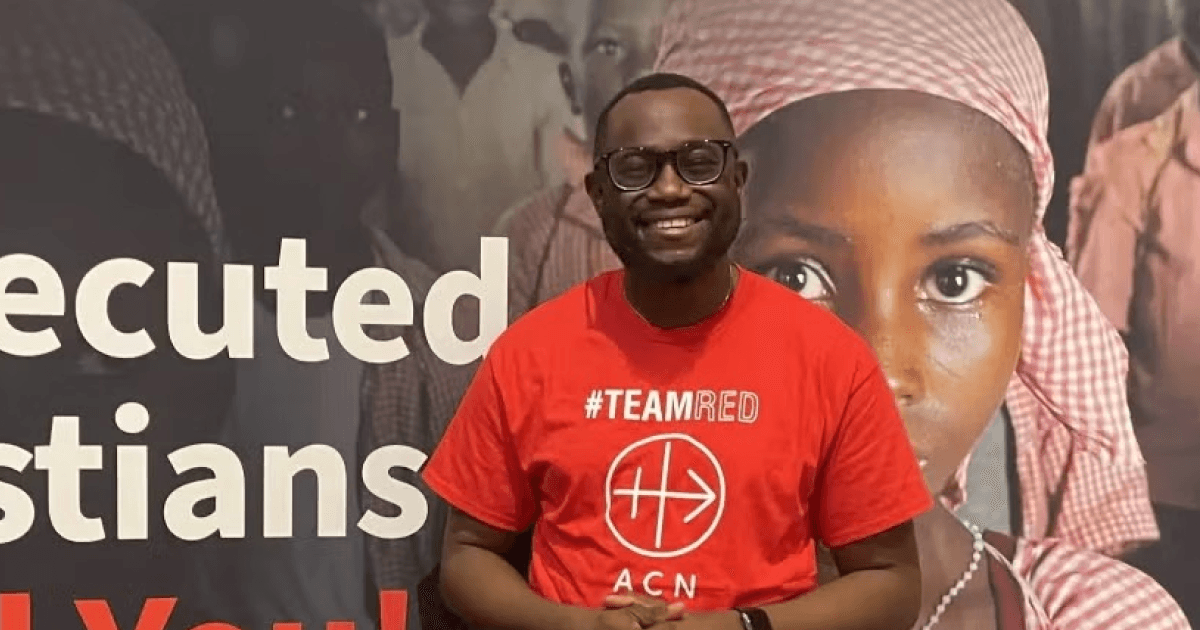 Newsroom
TikTok priest urges young people to stand with persecuted Christians
Nathalie Raffray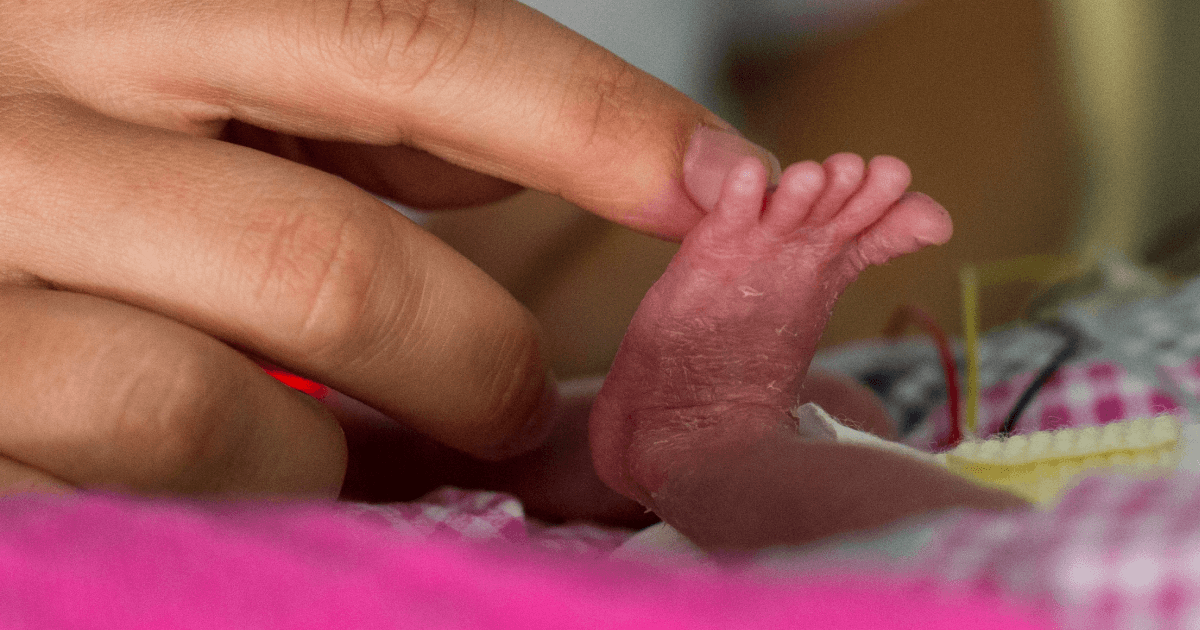 Newsroom
Baby born at 25 weeks reunites with neonatologist two years after leaving hospital
The Catholic Herald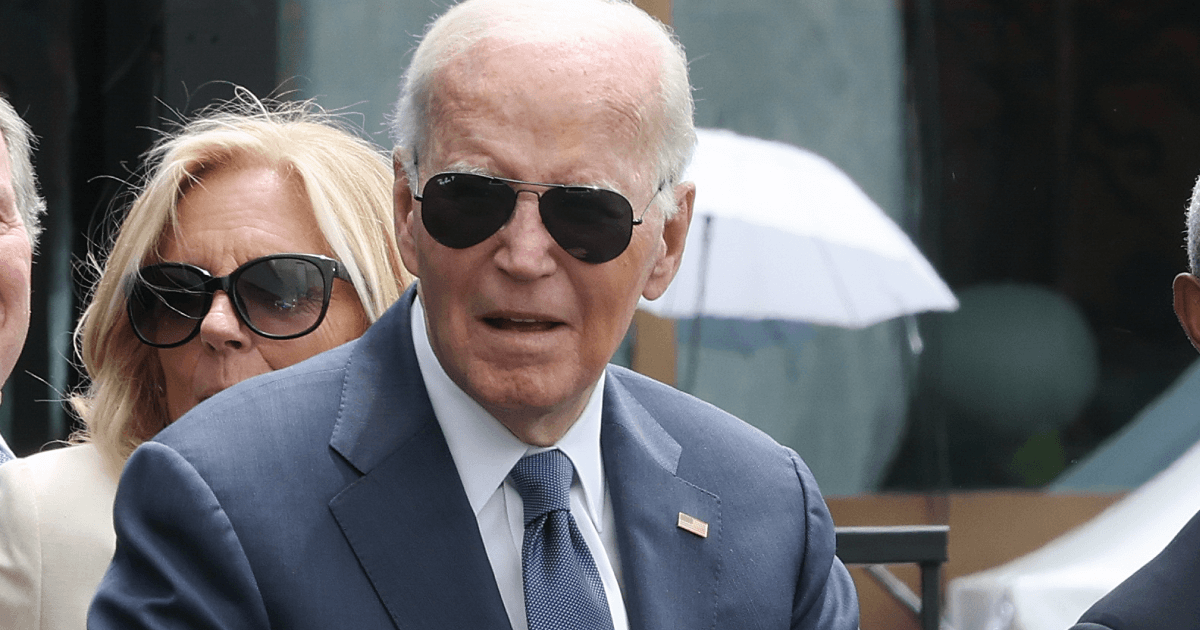 Newsroom
Joe Biden honoured by Planned Parenthood after defending abortion rights
Christine Rousselle
subscribe to the catholic herald today
Our best content is exclusively available to our subscribers. Subscribe today and gain instant access to expert analysis, in-depth articles, and thought-provoking insights—anytime, anywhere. Don’t miss out on the conversations that matter most.
Subscribe



