


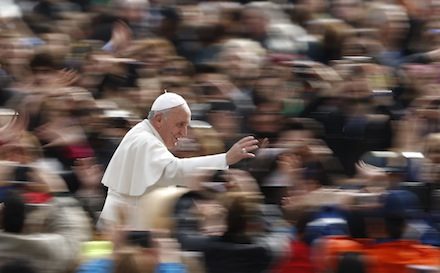
There are two ways of interpreting the character of Pope Francis. One is to imagine that he is the sort of person who loves talking off the cuff and thinking aloud. The other is to realise that he is someone who speaks in a seemingly spontaneous manner, turning out well-crafted and well-aimed sentences to get people thinking, designed to restructure the way people think and speak about various controversial topics. It is the second interpretation that I incline towards. Take that famous “If a person is gay and seeks God and has good will, who am I to judge him?” on the aeroplane back from Rio. It seemed so artless, but through this one sentence the Pope has reframed the debate about homosexuality. He has placed the homosexual condition within the larger framework of the human condition, as one of many challenges people might encounter in their search to get closer to God. At a stroke he has demolished the world’s idea that this question is the question of all questions, showing that this question is, in fact, relative, like every other question, to the real ultimate question – how to grow in holiness. The Pope’s seemingly casual pronouncement was revolutionary: getting people to look at the homosexual condition through the prism of seeking God and having good will. Now the Pope has done something similar once more, touching on the question of Humanae Vitae. In an interview with an Italian newspaper, the Pope is reported as saying the following:
2:19 PM
Pope Francis, please write a new encyclical on contraception
I bet Francis is going to develop Church teaching on birth control at some point in his pontificate
Fr Alexander Lucie-Smith

4 min read



Already a subscriber? Sign in
5freearticles every month
Continue reading with a free account. No card needed.
- Five free articles every thirty days, on any device you sign in on
- The Catholic Herald newsletter, every morning
- Subscribe whenever you like for everything: every article and the magazine
Related articles
 Newsroom
Church leaders urge Drumcree dialogue: ‘Too much is at stake’
The Catholic and Church of Ireland Archbishops of Armagh have urged a renewed commitment to peace and reconciliation amid the Drumcree stand-off
Corrie Douglas-Young Newsroom
Thousands of Irish children to join global Rosary campaign
Corrie Douglas-Young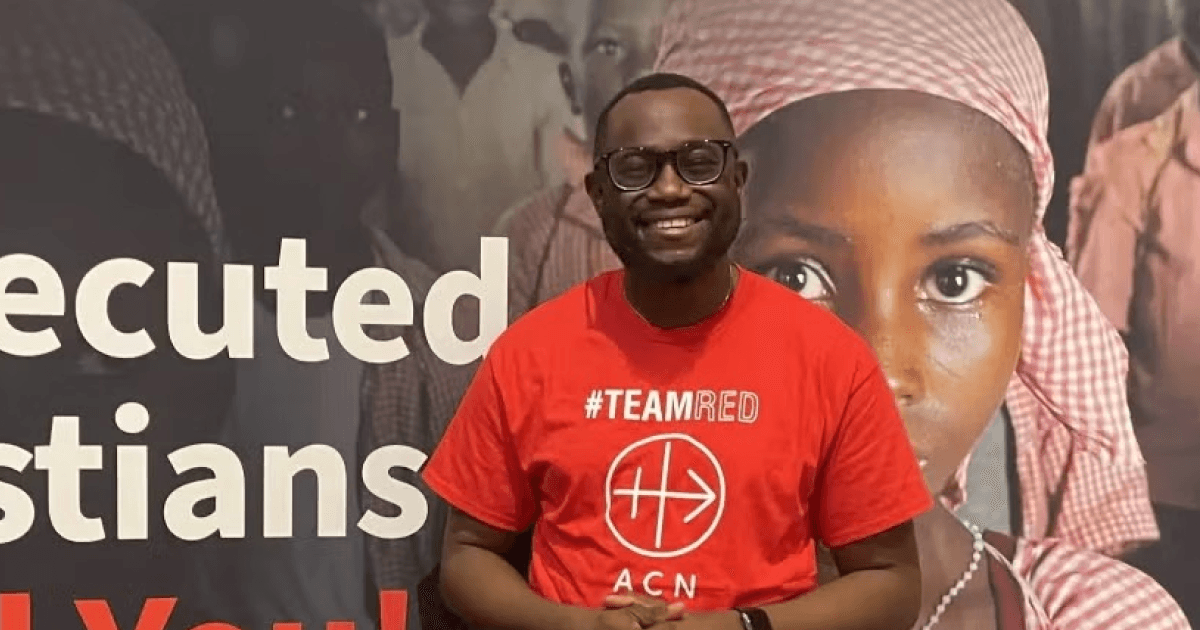 Newsroom
TikTok priest urges young people to stand with persecuted Christians
Nathalie Raffray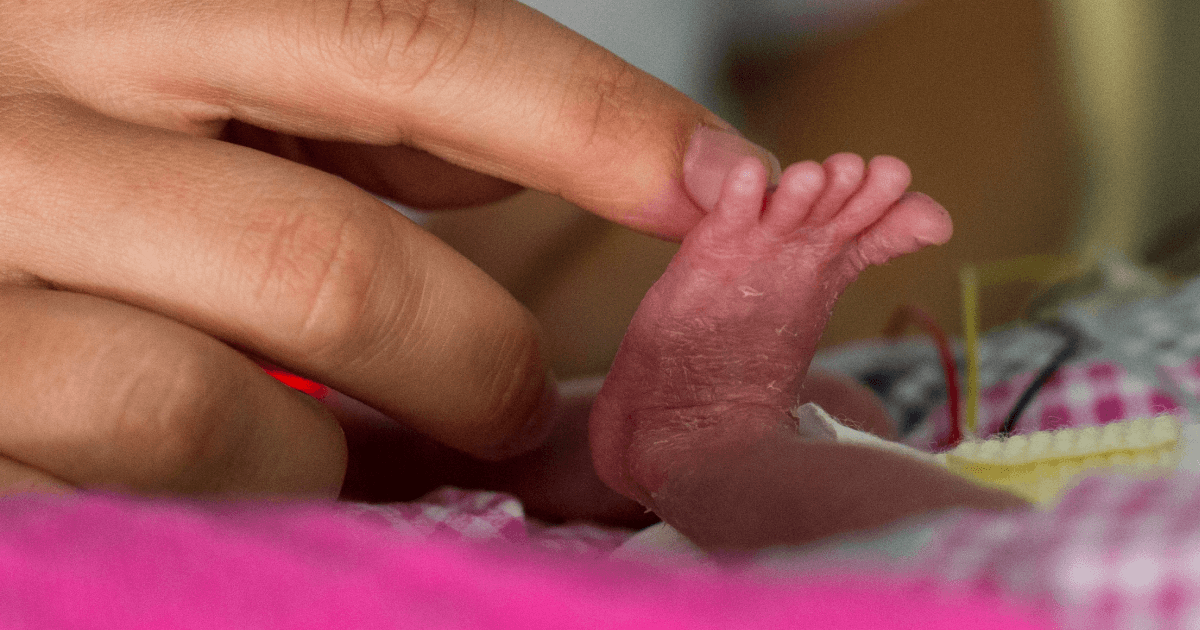 Newsroom
Baby born at 25 weeks reunites with neonatologist two years after leaving hospital
The Catholic Herald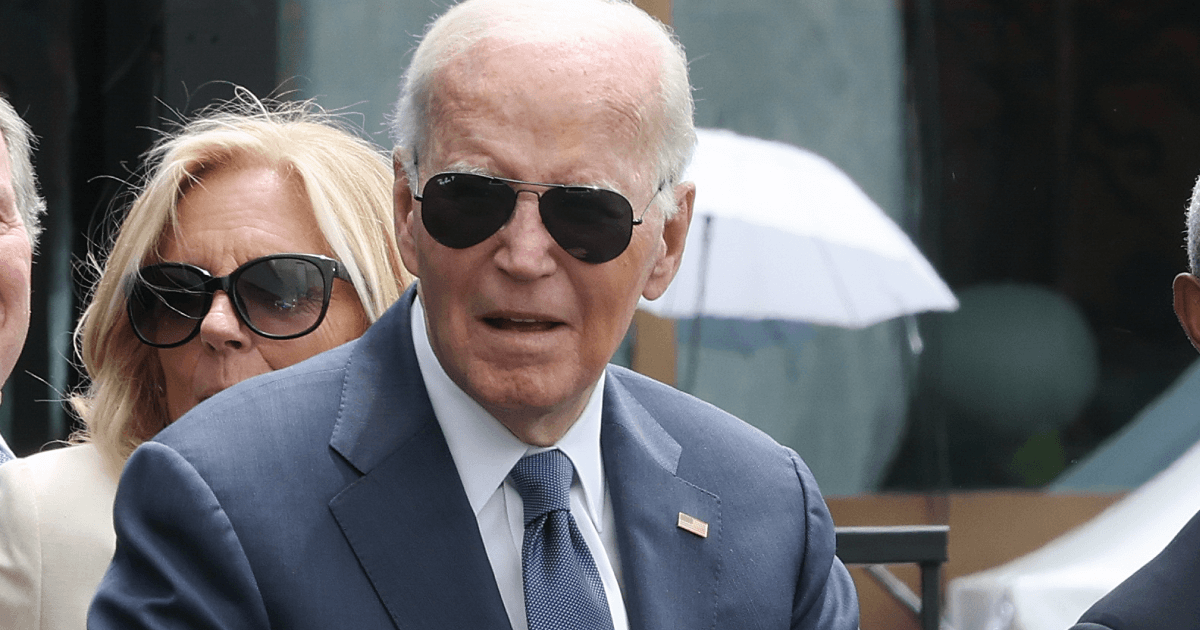 Newsroom
Joe Biden honoured by Planned Parenthood after defending abortion rights
Christine Rousselle
subscribe to the catholic herald today
Our best content is exclusively available to our subscribers. Subscribe today and gain instant access to expert analysis, in-depth articles, and thought-provoking insights—anytime, anywhere. Don’t miss out on the conversations that matter most.
Subscribe



