

Pope Leo XIV has urged the Catholic Church in Italy to strengthen its protection of children and vulnerable adults, telling bishops gathered for a national safeguarding meeting on April 16, 2026, that the presence of the most vulnerable “challenges the conscience of the Church” and demands renewed commitment as a matter of priority.
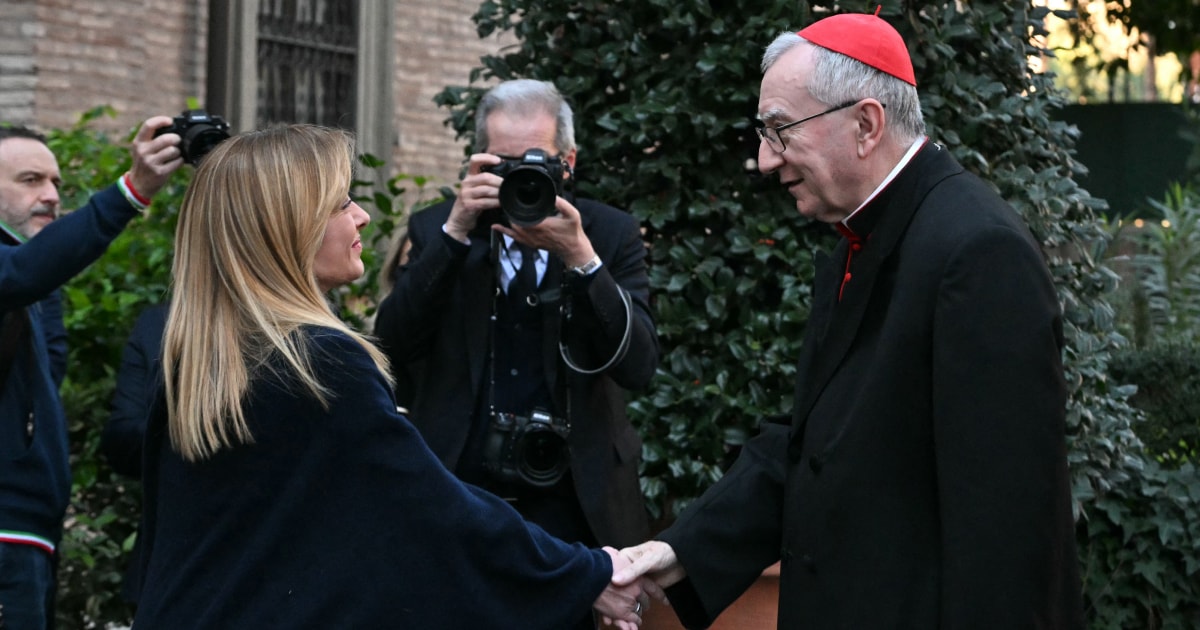
The Holy Father delivered the message to participants at a national conference on safeguarding organised by the Italian bishops’ conference, emphasising the moral and pastoral responsibility of Catholic communities to protect minors and respond to abuse with transparency and compassion. The message, reported by Vatican News, was formally signed and delivered by Cardinal Pietro Parolin.
Cardinal Parolin conveyed the Pope’s insistence that safeguarding must be understood not simply as compliance with regulations but as a deeper expression of Christian charity and responsibility. The letter addressed the Second National Meeting of Local Representatives for the Protection of Minors and Vulnerable Adults, a gathering intended to strengthen safeguarding practices across dioceses in Italy.
In his message, Pope Leo warned that failures in respect and accountability can damage the life of the Church and harm those entrusted to its care. “When every person is recognised in their dignity and safeguarded in their freedom, parishes, associations and movements are reliable and capable of accompanying, educating and protecting,” he said. Conversely, he added, “where respect is lacking, relationships become impoverished, distorted and may cause serious harm.”
The Pope stressed that safeguarding must become part of the culture of Catholic institutions rather than a mere administrative obligation. Protection, he said, “cannot be understood merely as a set of rules to apply or procedures to follow”, but requires wisdom that shapes leadership, education, vigilance and transparency within Church communities.
Cardinal Matteo Zuppi, president of the Italian bishops’ conference, has in recent years overseen efforts to coordinate safeguarding initiatives nationwide, as the Church pursues a broader commitment to strengthen prevention and accountability.
Pope Leo’s message placed particular emphasis on the pastoral duty owed to survivors of abuse. He acknowledged that those who have suffered carry wounds that require sustained care and justice. “Their wounds call for sincere proximity, humble listening, and perseverance in seeking what is right and possible for repair,” he said.
The Holy Father further urged Church leaders to confront wrongdoing openly rather than defensively. A Christian community, he wrote, demonstrates authentic conversion “when it does not shield itself from the pain of those who have suffered, but allows itself to be questioned by it; when it does not minimize evil, but acknowledges it; when it does not close in fear of scandal, but accepts the demanding paths of truth, justice, and healing.”
The conference in Italy included training sessions, coordination meetings and presentations aimed at strengthening safeguarding standards across diocesan structures. Organisers described the gathering as an opportunity to build what the Pope called a “culture of prevention”, rooted in evangelical care and vigilance.
Concluding his message, Pope Leo encouraged those working in safeguarding ministries to continue their efforts with confidence, expressing hope that Catholic communities throughout Italy will grow into places “in which the most fragile are welcomed, protected, and loved.”
Leo’s renewed focus on safeguarding follows a series of major investigations and reforms in several countries over the past two decades. In Ireland, government commissions in the 2000s documented widespread abuse in Church-run institutions, leading to new safeguarding frameworks and compensation programmes. In Belgium, a national inquiry published in 2010 recorded hundreds of complaints spanning several decades and prompted resignations among senior clergy. In Canada, inquiries into residential schools identified thousands of cases of abuse and neglect involving Indigenous children, resulting in formal apologies and ongoing reconciliation processes.
The issue also shaped public scrutiny of Church leadership during the late 20th and early 21st centuries. The pontificates of Pope St John Paul II and Pope Emeritus Benedict XVI were marked by the emergence of abuse scandals in multiple regions and criticism over failures by Church authorities to act decisively. Benedict XVI resigned in 2013 citing declining strength, although the abuse crisis formed part of the wider scrutiny surrounding his pontificate.
In Poland, debate over John Paul II’s legacy has intensified in recent years, including renewed scrutiny following the Vatican’s report on Theodore McCarrick.
Church officials said the safeguarding meeting in Italy was intended to reinforce prevention, reporting and pastoral care practices across dioceses, as Catholic institutions continue to develop policies designed to protect minors and vulnerable adults and to respond to allegations of abuse in accordance with both civil and canon law.


.jpg)
.jpg)